The Challenge of Drying Carbon-Based Resins
Why Precise Temperature Control Matters in Resin Processing
Carbon-based resins are sensitive to temperature during processing. If temperatures are poorly managed during processing, the chemical structure risks denaturation. Proper heating is designed to trigger necessary reactions, which requires adjustable drying temperatures. When the thermal exposure is uniformly controlled, it supports the transition from a liquid material to a solid state while helping to reduce the risk of material degradation.
Common Bottlenecks in Traditional Resin Drying Methods
Traditional static drying methods often require 10 to 20 hours to process materials, leading to prolonged thermal exposure. When utilizing traditional vacuum ovens, operators must spread the paste on trays manually. This batch-type operation can lead to uneven drying because the exposed upper surface generally dries faster than the material beneath it. Carbon-based resins require a controlled reaction period before the drying process is completed. In an oven, the material layer cannot be spread too thick, as the resin may expand during the reaction and overflow from the tray, while excessive layer thickness can also result in an uneven reaction. Spray drying presents a different challenge: the residence time can be too short, causing the material to dry before the resin reaction is fully completed. To address these process requirements, the Minjie Vacuum Belt Dryer for Liquid & Paste uses continuous conveying and multi-section adjustable temperature control to provide a controlled reaction stage before subsequent drying and cooling.
Minjie Vacuum Belt Dryer Solution for Carbon-Based Resin
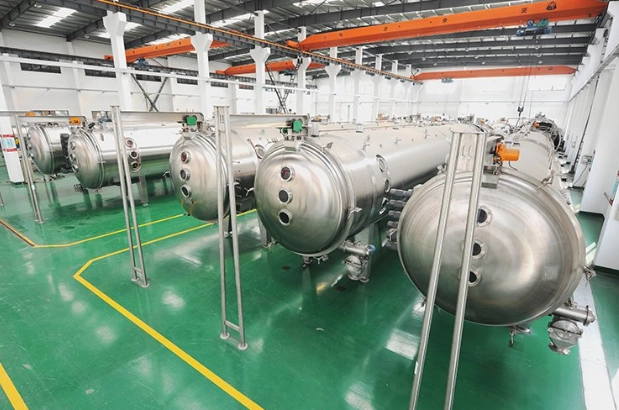
The vacuum belt dryer for liquid and paste utilizes a segmented heating and temperature gradient design to manage the drying process. The front high-temperature zone is specifically set to enable a full resin reaction. Then, the rear cooling sections lower the material temperature to deliver complete drying, making the stabilized product suitable for cutting, crushing, and discharging.
Video Case Observation: Actual Carbon-Based Resin Drying Process
Material Input and Initial State
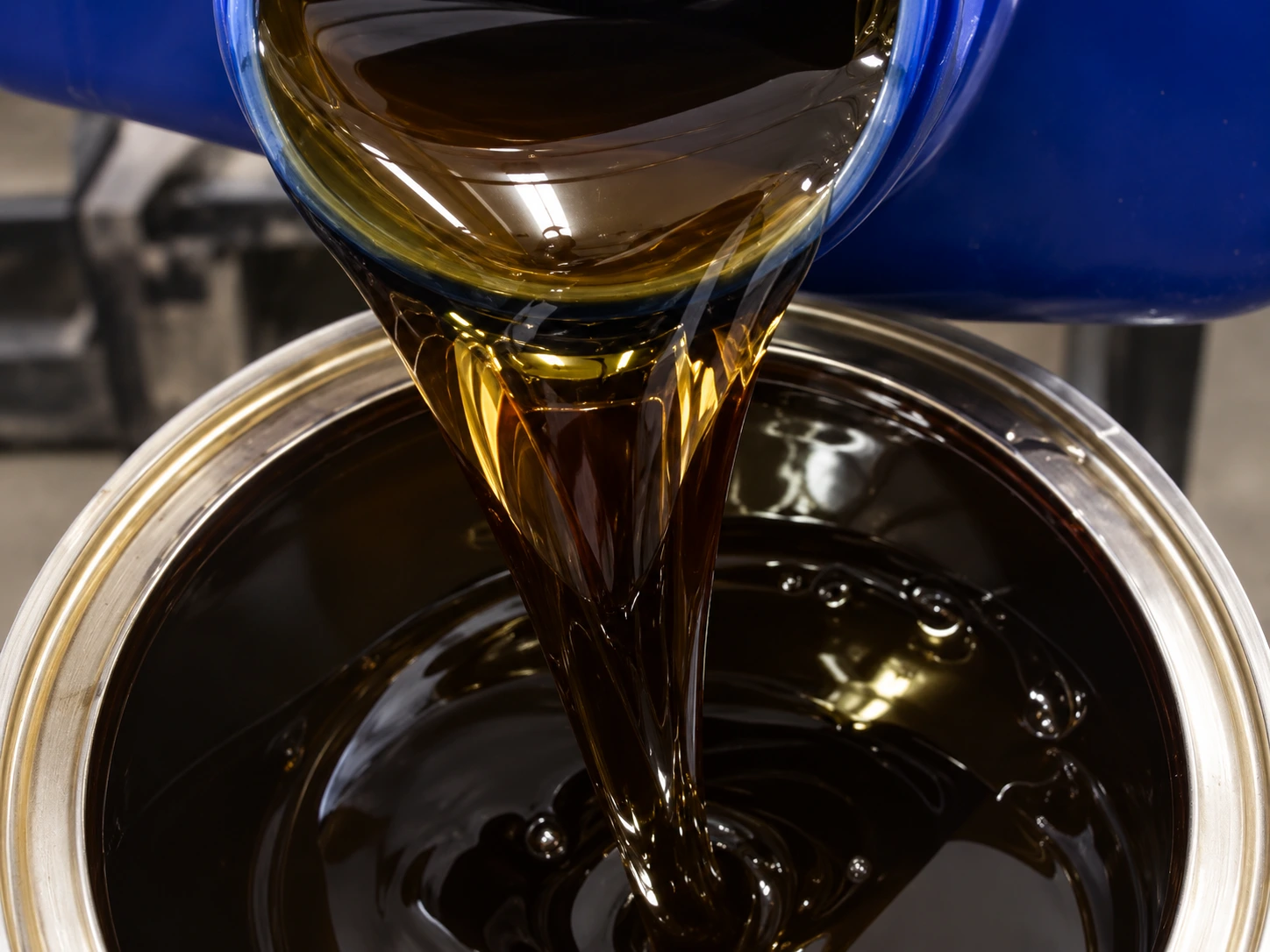
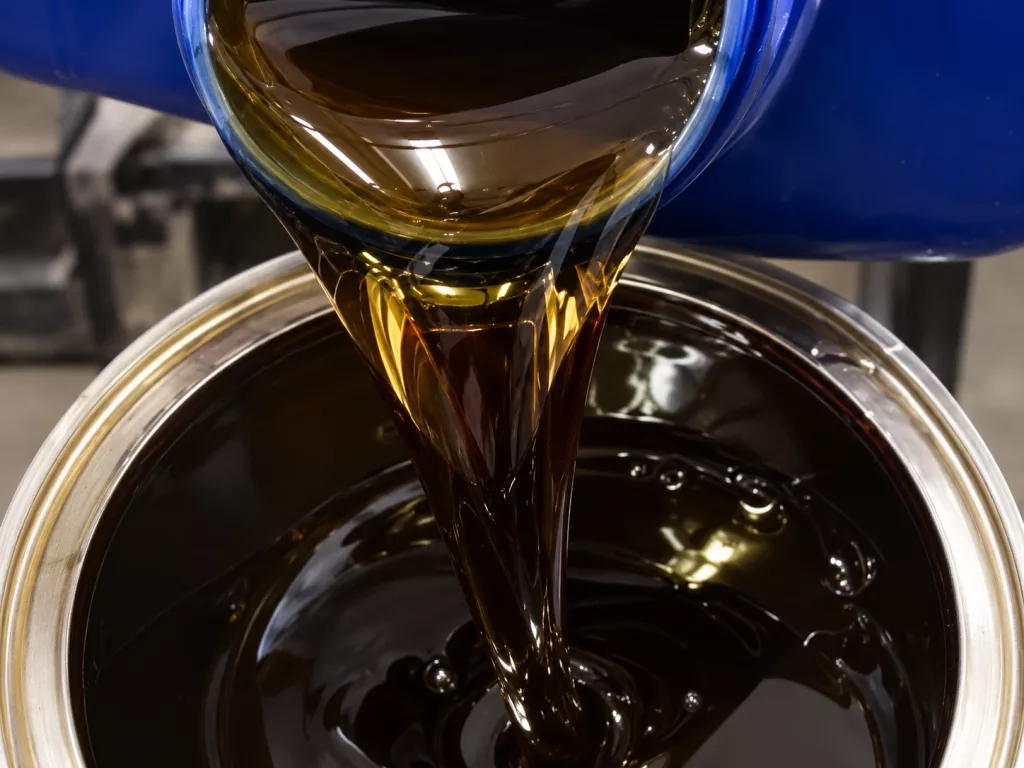
In the recorded test, the carbon-based resin begins as a dark, highly viscous liquid that is poured and fed into the vacuum belt dryer. Instead of manual tray loading, the dark fluid is evenly spread onto the moving conveyor belts, ready to pass through the segmented heating zones.
Observed Changes and Final Dried Output
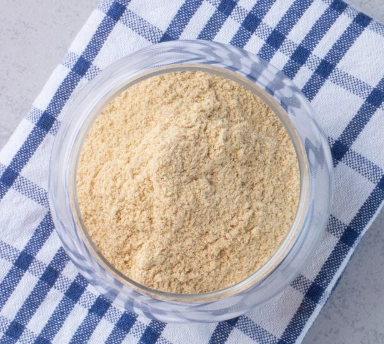
As the resin enters the front high-temperature zone, the heat enables a full resin reaction, visible as the material bubbles and foams on the belt. After the reaction is complete, it passes through the rear cooling sections, which deliver complete drying. At the discharge end, the dried carbon-based resin—now transformed into a reddish-pink solid—is collected in a transparent vessel and crushed into fine granules, demonstrating the system’s ability to handle complex chemical reactions and drying in a single continuous pass.
Value for Chemical and Material Manufacturers
Streamlining Reaction and Drying in One System
Combining chemical reactions and drying into a pipelined, automated process helps reduce operating costs and factory space requirements. The vacuum belt dryer is designed to sustain continuous operation while managing complex liquid materials, integrating these steps to improve overall processing efficiency.
Requesting a Custom Test for Your Chemical Materials
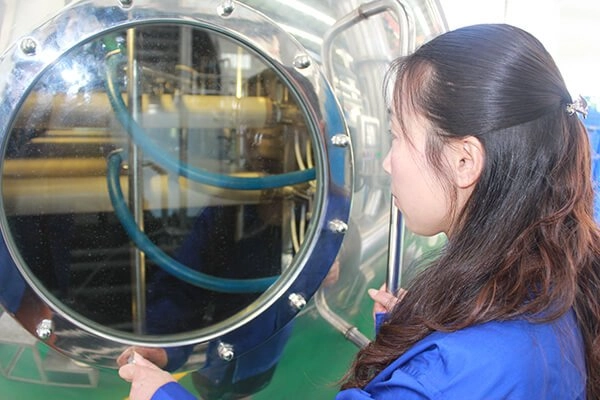
Minjie offers a low-temperature drying test platform where clients can conduct actual material testing. Every year, more than 500 companies visit the laboratory center for investigation and pilot testing. Manufacturers can send their liquid or paste chemical samples to verify if the material can be successfully dried into powder under specific temperature and vacuum conditions. The test helps you determine the target moisture content, optimal drying time, and the overall feasibility of the continuous drying solution for your chemical materials.
Frequently Asked Questions
Q: Is a Avacuum belt dryer suitable for highly viscous liquid resins?
A: Yes. The vacuum belt dryer for liquid and paste is designed to process materials with high viscosity and heat-sensitive characteristics.
Q: How does the multi-stage temperature control work for carbon-based resin drying?
A: The equipment features a temperature gradient design. The front sections utilize higher temperatures to accelerate moisture evaporation and facilitate the reaction, while a final cooling zone lowers the temperature to deliver complete drying.
Q: Will the front high-temperature zone affect the chemical quality of the resin?
A: No. The high vacuum environment significantly lowers the boiling point of liquids, allowing moisture and solvents to evaporate at lower actual temperatures. This design is suitable for heat-sensitive materials and helps reduce the risk of denaturation or active ingredient degradation.
Q: Can similar chemical or carbon-based materials be tested before implementation?
A: Minjie provides a laboratory test center where clients can send liquid and paste samples for evaluation. This testing process validates parameters such as evaporation capacity, target moisture content, and final product quality, and you can determine if the continuous drying process is feasible for the specific material.