The Challenge: Heat Sensitivity in Instant Tea Powder Production
Why High Temperatures Damage Plant Extracts
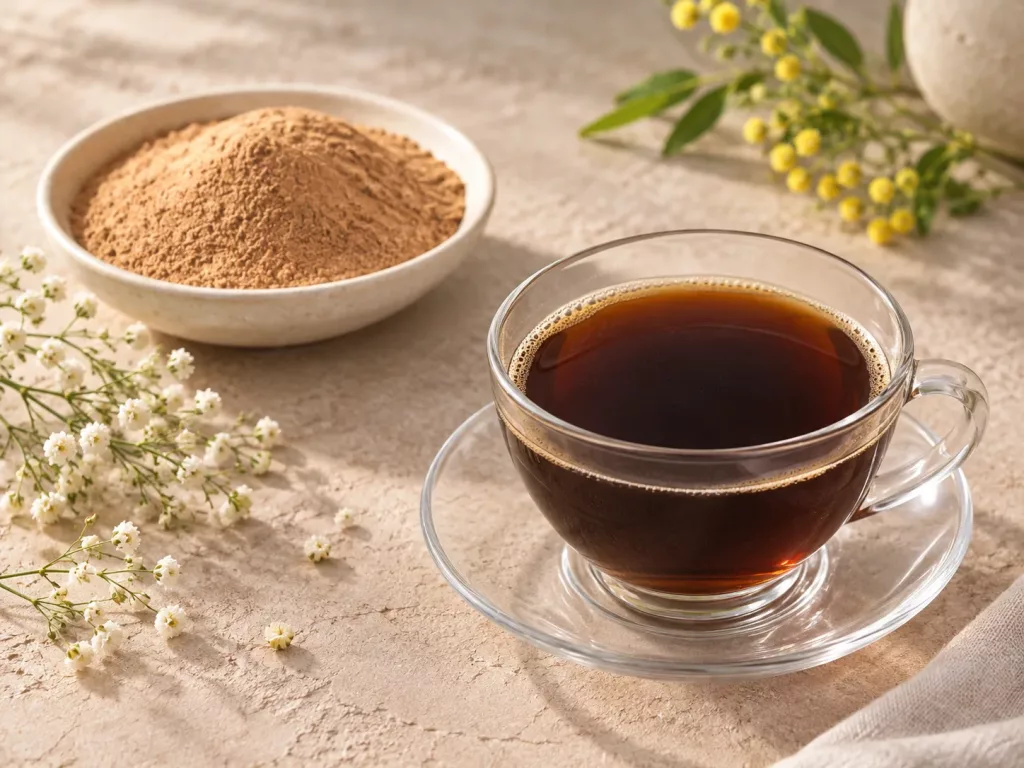
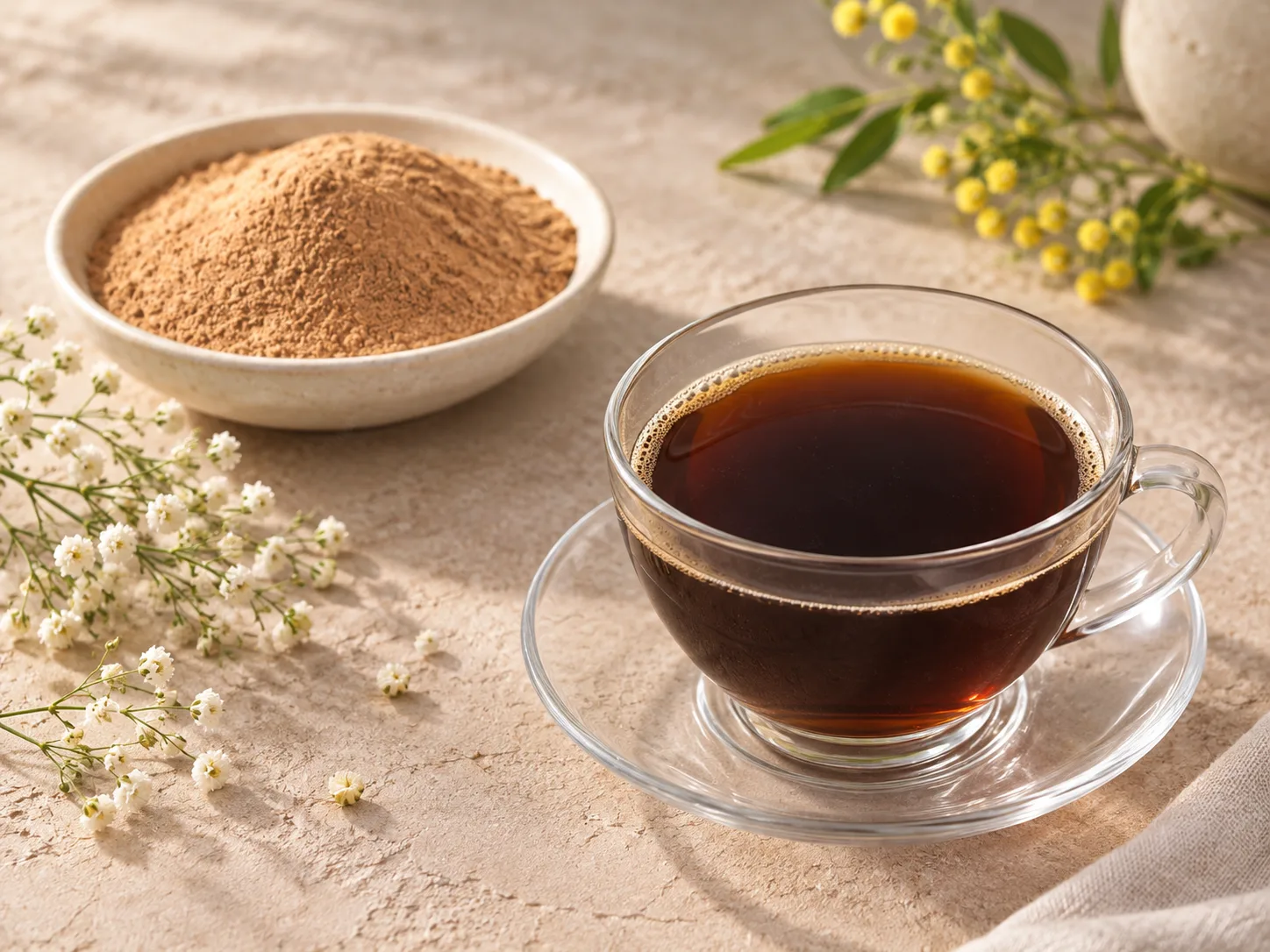
Tea powder is rich in tea polyphenols and various flavor compounds. Under traditional high-temperature drying conditions, these active ingredients are prone to severe degradation. Exposing it to elevated heat often leads to component loss and the formation of scorched particles. Liquid tea extracts, along with many biological products and health foods, are generally heat-sensitive. If the evaporation process operates at excessively high temperatures, the internal structures of these sensitive botanical materials may break down, reducing the overall product grade.
The Impact on Flavor and Solubility
Flavor and solubility directly influence the final consumer experience of instant beverages. High temperatures during moisture removal cause deteriorated taste and result in poor solubility. Maintaining a controlled thermal environment is therefore essential to help reduce degradation risks in heat-sensitive food additives.
Video Case: Drying Liquid Tea Extract with Minjie Equipment
The Role of the Minjie Vacuum Belt Dryer
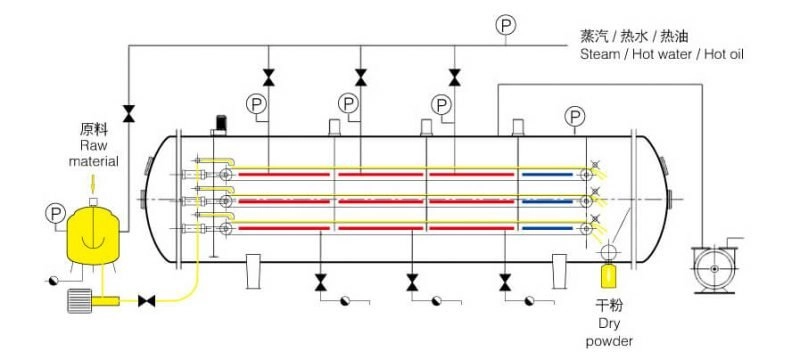
Huang and Zhang review production methods for instant tea powders in their chapter on tea and coffee powders [1]. In our recent video demonstration, we focused on the drying stage, using our Vacuum Belt Dryer System for Liquid & Paste to process liquid tea extract. This continuous vacuum belt dryer supports both infeed and discharge. A feed pump conveys the liquid material into the dryer body, where a distribution device spreads it evenly onto moving belts. The vacuum drying principle relies on reduced pressure to lower the boiling point of water, allowing moisture to evaporate as the belts move over heating plates. The temperature profile can be adjusted to suit the material being processed.
To highlight how this industrial drying equipment differs from conventional dryers when processing liquid tea extract, we can compare specific operating parameters:
- Minjie Machinery’s equipment allows for adjustable drying temperatures ranging from 30℃ to 300℃, with a drying time of 30 to 60 minutes.
- Traditional vacuum ovens require a batch operation with manual tray loading, which may lead to uneven heating and longer drying times of 10 to 20 hours.
- Spray drying systems are more suitable for low-viscosity materials and operate at higher temperatures, whereas our vacuum system accommodates high-viscosity and thermoplastic materials.
Preserving Tea Polyphenols and Flavor
After the low temperature drying, the instant tea powder successfully retains its active ingredients and natural flavor components. During vacuum belt drying, a temperature gradient is applied, with the temperature decreasing throughout the process to prevent overheating. This automated control is designed to maintain the color and ingredient preservation of the dry product.
Achieving Loose Powder with Excellent Solubility
The final product emerges as a loose powder with excellent solubility, meeting the physical quality requirements for instant drinks. At the discharge end, a special vacuum crusher is equipped to produce different size end products. Since the moisture is removed under vacuum conditions, the dried granules form porous internal structures, which support good instant solubility.
Is Your Plant Extract Suitable for Low-Temperature Drying?
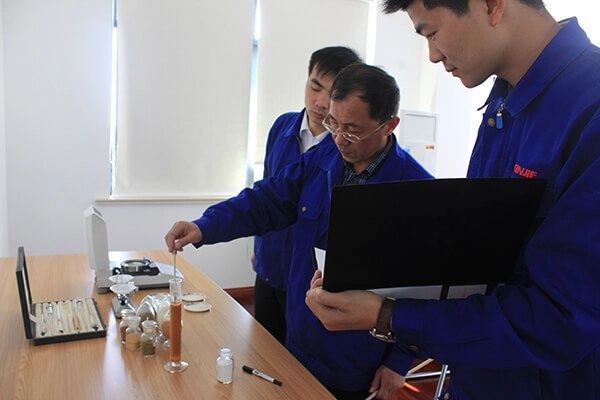
This demonstration offers reference value for clients dealing with thermal degradation issues in plant extracts. We encourage users to test their own liquid tea extracts or similar heat-sensitive materials on our low-temperature drying platforms to evaluate continuous manufacturing feasibility and final product quality.
Frequently Asked Questions
Q: Can a vacuum belt dryer improve the solubility of other plant extracts?
A: The full low-temperature process is highly applicable to a wide range of plant extracts facing similar thermal degradation and solubility issues. Processing these extracts in a vacuum state from feeding to granulation protects the structural integrity, resulting in a porous final structure that dissolves easily.
Q: How does the Minjie vacuum belt dryer prevent scorched particles?
A: Drying under a vacuum lowers the boiling point of water, effectively avoiding the high-temperature conditions that cause scorching. By controlling the temperature gradient, we apply higher heat during the initial evaporation phase and lower the temperature as the moisture content decreases. This staged heating method prevents the extracts from overheating and sticking to the belts.
Q: Will low temperature vacuum drying process retain the natural flavor of my instant beverage product?
A: The low-temperature environment significantly minimizes the loss of volatile flavor compounds compared to traditional methods. Because our system is completely enclosed, it reduces the material’s contact with external air, which lowers the risk of oxidation and helps preserve the original aroma, color, and taste of the liquid ingredients.
Q: Can I test my own liquid extract with Minjie’s drying equipment?
A: We invite you to arrange a material test in our laboratory to verify the drying effect, loose powder formation, and solubility on your specific samples. Every year, more than 500 companies visit our test center for investigation and pilot testing. Our engineers will help you validate the continuous manufacturing process for your specific plant extract.
Reference:
[1] Huang, M., & Zhang, M. (2024). Tea and coffee powders. In Handbook of Food Powders (2nd ed., pp. 411–422). Elsevier. DOI: 10.1016/B978-0-323-98820-9.00003-X.