The Challenge in Processing Concentrated Botanical Extracts
Preserving Phenolic Acid in Health Supplement Raw Materials
Extracting and refining botanical elements requires careful handling of heat-sensitive components. In our experience with natural medicine extraction, conventional drying methods often involve high temperatures that present a severe risk of denaturation for sensitive compounds like phenolic acid. In a traditional vacuum oven, materials undergo long-time static drying, which can cause uneven heating. Spray drying operates at high temperatures that may damage delicate active ingredients and lead to wall-sticking issues when handling a sticky extract. When processing high-sugar or high-viscosity botanicals like Salvia miltiorrhiza, spray drying often experiences nozzle blockage and unstable drying. Excessive heat exposure may lead to the degradation of active components, reducing the overall efficacy of the health supplement raw materials. Finding a method that supports thermal sensitivity without compromising output is essential for modern herbal processing.
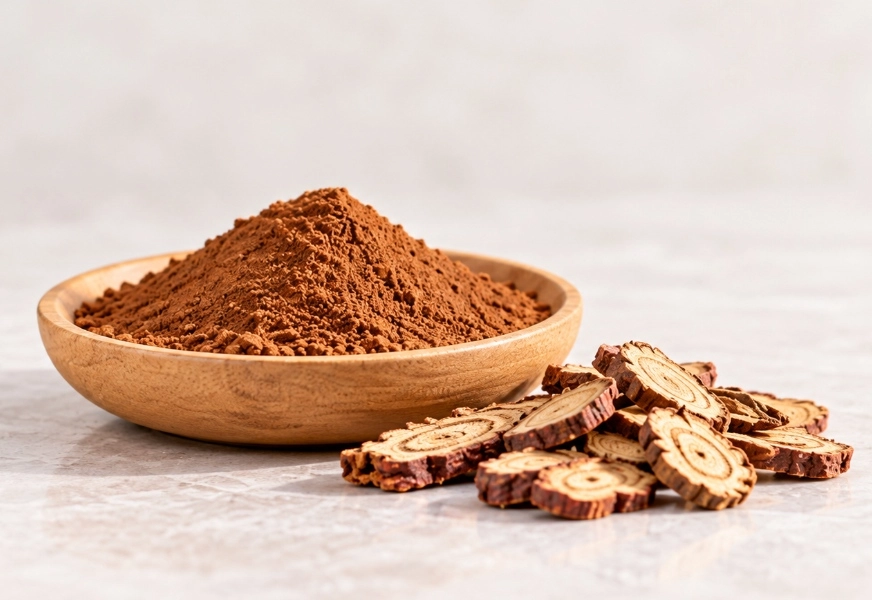
Preventing Color Deviation During Liquid and Paste Evaporation
For quality control during botanical processing, it is important to maintain consistent color. This material can undergo degradation of active components during evaporation. Oxidation and browning can occur due to the material coming into contact with oxygen and high temperatures. In addition, botanicals containing high amounts of sugar and having a very viscous consistency can suffer from scorching in areas where the temperature is not uniform. A system that processes material under low pressure in controlled conditions helps to prevent these unwanted chemical reactions from occurring and preserves the material’s visual and chemical characteristics.
A Practical Solution: Minjie Vacuum Belt Dryer for Liquid & Paste
The Role of Low Temperature Vacuum Drying
Lowering the boiling point in a vacuum allows for low-temperature evaporation, protecting sensitive compounds from heat damage. As a manufacturer of low temperature vacuum drying equipment, our Vacuum Belt Dryer for Liquid & Paste turns traditional static drying into dynamic vacuum drying. This belt dryer for paste and liquid materials is especially suitable for high-viscosity, thermoplastic, and heat-sensitive substances.
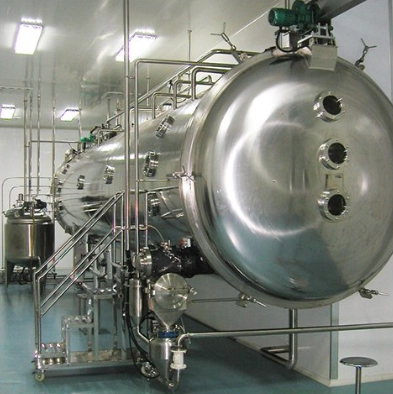
Manufacturing Danshen Extract via Vacuum Conveyor Belt Dryer
The equipment handles the physical transition of Danshen extract from a sticky paste to a dried product directly on the continuous belt. Achieving the ideal dried state requires precise parameter control. A study by Zeng et al. (2006) investigated the optimization of vacuum belt drying for Salvia miltiorrhiza extract using an orthogonal experimental design. The researchers evaluated dried-product moisture content and drying rate, identifying optimized conditions that included an initial extract moisture content of 40%, a feeding speed of 1.5 mL/s, and a belt speed of 5 cm/min. Their findings highlight the importance of adjusting feeding and conveying parameters to achieve effective moisture removal during Danshen extract drying. To support such precise operational parameters, the continuous manufacturing systems are engineered with reliable PLC automatic control.
Video Case Observation: Salvia Miltiorrhiza Extract Drying
Confirmed Results from the Continuous Vacuum Belt Dryer
The video case observations of our continuous vacuum belt dryer processing Salvia miltiorrhiza extract visually confirmed consistent, even drying. The footage demonstrated zero color deviation, indicating that the low-temperature vacuum environment effectively protected phenolic acid components against denaturation. Under validated process conditions, the temperature decreases as the product moves through the cooling section. A special vacuum crusher is equipped at the discharge end to produce different size end products. The dry powder or granule product can then automatically proceed to subsequent continuous manufacturing stages or be packed directly. Because the belt vacuum dryer has a high vacuum degree inside, the dried granules have micropores inside, which provides good instant solubility.
Real-World Value for Botanical Extract Manufacturers
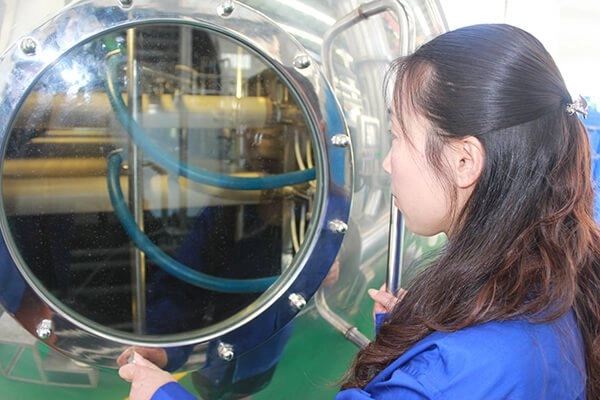
This practical value extends to similar businesses looking for reliable continuous manufacturing techniques for health supplement raw materials. To ensure optimal drying results for your specific botanical extracts, we invite you to our laboratory for a free pilot test. Testing your own raw materials on our equipment is the best way to define the exact operational parameters needed for your product.
Frequently Asked Questions
Q: Is the continuous vacuum belt dryer suitable for other heat-sensitive health supplement raw materials?
A: Yes, it is ideal for concentrated botanical extracts and pastes that require low temperature vacuum drying to preserve active ingredients.
Q: How does low temperature vacuum drying protect phenolic acid components against denaturation?
A: By operating in a vacuum environment, the boiling point is lowered, preventing excessive heat exposure and oxidation during the drying process.
Q: Can this vacuum conveyor belt dryer handle both liquid and high-viscosity paste extracts?
A: Yes. The equipment features a specialized infeed pump and distribution device that can continuously and evenly spread both liquids and highly viscous pastes onto the moving belts inside the vacuum chamber.
Q: Can we test our own concentrated botanical extracts before full-scale implementation?
A: Yes, you can consult with Minjie Machinery to arrange sample testing and verify the drying results for your specific material.