The Challenge of Drying Heat-Sensitive Fruit Juice Concentrates
Why Traditional High-Heat Drying Fails for Apple Juice
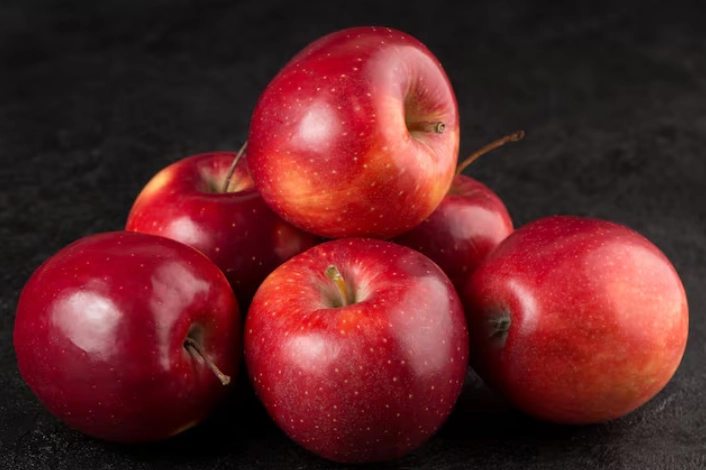
Traditional thermal methods present significant engineering challenges when handling heat-sensitive fruit juice concentrates. For example, spray dryers work at sudden temperatures. These temperatures can easily hit 180 to 200℃. It exposes heat-sensitive materials to this high heat causes many issues. It often ruins the natural color. It changes the taste. It also destroys important vitamins. Vacuum drying ovens need a lot of time. They usually take 10 to 20 hours to finish just one drying cycle. Staying in this heat for so long under static conditions harms the product. It can easily damage heat-sensitive ingredients.
The Need for Continuous Manufacturing of Viscous Liquids
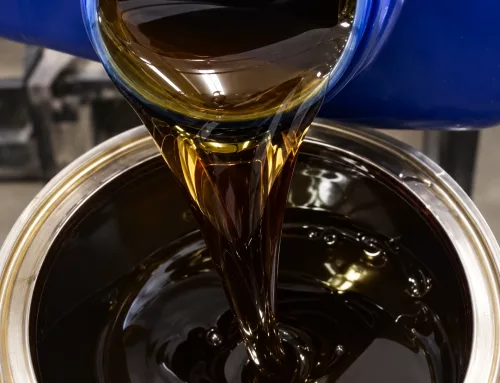
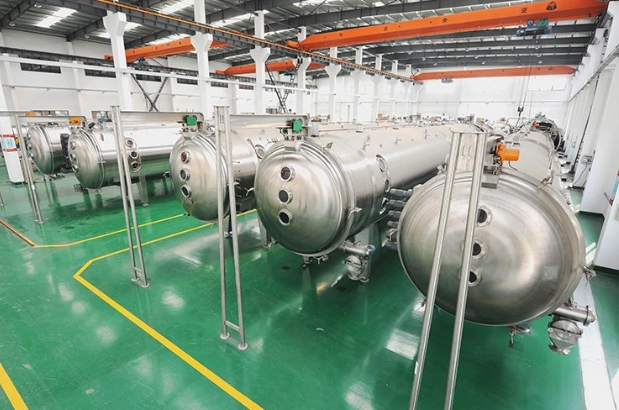
Handling viscous liquids like concentrated fruit juices often creates a production bottleneck due to poor material fluidity. Maltini et al. (1992) found that structural collapse during vacuum belt drying was mainly associated with the consistency of the soluble serum fraction rather than the pulp content. Their study demonstrated the successful drying of appropriately conditioned apple, pear, apricot, and peach concentrates without added carrier materials. To address these fluid dynamic challenges, Minjie Machinery developed the Vacuum Belt Dryer For Liquid & Paste, which is designed to process materials with high viscosity, easy agglomeration, or thermoplastic characteristics.
Video Case: Concentrated Red Apple Juice Processing
Sample Characteristics and Processing Goals
Red apple juice concentrate is characterized as a viscous, heat-sensitive liquid with high sugar content. Our primary engineering goal in this processing test is to remove moisture while retaining its fresh flavor, natural nutrients, and vibrant red color. This requires a negative-pressure environment that lowers the boiling point to mitigate thermal oxidation.
Minjie Vacuum Belt Dryer in Action
During this specific dehydration test, we utilized our Vacuum Belt Dryer For Liquid & Paste. To address the severe viscosity and high sugar content of the red apple juice concentrate, this equipment turns traditional static drying into vacuum dynamic drying. Instead of relying on manual tray loading, the PLC automatic control system manages the continuous processing, helping reduce the dehydration time from 10-20 hours down to 30-60 minutes.
Confirmed Processing Steps and Observations
Continuous Liquid Feeding onto the Belt
As observed in the test, the viscous red liquid is quantitatively delivered by the feed pump and evenly spread onto the moving conveyor belts through specific distribution nozzles, forming distinct, continuous liquid tracks. This automated continuous feed mechanism accommodates the high-viscosity and high-sugar nature of the apple concentrate. By distributing the liquid evenly without manual intervention, the process requires only 1 to 2 operators on site, maintaining strict hygiene for the food-grade sample.
The Transformation into a Dried Layer
As the belts move evenly over the heating plates, the red apple juice tracks gradually transform into a continuous dried solid layer. To preserve the thermosensitive nutrients and the vibrant red color, the adjustable heating temperature (ranging from 30 to 300℃) is set to decrease gradually across the process sections. This temperature gradient prevents over-drying and coking of the high-sugar layer. After passing through the cooling section, the cooled red apple solid layer becomes crisp, making it suitable for the special vacuum crusher at the discharge end. The crusher breaks the dried layer to produce the required size of end products for automatic packaging.
Value for Food and Beverage Processors
Preserving Color and Nutrients in a Thermosensitive Material Dryer
Research on apple-derived materials suggests that vacuum belt drying can help maintain selected quality attributes. Yan and Kerr (2013) reported that apple pomace dried at 80℃ and 95℃ had total phenolic contents comparable to those of freeze-dried samples. At 80℃, the vacuum-belt-dried samples also showed similar measured color values, highlighting the potential of this drying method for quality-sensitive apple-based materials.
Scaling Up with a Belt Dryer Machine
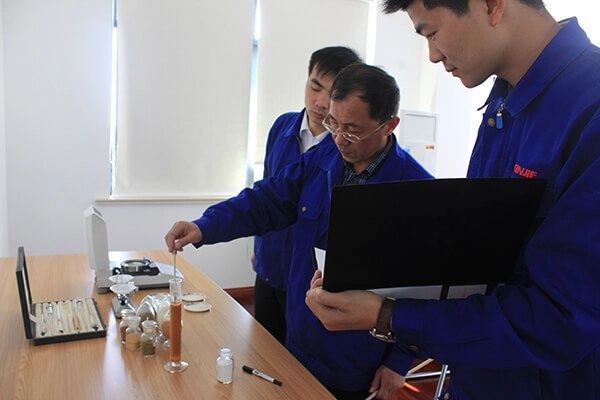
For food and beverage processors dealing with similar viscous or thermosensitive concentrates, scaling up to continuous manufacturing requires precise capacity matching. If you are looking to process similar fruit juice concentrates or paste samples, please contact our team to discuss customized continuous drying solutions.
FAQ
Q: Can a continuous vacuum belt dryer handle highly viscous fruit juice concentrates?
A: Yes, it is designed to distribute and dry high-viscosity, high-sugar liquids and pastes continuously without clogging.
Q: How does vacuum belt drying keep the red apple juice fresh and healthy?
A: By operating under a high vacuum, it lowers the boiling point of the liquid, allowing the juice to evaporate and dry at low temperatures to help protect vitamins and natural color.
Q: Is this vacuum dryer machine suitable for other thermosensitive materials?
A: Absolutely, it is widely applied for traditional and western medicines, biological products, malt extracts, and other heat-sensitive food products.
Q: Can I test my own liquid sample in a belt dryer machine?
A: Yes, we set up a test platform and encourage you to consult with us to arrange a sample test for your specific liquid or paste.
References
- Maltini, E., Nani, R., & Bertolo, G. (1992). Role of serum viscosity and of pulp content in the vacuum belt drying of pure fruit juices. International Journal of Food Science & Technology, 27(5), 531–539. https://doi.org/10.1111/j.1365-2621.1992.tb01219.x
- [2] Yan, H., & Kerr, W. L. (2013). Total phenolics content, anthocyanins, and dietary fiber content of apple pomace powders produced by vacuum-belt drying. Journal of the Science of Food and Agriculture, 93(6), 1499–1504. https://doi.org/10.1002/jsfa.5925