
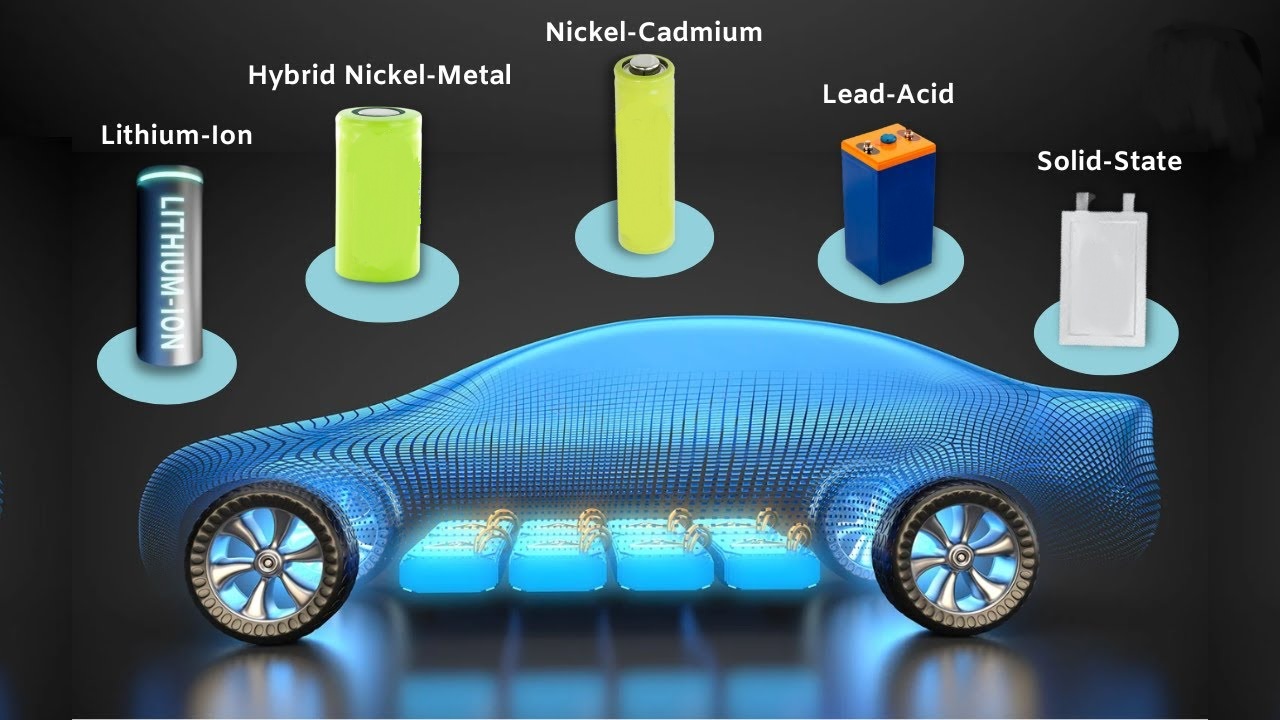
 Continuous Vacuum Belt Dryer for New Energy & Lithium Battery Materials
The global transition toward clean energy has driven unprecedented demand for high-performance battery-grade materials. Key components such as lithium salts, cathode active materials, and electrolyte additives require ultra-precise thermal processing to maintain structural integrity and chemical purity.
Traditional drying methods—such as tray/disc drying, paddle drying, drum drying, and double cone drying—frequently encounter major operational bottlenecks, including severe particle degradation, contamination from metallic foreign matter, and uneven drying quality.
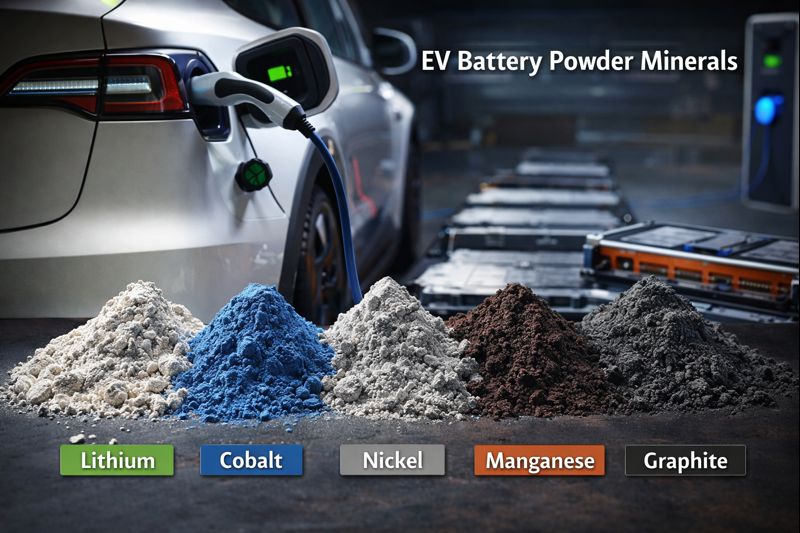 Key Applications in the New Energy Industry
More and more leading enterprises in the new energy sector rely on vacuum belt drying systems for processing high-value products:
Lithium Salts: Lithium hydroxide monohydrate, anhydrous lithium hydroxide, and lithium carbonate.
Metal Salts: Cobalt sulfate, nickel sulfate, manganese sulfate,aluminum nitrideand other battery-grade metal salts.
Electrolyte Additives: Thermally sensitive chemical additives requiring closed-loop solvent recovery.
Core Advantages of Vacuum Belt Dryer Technology
Strict Magnetic Foreign Body Control: Eliminates mechanical friction during drying to prevent metal impurity contamination in final products.
Crystal Structure Protection: Materials remain in a static bed state on the moving belt, preserving particle morphology and crystal shape.
Gradient Heat Transfer & Short Drying Cycles: Operates within a flexible temperature range (40°C to 250°C) with drying times reduced to just 60–150 minutes.
Closed-System Environment: Vacuum conditions eliminate exposure to ambient CO₂, minimizing carbonate formation and guaranteeing chemical purity.
Online Organic Solvent Recovery: Designed for clean, pollution-free continuous production with full closed-loop solvent recovery and effective CIP (Clean-in-Place) capabilities.
Frequently Asked Questions (FAQ)
Q1: Why is a vacuum belt dryer preferred over conventional tray or disc dryers for lithium battery precursors?
Traditional tray or disc dryers often cause mechanical agitation, resulting in particle breakage and risk of metallic foreign body contamination from moving parts. A vacuum belt dryer keeps the material in a relatively static bed state on a conveyer belt during vacuum drying, preserving spherical crystal morphology while guaranteeing zero metal contamination.
Q2: How does temperature control affect high-nickel ternary precursors during drying?
High-nickel ternary precursors are sensitive to high thermal stress and easy oxidation. Drying under controlled vacuum temperatures (<150°C) prevents unwanted oxidation, maintains correct crystal structure, and avoids carbon dioxide contamination that degrades raw material purity.
Q3: What is the processing duration and temperature range of the equipment?
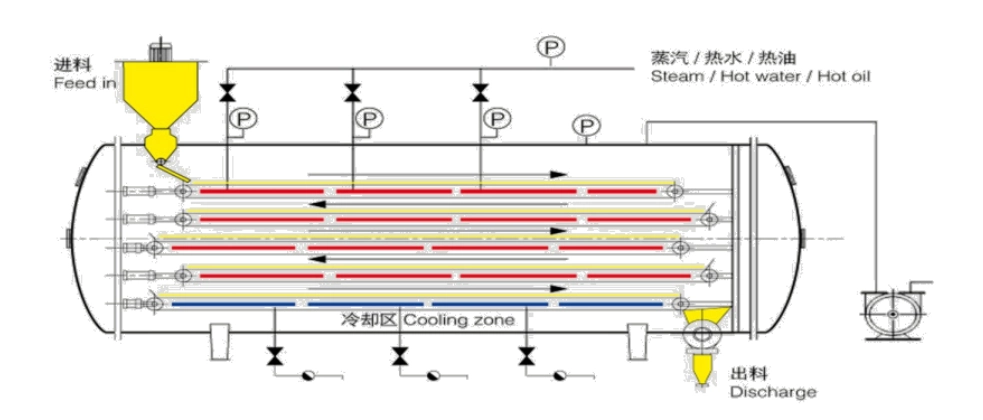
The vacuum belt dryer features gradient heating capable of fine-tuning temperatures between 40°C and 250°C. Continuous drying cycles range from 60 to 150 minutes, drastically speeding up production compared to batch drying methods.
Q4: Does the equipment support solvent recovery and clean-in-place (CIP) standard procedures?
Yes. The entire system is enclosed in a vacuum-tight chamber. It supports continuous online recovery of organic solvents and comes equipped with online CIP (Clean-in-Place) functionality to streamline batch changeovers without cross-contamination.
Upgrade Your Battery Material Production Line
Whether you are scaling up high-nickel cathode production or refining lithium salt processing, our custom-engineered Vacuum Belt Dryers deliver consistent moisture control, low energy consumption, and high product yields.
Contact our engineering team today to request a custom equipment proposal or schedule a material trial.