Why Browning and Nutrient Loss Occur in Fruit Powder
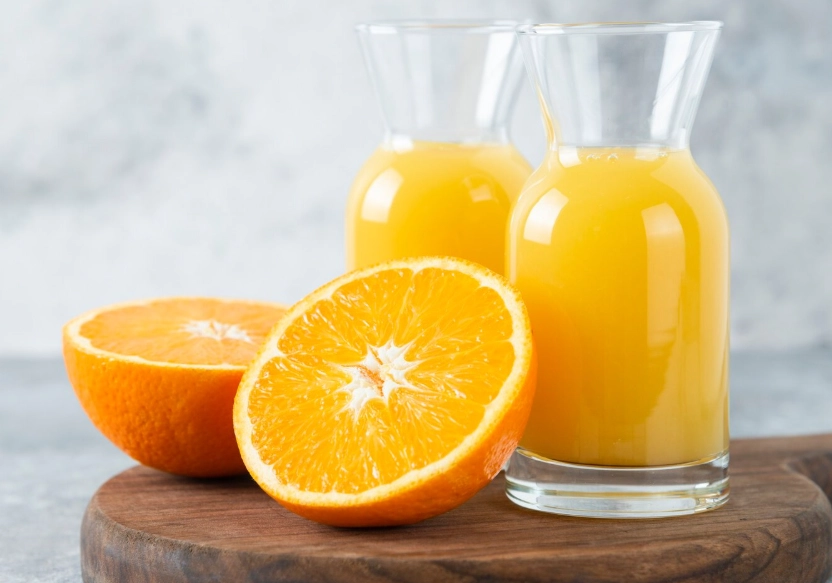
When processing heat-sensitive fruit juices into powder, traditional high-temperature methods often bring about oxidation and color changes. Machines like spray dryers use atomizing nozzles and hot air. Here, sudden heat levels can reach 180 to 200℃. In these hot settings, fruit juice items might face color shifts and taste changes. The real citrus smell and helpful parts in orange juice are quickly harmed by too much heat exposure. Also, this high-sugar material will melt and clump together, making it difficult to crush.
Preventing these issues requires a controlled thermal environment that operates below the standard atmospheric boiling point of water while maintaining continuous throughput.
How Minjie Vacuum Evaporator and Belt Dryer Make Orange Powder
To meet the dehydration requirements of heat-sensitive liquids, Minjie Machinery utilized a vacuum low-temperature evaporator and a vacuum belt dryer. These two units can be connected seamlessly for continuous production, ideal for large-scale manufacturing of fruit and vegetable powder and natural extracts.
Step 1: Low-Temperature Vacuum Concentration
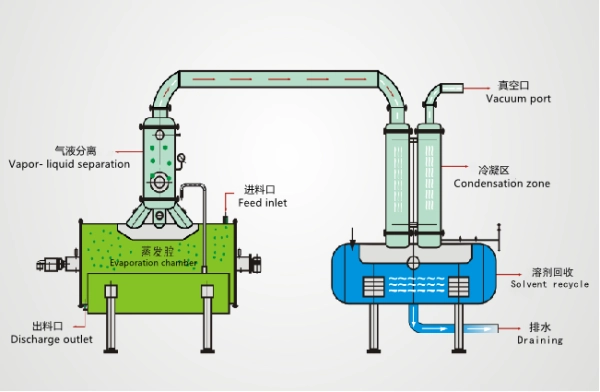
According to the actual testing process, fresh oranges are first squeezed into juice and then mixed with auxiliary materials according to the formula. This prepared feed liquid is discharged steadily and directly transported into the Minjie Vacuum Low Temperature Evaporator. The system operates continuously to remove water under a high vacuum, concentrating the low-solid-content liquid at a mild temperature.
Step 2: Continuous Dehydration in the Vacuum Belt Dryer
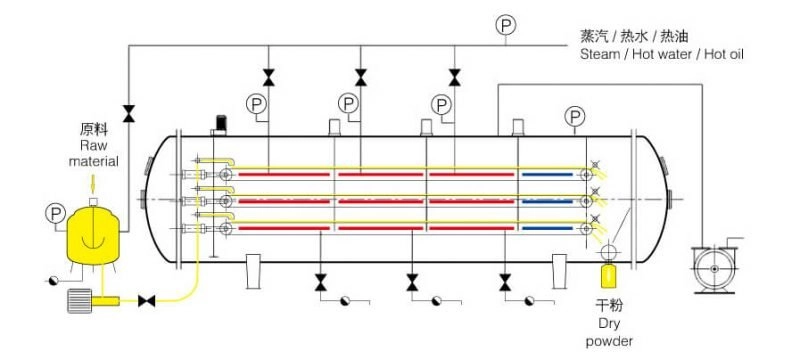
The evaporator supports continuous operation, so the concentrated liquid is discharged steadily and transported directly into the Vacuum Belt Dryer for Liquid & Paste. Inside the dryer, the materials are dehydrated under mild low-temperature and vacuum conditions. The continuous vacuum dynamic drying to obtain the final orange powder takes approximately 1 hour. This completely closed system prevents secondary contamination.
Quality and Production Efficiency
The smooth link between the evaporator and the belt dryer helps ensure steady operation. This is great for big making of fruit and vegetable powder and natural extracts. By keeping soft, low-temperature, and vacuum settings throughout the process, this plan clearly stops the oxidation and browning often caused by high heat. The finished orange powder clearly avoids color changes. Also, the real citrus smell and good parts stay safe. More than keeping item quality, the smart PLC control setup lowers worker needs. In fact, the whole production line mostly needs just 1 or 2 workers on site. The steady feed, drying, and taking-out steps give a dry powder saving rate of 99%, which helps cut down raw material waste.
Request a Test for Your Liquid and Paste Materials
If you are processing fruit juices, natural extracts, or biological fermentation broth, actual material testing can demonstrate the final powder quality. Minjie provides a low-temperature drying and concentration equipment test platform for interested clients. Every year, over 500 companies visit our laboratory center to conduct material trials to check moisture content targets and appearance. You can arrange a test with your similar heat-sensitive samples to evaluate the actual dehydration results.
FAQ
Q: Is the vacuum belt dryer suitable for other fruit juices besides orange?
A: Yes, it is ideal for various heat-sensitive fruit and vegetable juices, as well as natural extracts that require low-temperature dehydration.
Q: How does the vacuum low-temperature evaporator help the overall process?
A: It pre-concentrates the raw liquid by removing a significant amount of water at low temperatures, ensuring a steady, efficient feed for the subsequent continuous belt drying. This early step lowers the drying work on the later dryer.
Q: How long does the dehydration process take inside the vacuum belt dryer?
A: According to this practical case, once the concentrated liquid enters the vacuum belt dryer, the dehydration process takes approximately one hour to form the final powder. Generally, the drying time ranges from 30 to 60 minutes.
Q: How does this specific process prevent discoloration of the finished product?
A: The entire production process adopts mild, low-temperature, and vacuum technology, which effectively prevents the oxidation and browning typically caused by high heat. The negative-pressure environment also reduces oxygen contact, which helps reduce oxidation risks.
Q: Can I arrange a test for my own liquid extracts before applying this solution?
A: Yes, clients can consult with Minjie Machinery to arrange material testing, and they can evaluate the drying results for their specific heat-sensitive samples.