Why Pectin Makes Slurry Drying Difficult
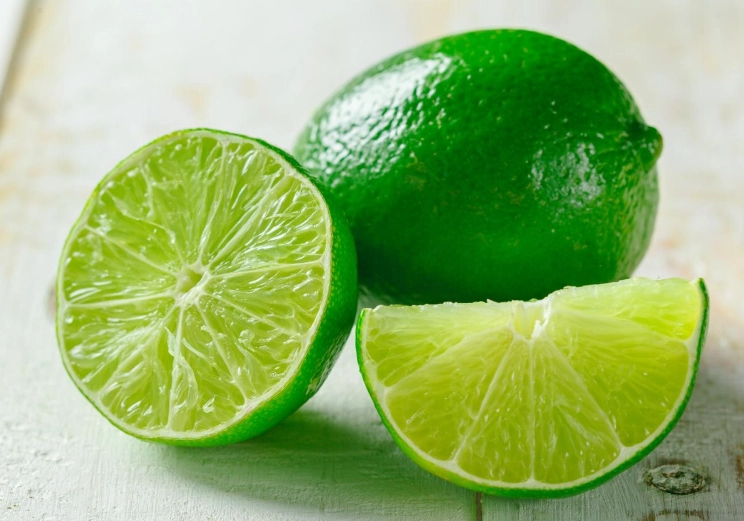
When processing natural citrus extracts into food additives, pectin causes the slurry to be highly viscous, which introduces specific technical challenges. Selecting the correct drying equipment is critical because conventional methods often fail to accommodate this stickiness. Utilizing a traditional vacuum drying oven requires a prolonged static drying time of 10 to 20 hours. This prolonged thermal exposure leads to a severe denaturation problem for heat-sensitive flavonoids.
Alternatively, for high-sugar and highly viscous materials like lemon peel slurry, using a spray dryer frequently causes nozzle blockage and severe wall sticking inside the drying tower. Such unstable conditions degrade the active pectin and flavonoids. So, finding an alternative system is necessary for high-viscosity food additives.
How Minjie Vacuum Belt Dryer Solves the Pectin Drying Problem
For pectin-rich lemon peel slurry, the drying process needs to remove moisture effectively and produce a material suitable for downstream handling. Research on a related citrus material provides a useful process-development reference: Liu et al. modeled moisture-content changes during vacuum belt drying of Citri Reticulatae Pericarpium and used genetic algorithm and particle swarm optimization methods to optimize operating conditions [1]. For this lemon peel application, the practical implication is to evaluate the actual slurry’s drying behavior when selecting process conditions, rather than assume that one set of operating parameters will suit every material.
Continuous Feeding of High-Viscosity Slurry
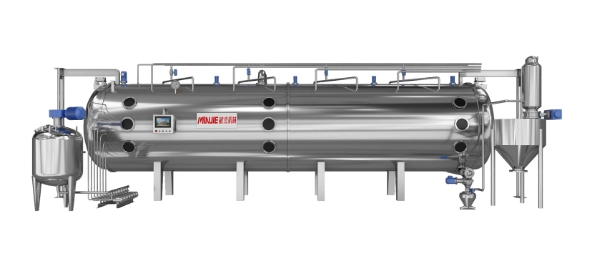
In our recent demonstration test, the initial preparation involves thoroughly washing fresh lemons, peeling them, and beating them into a fine, pectin-rich slurry ready for the equipment. The liquid product is conveyed into the dryer body by an infeed pump and quantitatively delivered to the nozzles, where it is evenly spread on the belts by a distribution device. The viscous lemon peel slurry is successfully and continuously fed into the drying system without requiring manual tray loading. Minjie Machinery utilizes a PLC automatic control system to manage this pipelined process, supporting continuous manufacturing with only one or two operators required on site.
Low-Temperature Vacuum Conditions for Pectin Preservation
By operating under high vacuum conditions, the boiling point of the liquid is lowered, enabling moisture evaporation at significantly reduced thermal levels. Minjie equipment features an adjustable drying temperature ranging from 30 to 300°C. For heat-sensitive materials, setting the system to a lower temperature helps preserve the chemical structure of the pectin and flavonoids.
Transforming Sticky Slurry into Loose Powder
Despite the initial high pectin content and stickiness, the final dried product has a loose structure and is very easy to mill into additive raw materials. A special vacuum crusher is equipped at the discharge end to process the dried material into different mesh sizes.
Vacuum Belt Drying Benefits for Food Additive Manufacturers
Guaranteeing the Quality of Natural Pectin Extracts
Effectively drying and preserving active ingredients directly impacts the commercial value of the final food additives. Our material drying equipment is designed to help maintain the color, solubility, and ingredients preservation of the dry product to high standards.
Testing High-Pectin Fruit Slurries with a Vacuum Belt Dryer
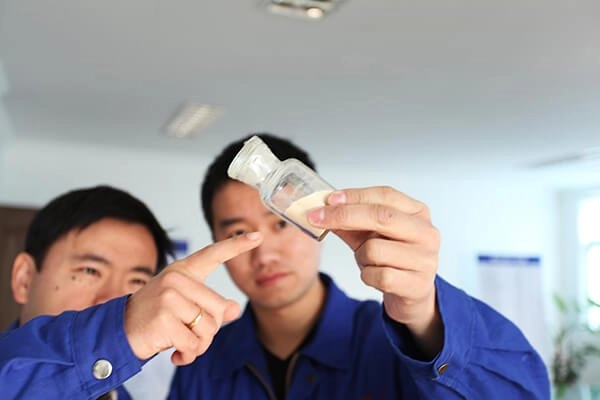
For pectin-rich fruit slurries, pilot testing should establish suitable operating conditions for reaching the target moisture content and obtaining a dried material that can be discharged and milled effectively. We encourage readers to consult our engineering team to arrange a practical test for their own challenging, high-pectin or sticky fruit slurries. We have established a dedicated low-temperature drying and concentration equipment test platform that provides free test service for clients.
Frequently Asked Questions
Q: Why is pectin difficult to dry using conventional drying methods?
A: Pectin is highly viscous, which can cause severe wall sticking and nozzle blockage in standard spray dryers. Additionally, its active properties are easily degraded by the instantaneous high temperatures of spray drying or the extended 10 to 20 hours of thermal exposure in static vacuum ovens.
Q: How does low-temperature vacuum drying help protect pectin quality?
A: By operating under a vacuum, the system significantly lowers the boiling point and evaporation temperature. This allows the slurry to dry gently at low temperatures to help prevent damage to the pectin and flavonoids.
Q: Can the dried pectin-rich lemon peel be easily milled into powder?
A: Yes, as demonstrated in our process, the vacuum drying results in a loose final product. A dedicated vacuum crusher at the discharge end makes it very easy to mill into a fine powder, and the process can also help materials develop internal micropores.
Q: What is the required state of the lemon peel before feeding into the dryer?
A: The raw lemons must be washed, peeled, and beaten into a fine, flowable slurry or paste.
Q: Can other high-pectin fruit slurries be tested in a vacuum belt dryer?
A: Yes, manufacturers can contact Minjie Machinery to arrange a practical sample test on our test platform to determine the optimal process parameters.
References
[1] Liu X, Xue Q, Wu Z, Cheng Y, Yang Y, Li Z. Optimization of vacuum belt drying process conditions for Citri Reticulatae Pericarpium using genetic algorithm and particle swarm optimization. Drying Technology. 2024;42(2):296–306. https://doi.org/10.1080/07373937.2023.2288407