The Importance of Operating Temperature in Solvent Recovery
In the solvent recovery process, traditional evaporation methods often face challenges due to high concentrating temperatures and long concentrating times. These harsh conditions are likely to cause denaturation of raw materials and loss of delicate volatile aromatic compounds. The equipment’s operating temperature is a critical factor in preventing this. Minjie Machinery’s Vacuum Low-Temperature Evaporator is designed to address this challenge.
Cucumber Processing with Minjie’s Vacuum Low-Temperature Evaporator
The Role of the Vacuum Low-Temperature Evaporator
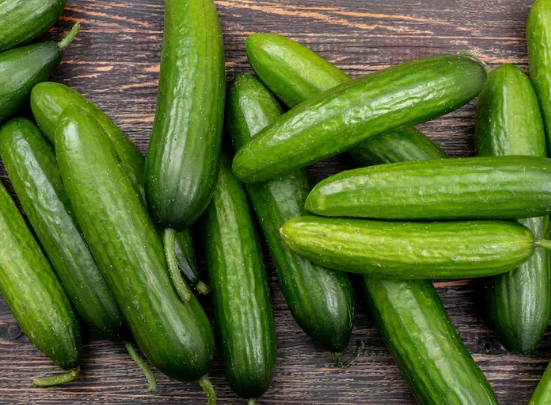
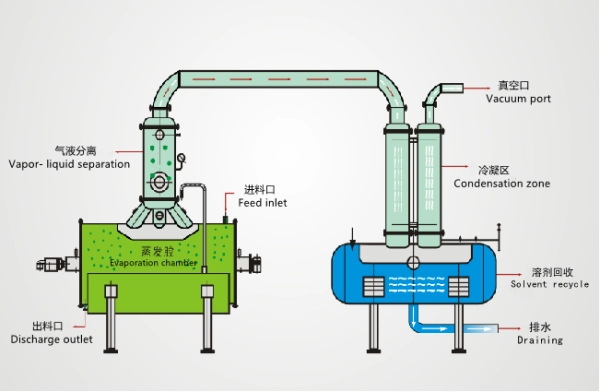
We will demonstrate how to recover solvent with the Vacuum Low-Temperature Evaporator. Our raw material for this test is fresh cucumber, and our main goal is to capture and recover cucumber aromatic substances. Operating at a high vacuum of -0.098 MPa, the Vacuum Low-Temperature Evaporator lowers the boiling point of the liquid, enabling safe evaporation between 20℃ and 50℃.
Feedstock Preparation and Crushing
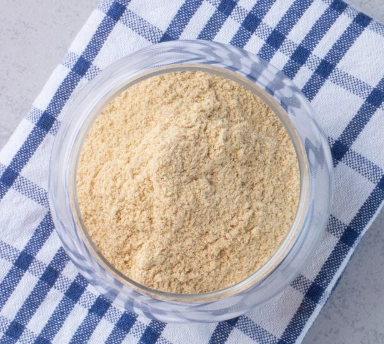
The initial practical step in our cucumber processing workflow is feedstock preparation. Before entering the low-temperature concentration machine, these fresh cucumbers are thoroughly cleaned and crushed into a proper particle size. This physical pretreatment is designed to maximize the exposed surface area of the vegetable material, which supports the subsequent evaporation process.
The Vacuum Evaporation and Condensation Process
Once the crushed cucumber feedstock enters the evaporator, the operation takes place under vacuum and low-temperature conditions. During this phase, volatile aromatic compounds are continuously separated from the feedstock. The system features a closed process, allowing these volatile compounds to be successfully recovered through condensation. Because the process operates under vacuum, the risk of external oxidation is mitigated, ensuring the integrity of the recovered aromatic water.
Evaluating the Extracted Cucumber Aromatic Water
Crystal-Clear Quality and Natural Fragrance
The confirmed results from the test show that the recovered liquid is crystal-clear cucumber aromatic water. The final aromatic water is full of rich, natural fragrance, successfully retaining the authentic scent of the original fresh vegetable. This visual clarity and aroma retention highlight the engineering effectiveness of our vacuum low-temperature method.
Potential for Downstream Processing and Enrichment
The recovered cucumber aromatic water holds practical commercial value and can undergo further enrichment and downstream processing. The extracted crystal-clear liquid is suitable for subsequent uses in the food, pharmaceutical, and cosmetic industries that require high-quality, natural aromatic ingredients.
Schedule a Material Test with Minjie
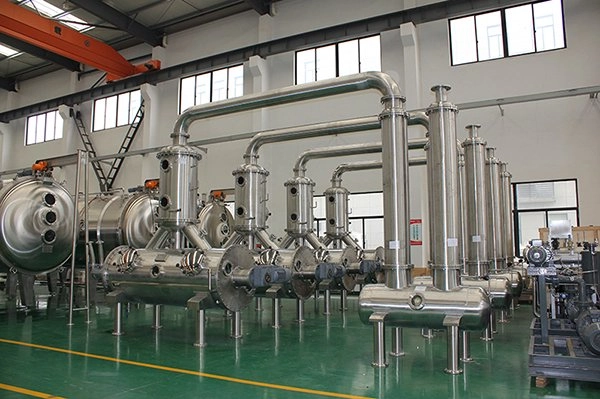
We encourage you to conduct a pilot test to verify the extraction quality and solvent recovery efficiency for your specific feedstock. Minjie Machinery has set up a low-temperature evaporation and concentration test platform, providing free test services for clients. Our test center welcomes more than 500 companies every year to test various materials. By testing your specific raw material at our facility, you can personally evaluate the recovery rate and quality of the extracted aromatic substances or solvents.
FAQ
Q: Is the Vacuum Low-Temperature Evaporator suitable for other heat-sensitive fruits and vegetables?
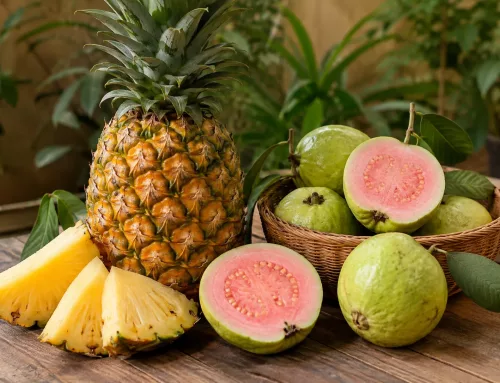
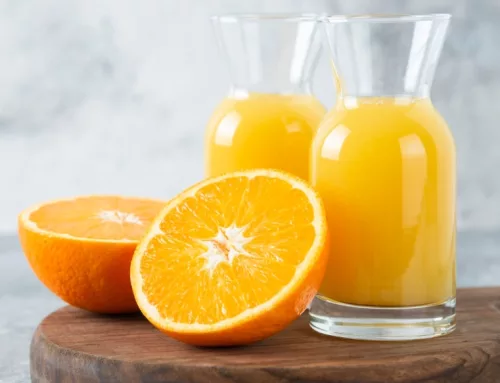
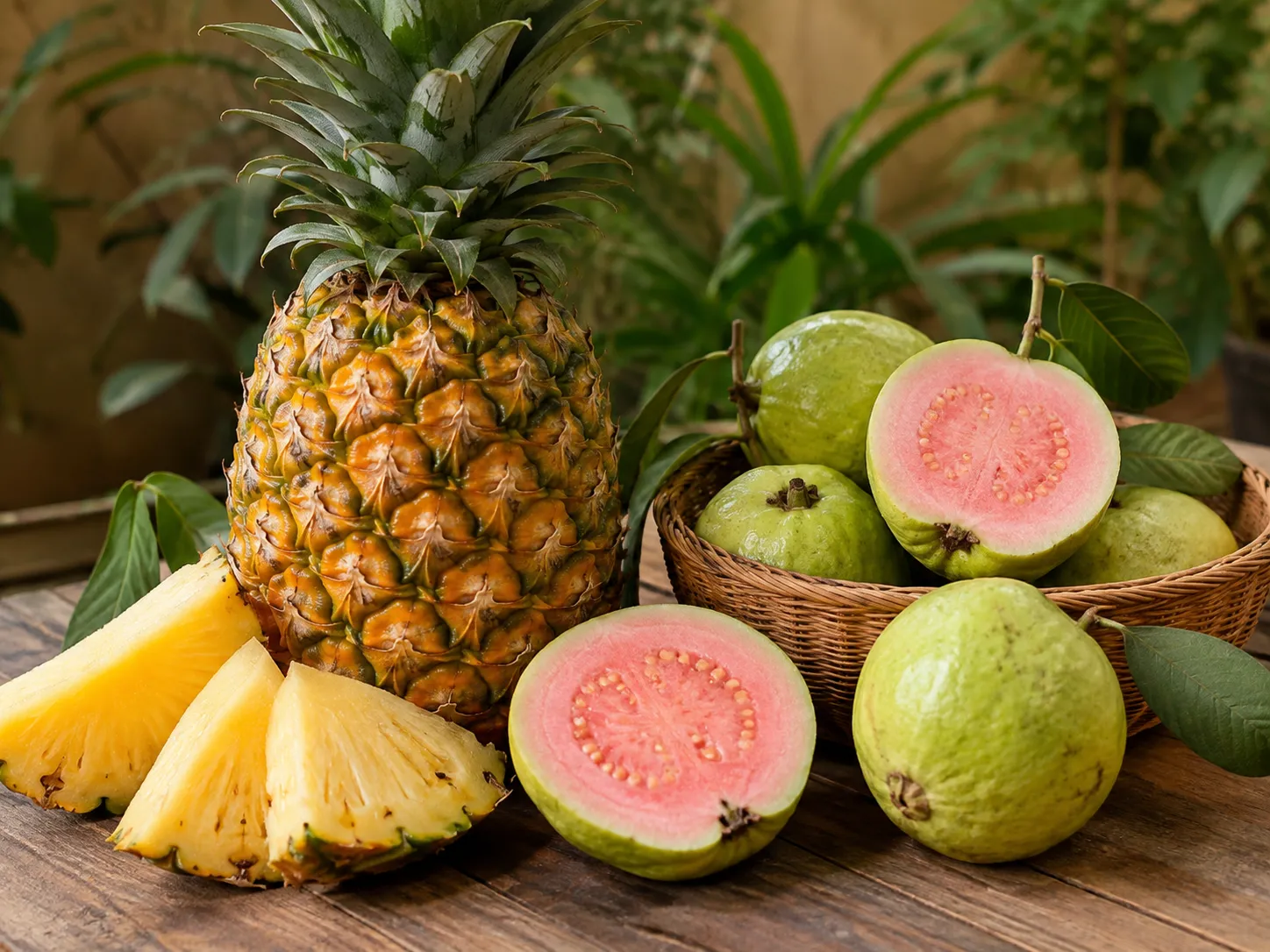
A: Yes, our equipment is highly suitable for heat-sensitive liquid materials. They require a low temperature of 20-50℃. This includes orange, guava, and pineapple. The same low-temperature processing principle applies to extracting aromatic waters and hydrosols from various heat-sensitive botanicals.
Q: How do vacuum conditions improve the solvent recovery process?
A: Creating a high-vacuum environment, such as -0.098 MPa, reduces the boiling point of the liquid inside the evaporator. This enables evaporation to take place at significantly reduced temperatures. It prevents the degradation of delicate volatile compounds and helps protect the active ingredients during the solvent recovery cycle.
Q: Can we test our own botanical or vegetable samples with this equipment?
A: Yes, we encourage you to arrange material testing at our laboratory center. This procedure allows you to verify the extraction quality and processing efficiency for your specific heat-sensitive feedstock using our low-temperature evaporation process.
Q: Does the raw material need any preparation before entering the evaporator?
A: Yes, as demonstrated in our cucumber processing test, fresh raw materials typically need to be thoroughly cleaned and crushed or milled to a proper particle size before feeding. This physical preparation step maximizes the exposed surface area and supports optimal evaporation efficiency within the system.