The Challenge of Drying Heat-Sensitive Fruit Juices
Common Issues with Liquid Dehydration
Dehydrating fruit concentrates presents engineering challenges because many feeds are heat-sensitive and contain substantial dissolved solids. Traditional batch vacuum ovens may require long static drying cycles; if the tray layer is too thick, material near the tray surface may overheat or darken while the upper layer remains incompletely dried. Spray-dryer inlet hot-air temperatures may reach 180–200°C. For high-sugar or high-viscosity feeds, atomization difficulties, nozzle blockage, wall sticking, and uneven product quality can become concerns. Prolonged or poorly controlled heat exposure can also increase the risk of oxidation, color change, and flavor loss.
The Demand for Premium Food Powders
Food-additive and beverage-ingredient manufacturers may require powders with controlled color, aroma, solubility, and ingredient quality. For heat-sensitive juice feeds, the drying environment should limit thermal and oxidative changes while achieving the required final moisture. Continuous vacuum belt drying addresses these needs by combining reduced pressure, controlled heating, and continuous material movement.
Case Study: Sour Cherry Juice Drying Process
Material Profile and Processing Goals
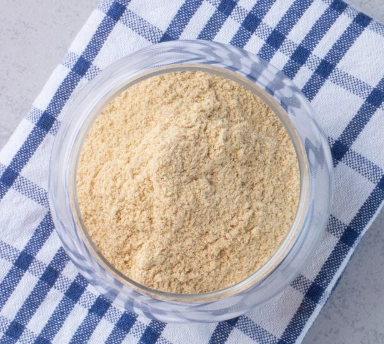
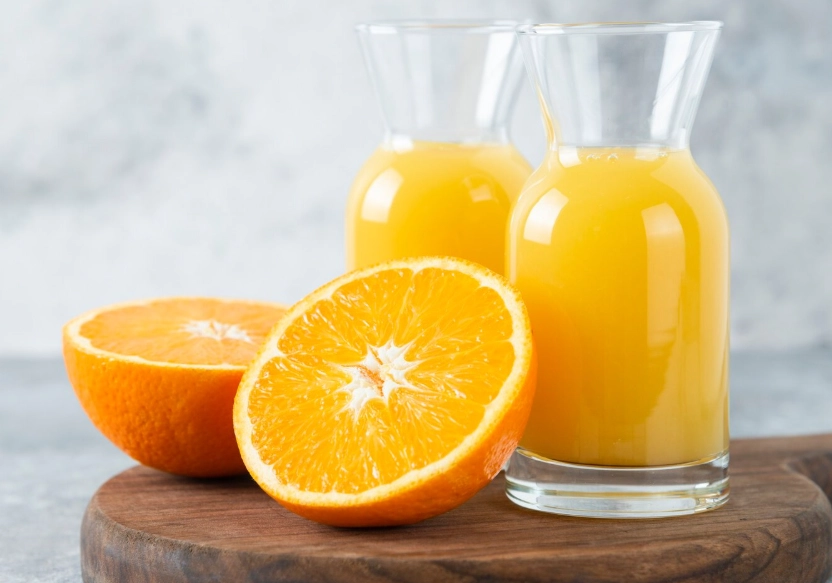
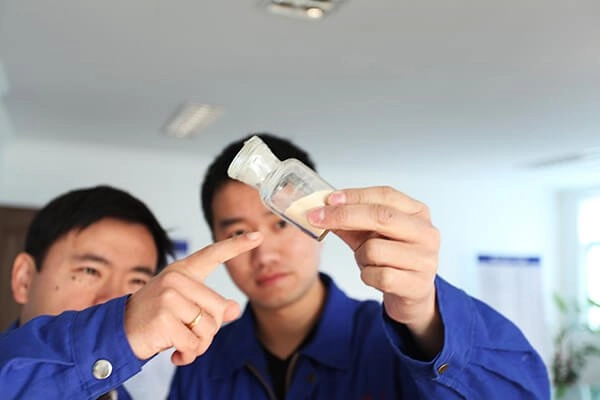
Sour cherry juice was used as the liquid feed. Its bright color and distinct flavor made visible discoloration and flavor loss the main quality concerns. The processing goal was to distribute the juice evenly and convert it into a dried product while retaining these characteristics.
The Role of Minjie Vacuum Belt Dryer for Liquid & Paste
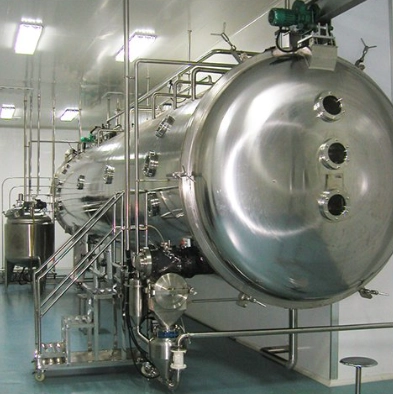
For this application, the Vacuum Belt Dryer System for Liquid & Paste continuously feeds, distributes, dries, cools, and discharges the material under vacuum. An infeed pump transfers the liquid from the raw material tank to the nozzle distribution system. It spreads the liquid across moving conveyor belts above the heating plates. Reduced pressure lowers the boiling point of water, allowing moisture removal at a lower material temperature than under comparable atmospheric conditions. Heating temperature, belt speed, and residence time can be adjusted for the feed solids, viscosity, heat sensitivity, and target moisture. The closed process also reduces manual transfer and contact with the external environment.
Key Observations and Processing Results
After distribution across the moving belts, the juice passed through segmented heating and a final cooling section before the dried material was cut and transferred to the back-end crusher. Greater heat input in the front section supports evaporation when moisture remains higher. Milder heating in later sections helps limit excessive thermal exposure as drying progresses. The juice spread evenly with no visible partial discoloration. The finished product retained a bright color and its original flavor.
Value for High-End Food Production
Consistent Quality Without Discoloration
PLC control coordinates feed delivery, belt speed, residence time, and the segmented heating profile, supporting repeatable thermal exposure and helping reduce the risk of localized discoloration. The closed vacuum environment limits contact with outside air, while the optional online CIP system supports hygiene control and GMP-related cleaning requirements.
Expanding Applications for Similar Liquids
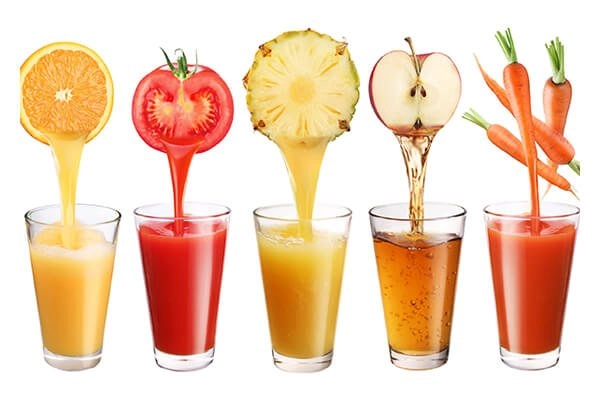
The sour cherry juice demonstration indicates potential for other heat-sensitive fruit liquids and concentrates, but different formulations can behave differently during drying. Maltini et al. reported successful vacuum belt drying of apple, pear, apricot, and peach juice concentrates without carrier-supporting materials after the consistency of the soluble fraction was properly adjusted (Maltini et al., 1992). The study also identified serum consistency as an important indicator of drying suitability. Related food applications include fruit-juice feeds, malt extract, syrup, instant beverage bases, cocoa-based materials, and other high-viscosity or heat-sensitive liquids and pastes. These materials share the need for controlled drying of heat-sensitive or viscous liquid feeds, although their consistency and belt-drying behavior may differ.
Request a Test for Your Specific Material
Minjie has established a testing center that offers free raw-material drying trials for product development. Before testing a new liquid or paste feed, please provide the feed moisture or solids content, viscosity, heat sensitivity, required final moisture, and expected powder characteristics. The controlled trial can then define the operating window before scale-up and assess moisture removal, discharge behavior, color, and solubility for that specific material.
FAQ
Q: How does the equipment prevent local discoloration during the drying process?
A: The distribution system spreads the liquid across moving belts. Controlled residence time and segmented heating help reduce uneven heat exposure.
Q: Does the final powder retain the original flavor of the raw material?
A: Vacuum operation lowers the boiling point of water, while the closed processing environment reduces contact with outside air. These conditions help limit thermal and oxidative effects on flavor.
Q: Can this drying technology be used for other liquid and paste materials?
A: In food applications, it can handle fruit-juice feeds, malt extract, syrup, cocoa-based materials, and other high-viscosity or heat-sensitive formulations.
Q: What information is needed before testing a new sample in the vacuum belt dryer?
A: Provide the feed moisture or solids content, viscosity, heat sensitivity, required final moisture, and desired powder form. These inputs are needed to establish the feed rate, heating profile, belt speed, residence time, and discharge conditions for the pilot trial.
Reference:
Maltini, E., Nani, R., & Bertolo, G. (1992). Role of serum viscosity and of pulp content in the vacuum belt drying of pure fruit juices. International Journal of Food Science & Technology, 27(5), 531–539. https://ifst.onlinelibrary.wiley.com/doi/10.1111/j.1365-2621.1992.tb01219.x