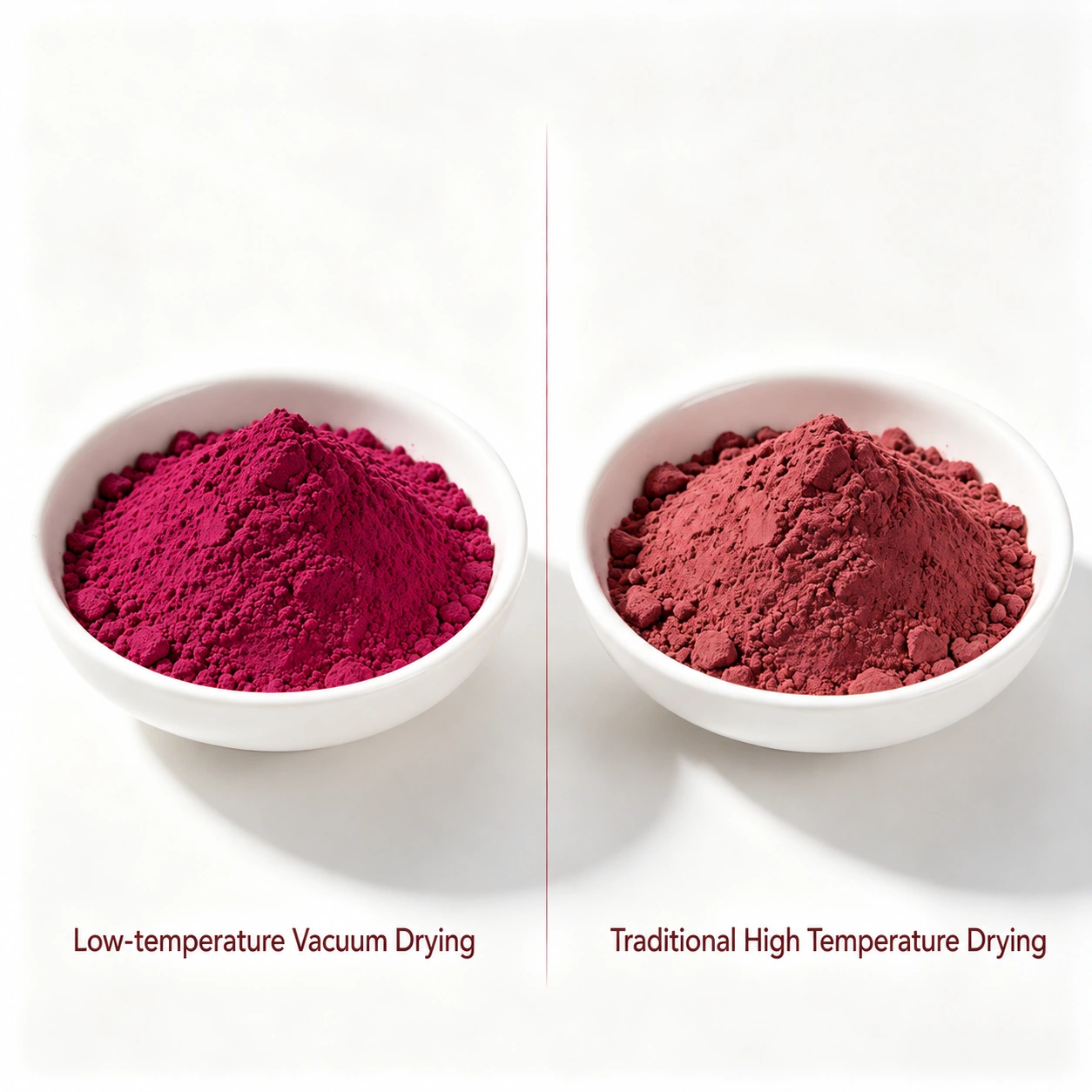
Industrial concentration tasks frequently handle thin, heat-sensitive liquids. These fluids might lose active ingredients, color, aroma, or flavor if you expose them to high heat or long heating times. A vacuum low temperature evaporator drops the boiling point of water or solvents. It does this by running under a strong vacuum. This allows the system to concentrate liquids between 20–50°C. This guide outlines how the equipment works. It also covers its primary advantages for protecting product quality, ensuring continuous processing, recovering solvents, simplifying cleaning, and meeting industrial demands.
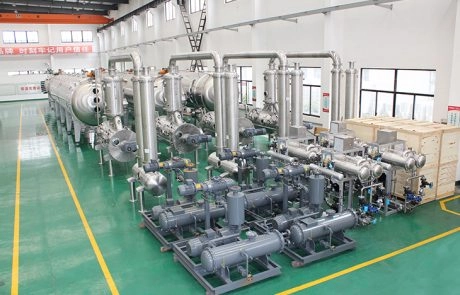
Overcoming Thermal Degradation in Heat-Sensitive Materials
Preserving Nutritional and Active Components
When conventional evaporation uses higher temperatures or long residence times, heat-sensitive components may denature or lose activity. The vacuum low temperature evaporator operates at approximately -0.098 MPa (gauge), which lowers the liquid’s boiling point and enables concentration within an adjustable temperature range of 20–50°C. This reduces thermal exposure and helps preserve active components during the concentration process.
Maintaining Superior Color and Flavor Profiles
Too much heat can make certain liquids turn dark and can also change their natural smell or taste. Inside this evaporator, hot water warms the bottom of the vessel and the spinning roller. The rotating roller expands the active evaporation surface and also creates a moving thin film. Consequently, the liquid evaporates fast at a lower temperature. This shorter and gentler heat exposure helps retain the original color and flavor of suitable heat-sensitive liquids.
Boosting Operational Efficiency with Continuous Processing
Seamless Automated Feed and Discharge
Batch evaporators may require repeated loading, discharge, and vacuum re-establishment. In contrast, the vacuum low temperature evaporator supports continuous feed, concentration, and discharge under vacuum, avoiding the repeated interruptions associated with batch operation.
This design creates an automatic, continuous, and closed process. Raw liquid is drawn into the system, concentrated, and discharged without ever exposing the internal chamber to ambient air or requiring the machinery to power down. This continuous workflow helps reduce manual labor interventions and allows facilities to maintain steady, predictable production schedules.
Handling Diverse Liquid Densities Without Clogging
Traditional evaporators may experience scaling, reduced fluidity, or discharge difficulties as concentration increases. The MJ-NS vacuum low temperature evaporator system can process a broad range of concentrations as long as the material remains flowable. An online density monitor watches the concentration levels. It triggers an automatic discharge once the fluid hits a target point. Meanwhile, the spinning roller keeps the thin film moving. This action lowers the chance of material buildup and clogs.
Reducing Overall Production and Maintenance Costs
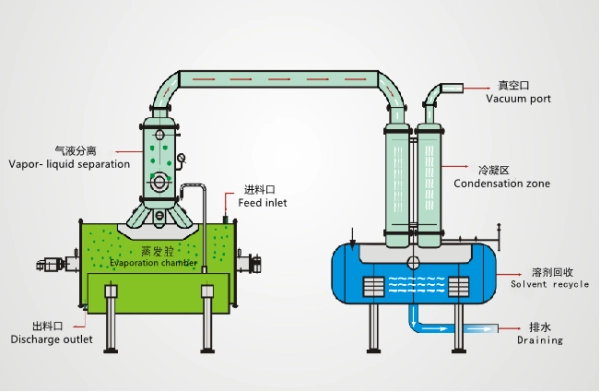
High-Efficiency Solvent Recycling and Recovery
In processes involving recoverable solvents, the closed vacuum system directs the evaporated vapor to a condenser, where it is converted back into liquid for collection. The condensate can then be recovered for reuse or further processing, reducing solvent loss and fresh-solvent demand.
Minimizing Downtime with Integrated CIP Systems
Manual dismantling and cleaning can extend downtime and increase the risk of cross-contamination. The integrated CIP system supports quick and thorough in-place cleaning with minimized dead zones, reducing cleaning time and supporting GMP-oriented hygienic operation.
Key Industrial Applications of Low-Temperature Evaporation
Food and Beverage Industry Upgrades
The food and drink sector frequently needs careful low-temperature concentration. This control protects heat-sensitive nutrients, colors, and tastes. The MJ-NS evaporator offers an adjustable concentration range from 20–50°C. Therefore, it is a great fit for heat-sensitive liquid foods and drinks with low solid contents.
Common uses in the food and drink field include fruit juices, dairy goods, and instant tea liquids. The continuous vacuum process uses hot-water heating to pull out some water at a low temperature. This action helps create thicker liquids. At the same time, it prevents heat-driven changes to the product’s color, taste, and nutritional value.
Chemical Processing and Fluid Management
Chemical processing applications include flowable, heat-sensitive solutions and liquids containing recoverable solvents. The closed vacuum process supports low-temperature concentration while limiting vapor release and allowing condensed solvent to be collected. Automatic density monitoring and discharge also help manage increasing concentration without repeatedly interrupting the vacuum process.
Why Choose Minjie Machinery for Vacuum Low Temperature Evaporation?
At Minjie Machinery, we have specialized in industrial drying and evaporation equipment since 1998. We developed our vacuum low temperature evaporator to provide continuous low-temperature concentration for flowable, heat-sensitive liquids in pharmaceutical, food, chemical, and biological processing applications.
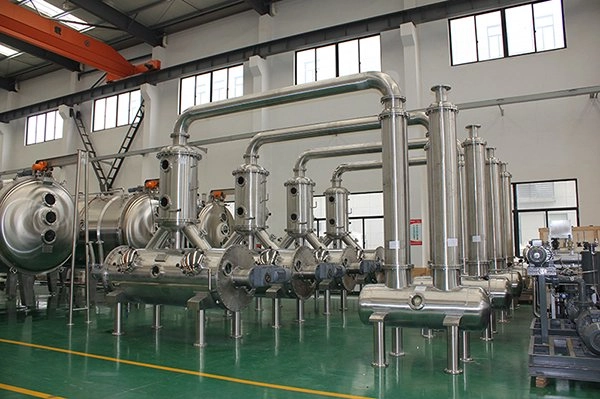
We support our engineering capabilities with professional manufacturing facilities, experienced technical personnel, precision welding and machining equipment, and established quality management systems. Our vacuum low temperature evaporator has also obtained a dedicated patent and CE certification By controlling equipment design, fabrication, assembly, and quality inspection within our own manufacturing system, we aim to provide dependable equipment performance, hygienic construction, and long-term operational stability for low-temperature concentration processes.
FAQ
Q: What is the optimal temperature range for a vacuum low temperature evaporator?
A: For the MJ-NS vacuum low temperature evaporator, the adjustable concentration temperature range is 20–50°C. At an operating vacuum of approximately -0.098 MPa (gauge), the boiling point is reduced, enabling lower-temperature evaporation and helping protect heat-sensitive components.
Q: How does a continuous vacuum evaporator handle high-density liquids?
A: In the MJ-NS design, high-density liquids can be processed as long as they remain flowable. The online density monitor tracks concentration and triggers automatic discharge at the set point, helping reduce discharge difficulties and blockage risk.
Q: Why is thin film evaporation crucial for heat-sensitive liquid concentration?
A: Thin-film evaporation spreads the liquid across a wider heated area. This action boosts heat transfer and reduces the time the fluid spends under heat. Inside the MJ-NS evaporator, a spinning roller keeps this film moving constantly. As a result, the material evaporates quickly at a low temperature. This process limits the danger of heat-driven damage.
Q: Can an industrial low temperature evaporation system recover solvents efficiently?
A: Yes. The closed vacuum system routes solvent vapor to a condenser, where it is converted into liquid and collected for recovery. This reduces solvent loss and supports solvent reuse or further processing.