Vacuum Low-Temperature Drying: A Premium Solution for High-Activity Protein Powder Production
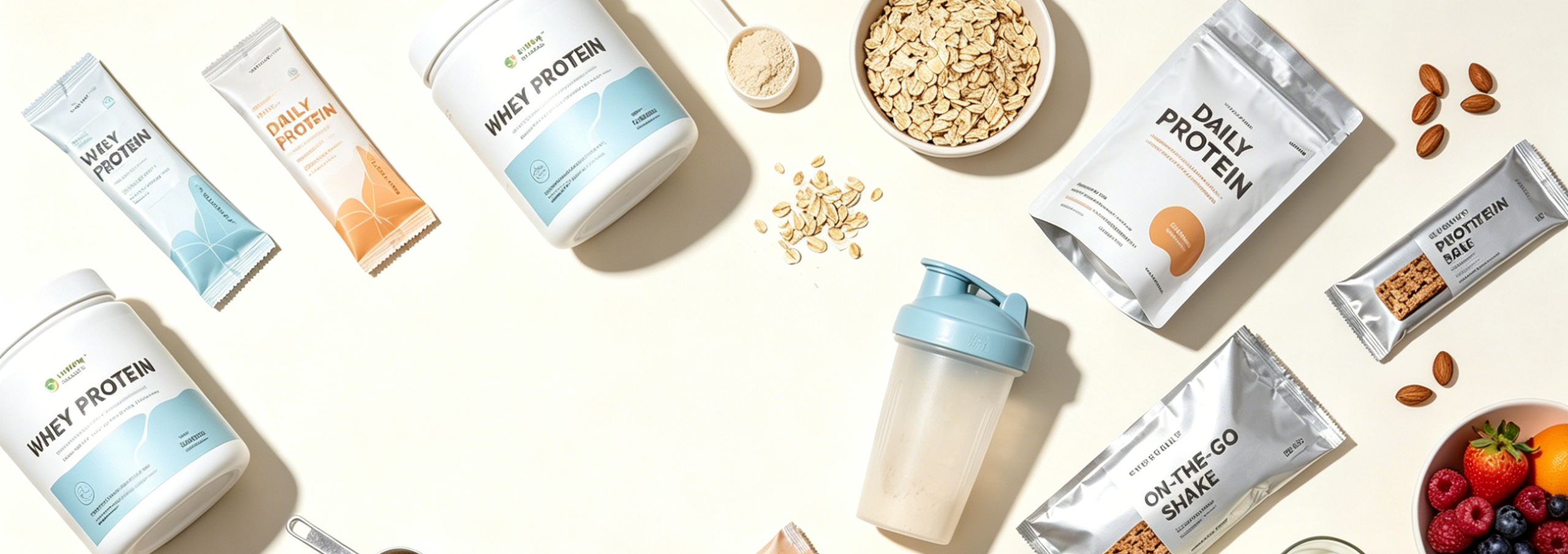
With the continuous improvement of public health awareness, the sports nutrition, dietary supplement and functional food sectors are thriving, driving steady growth in market demand for protein powder. Categories such as whey protein, pea protein, soy protein isolate and hydrolyzed peptide protein are continuously expanding. Consumers are placing greater emphasis on product solubility, natural flavor and bioactivity, and high-end functional protein powder has become the main growth driver of the industry.
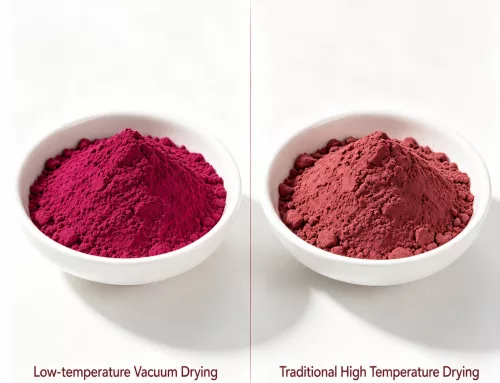
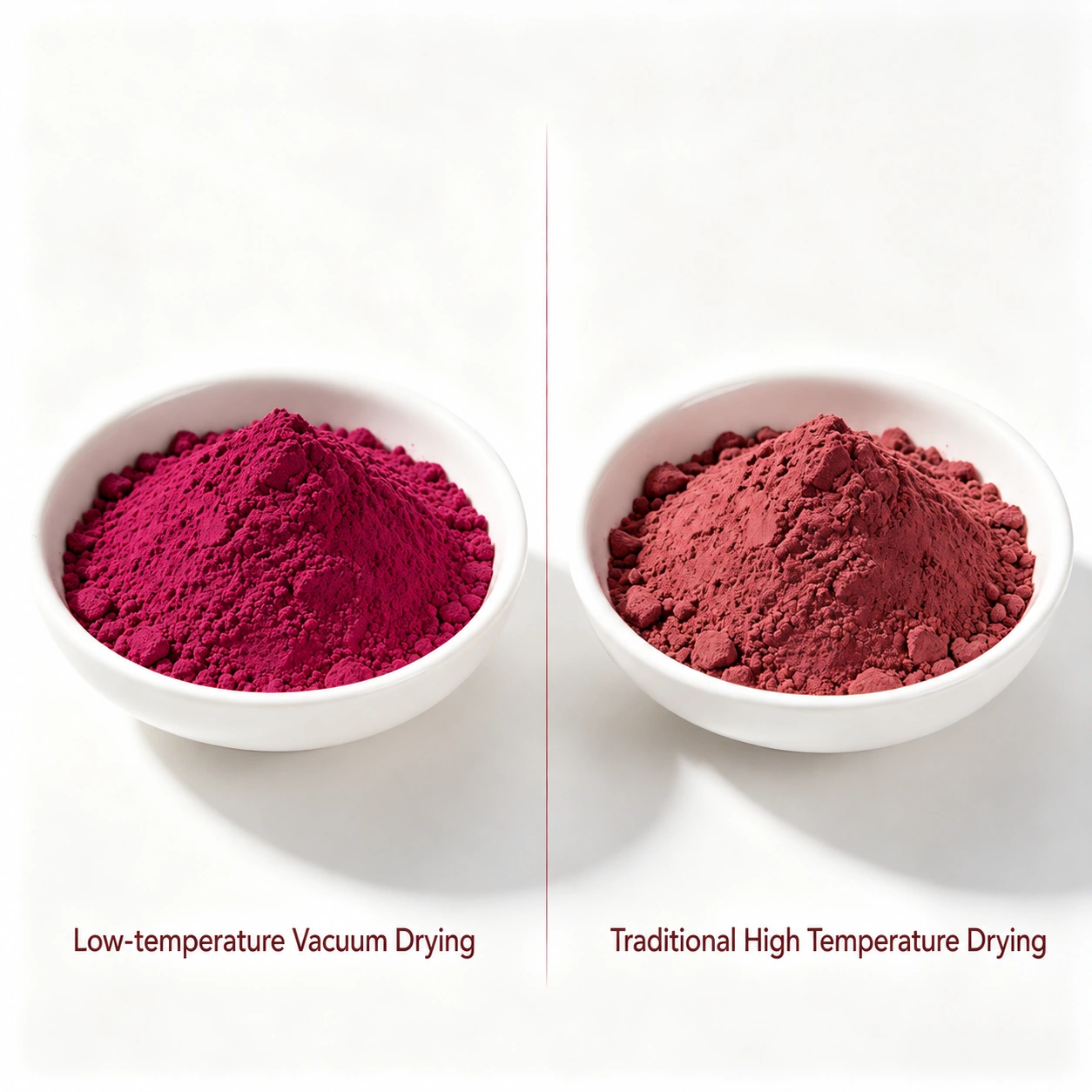
 Alongside market expansion, competition in this field has turned increasingly fierce. A large number of manufacturers have entered the market, and homogeneous basic products are locked in price wars. For enterprises to build differentiated competitiveness, the core lies in finished product quality. Protein is a typical heat-sensitive material. Conventional high-temperature drying processes tend to cause denaturation of the protein spatial structure and loss of active substances, resulting in powder yellowing, agglomeration, stratification upon reconstitution and flavor deterioration, which directly reduce product added value. Currently, downstream brand owners keep raising processing standards for raw materials, and the production threshold of the industry continues to rise. Maximizing the retention of protein activity and stabilizing the physicochemical indicators of powder during the drying process has become critical for protein powder manufacturers to stand out from competitors.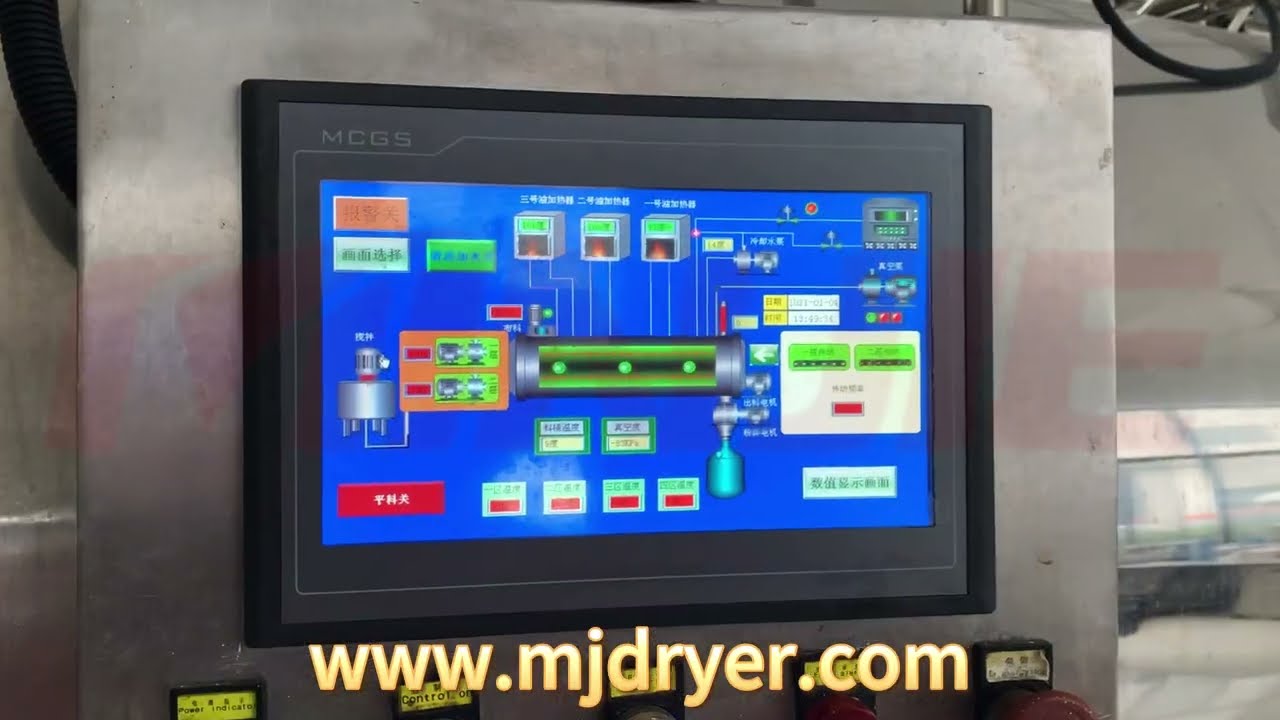
 Traditional high-temperature spray drying can hardly meet the production requirements for high-end active protein. Although freeze drying achieves excellent activity retention, it requires huge capital investment, consumes excessive energy and delivers low mass production efficiency, making it unsuitable for large-scale continuous production.
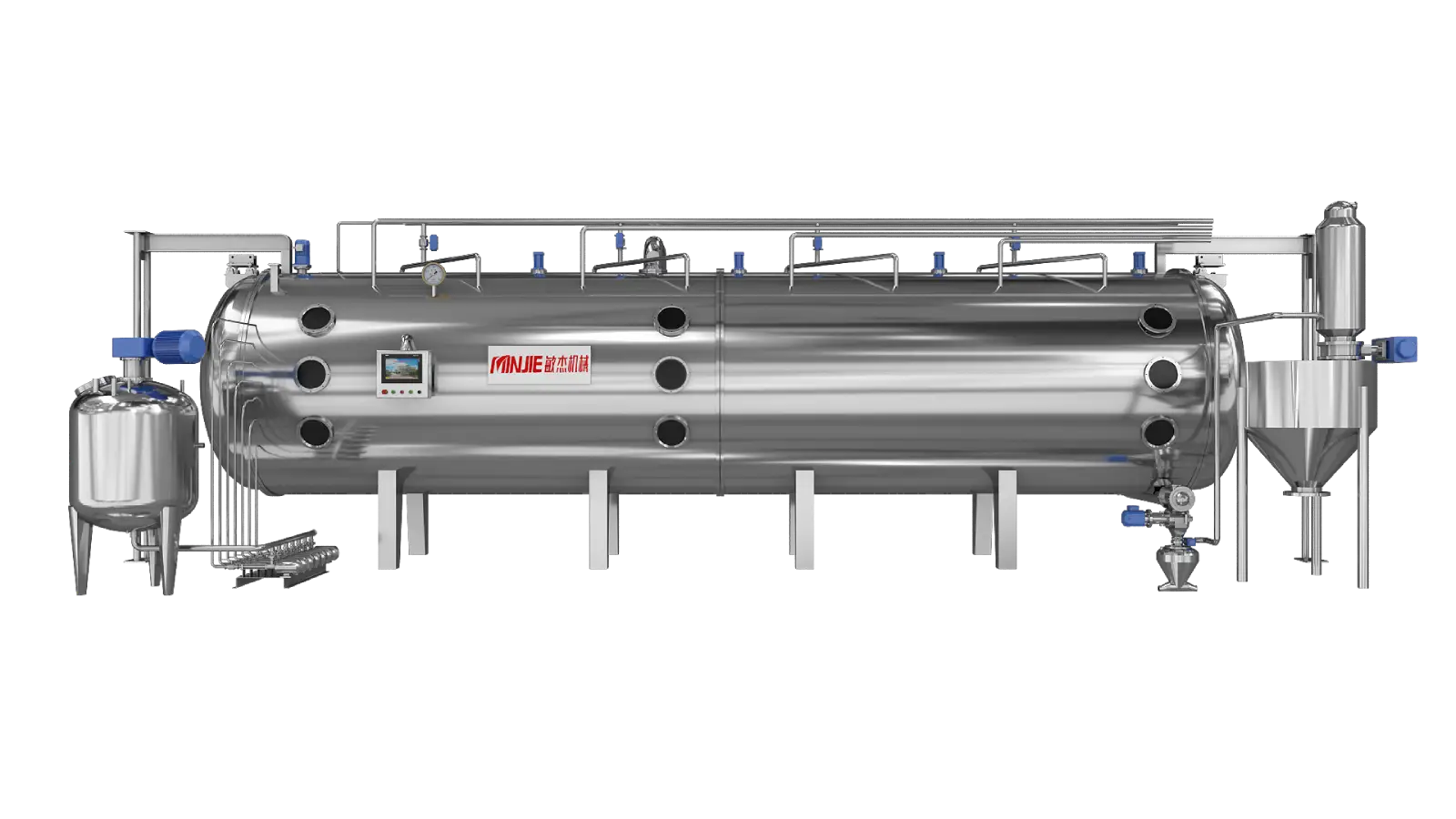
 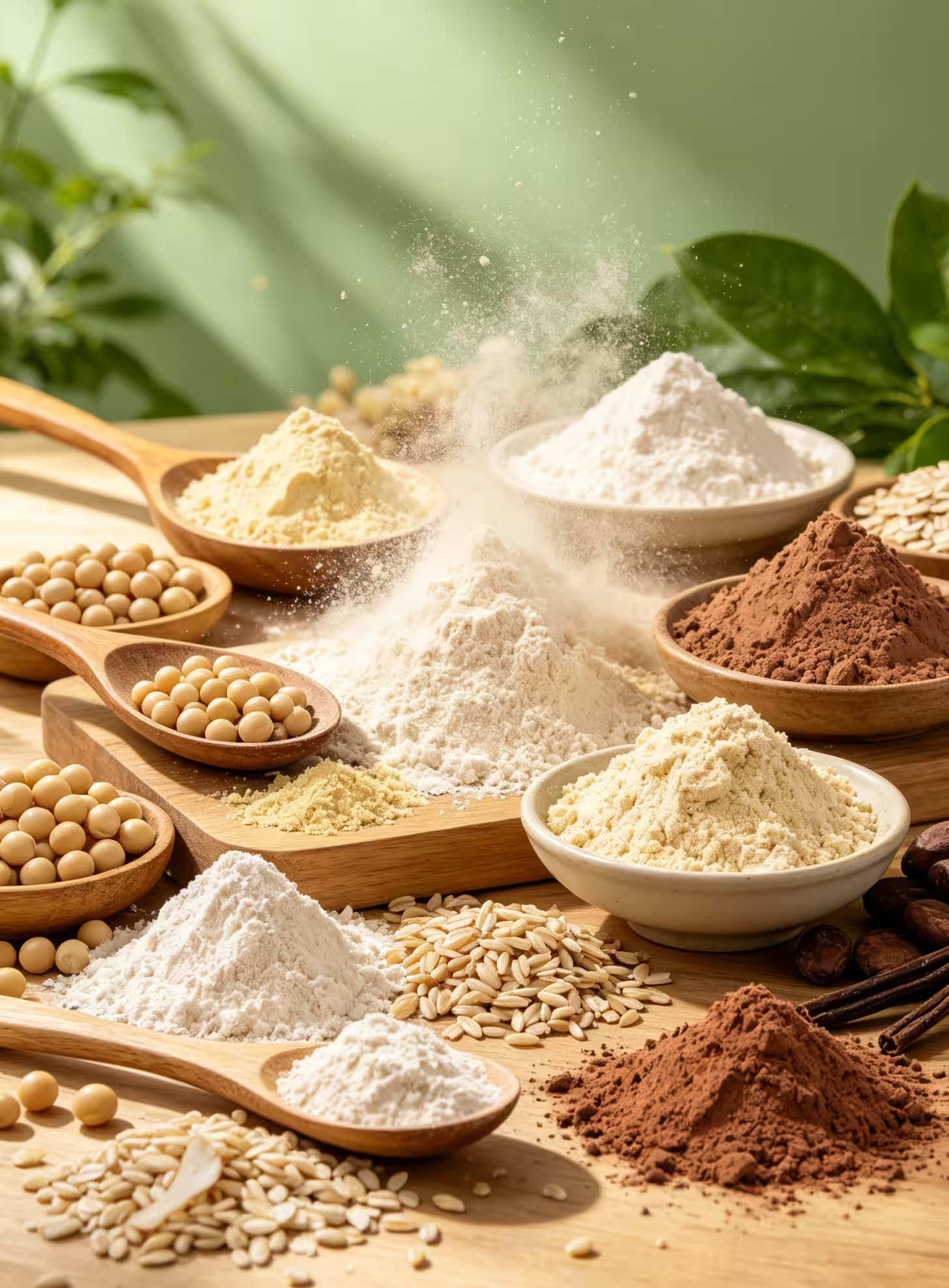 To address the pain points facing the protein powder industry, Shanghai Minjie’s vacuum belt dryer equipment offers an ideal solution. The equipment achieves low-temperature dehydration under a vacuum negative pressure environment with precisely controllable drying temperature, avoiding protein denaturation caused by high heat and effectively preserving active ingredients including amino acids and bioactive peptides. The closed production environment minimizes material oxidation, yielding fluffy and fine powder with superior solubility and flowability.
The equipment is suitable for feeding concentrated protein liquid and enzymatically hydrolyzed raw protein solution, supporting both batch processing and continuous mass production. All material-contact components are made of food-grade stainless steel, complying with GMP hygiene specifications for food and health products. We help protein powder manufacturers develop high-quality differentiated products and seize opportunities in the high-end nutritional raw material market.