The Challenge of Processing Heat-Sensitive Liquid Plant Extracts
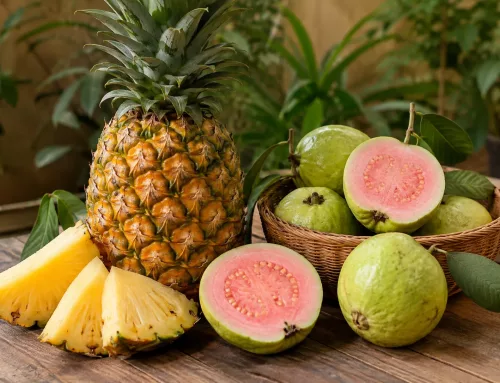
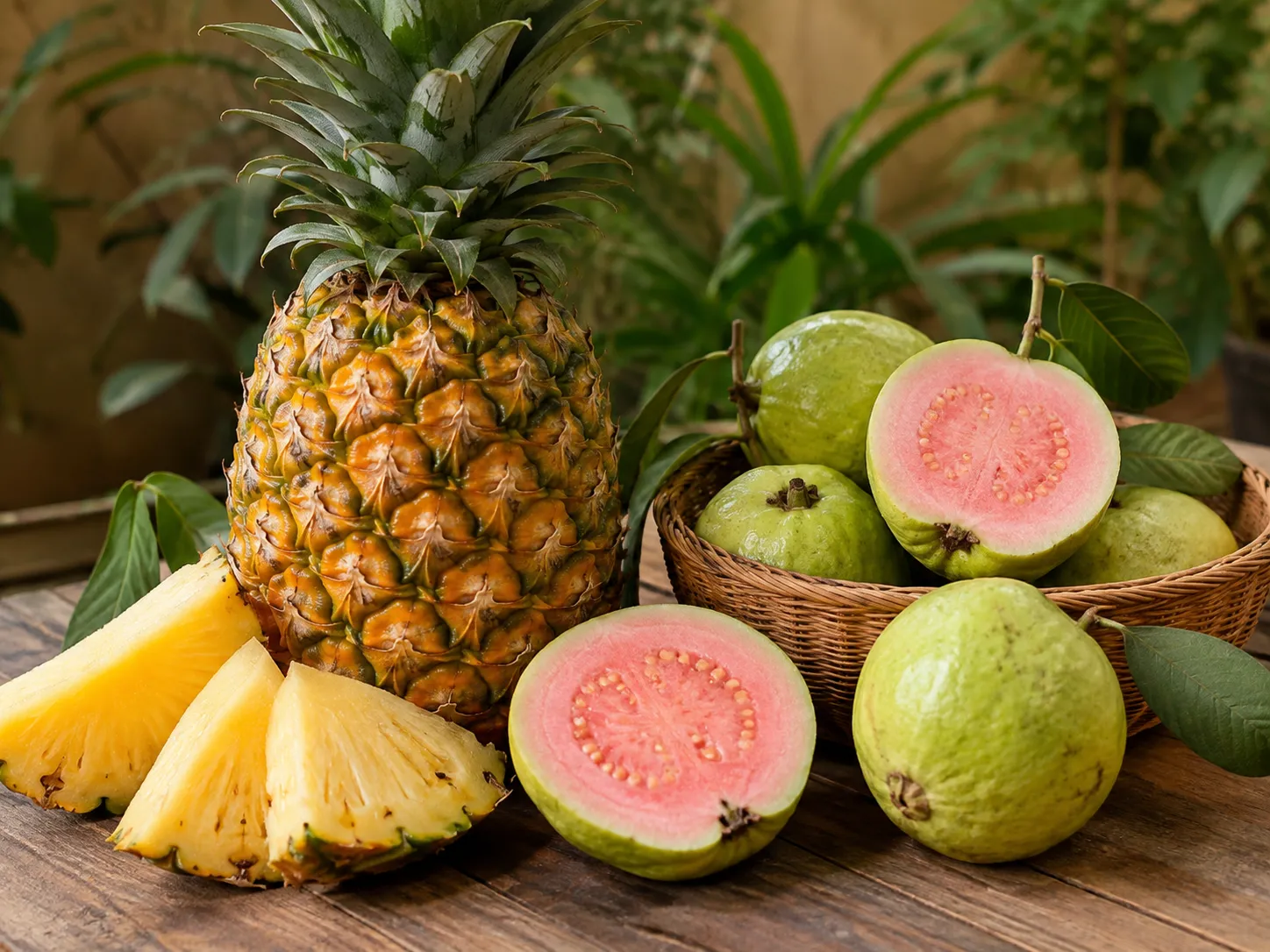
Botanical materials typically contain high initial moisture and delicate active compounds that are highly vulnerable to thermal degradation. Academic research demonstrates that drying conditions, specifically operating temperatures, dramatically dictate the effective moisture diffusivity, required activation energy, and overall tissue integrity of high-moisture plant materials (Aghbashlo, Kianmehr, & Samimi-Akhijahani, 2008). Because conventional high-temperature drying demands excessive thermal energy that can destroy heat-sensitive botanical ingredients, manufacturers face a severe bottleneck. This scientific consensus highlights the critical need for alternative solutions, such as vacuum belt drying, which fundamentally lowers the boiling point of water and protects the active ingredients of the extract without excessive energy consumption.
Minjie Vacuum Belt Dryer Application Test for Plant Extracts
Using the Vacuum Belt Dryer for Schisandra Extract
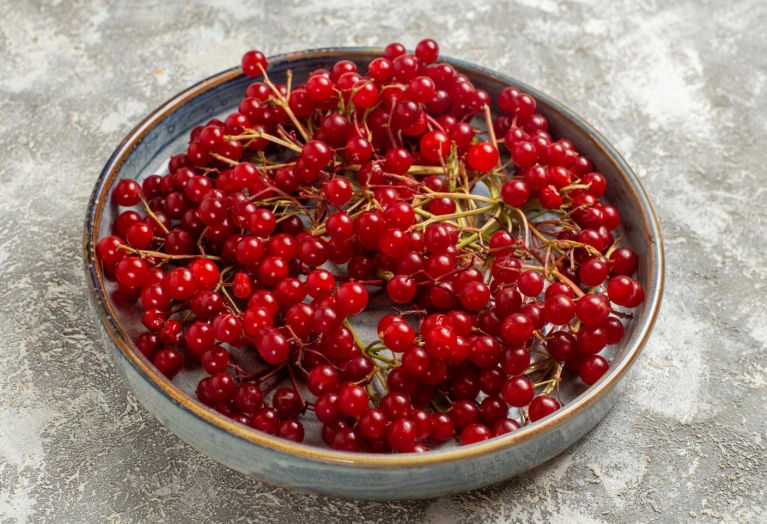
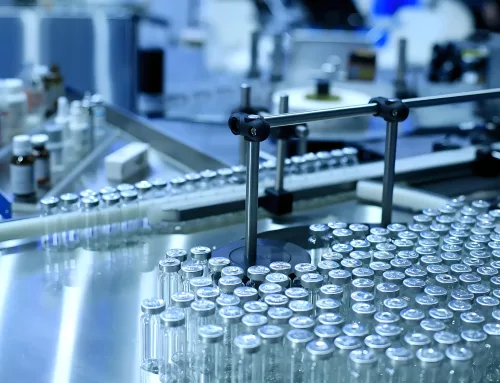
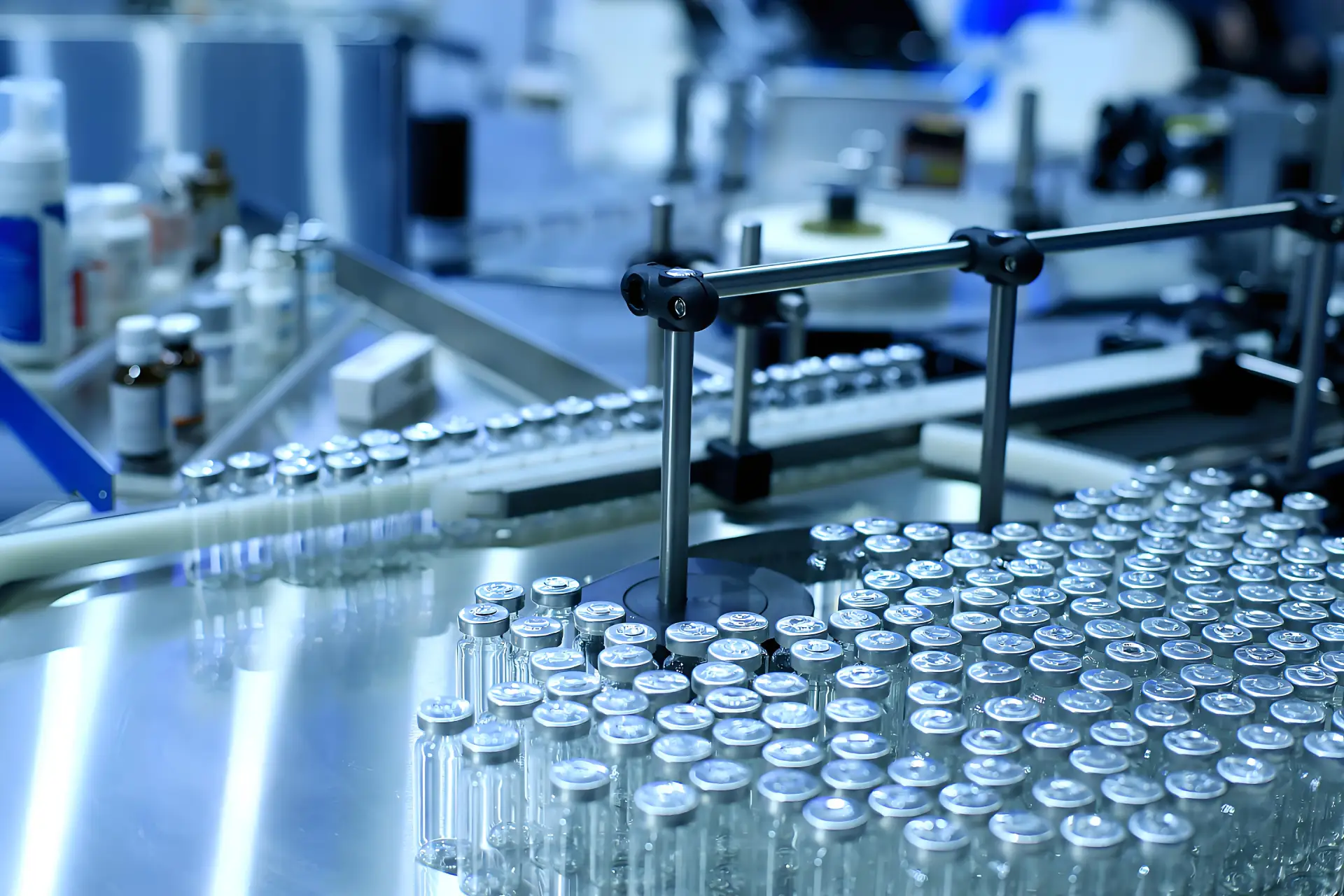
To address the aforementioned challenges, Minjie Machinery’s Vacuum Belt Dryer for Liquid & Paste is utilized to process schisandra extract. As a continuous infeed and discharge vacuum drying equipment, it handles the sticky botanical extract efficiently. Because delicate extracts like schisandra require strict hygiene and precise temperature control, this system features a completely closed design with a CIP cleaning system to maintain GMP standards, and offers adjustable drying temperatures ranging from 30-300℃. Additionally, its high efficiency ensures the running cost is significantly lower than traditional methods.
Observation of the Continuous Feeding and Spreading Process
During the application test, the liquid schisandra extract is continuously pumped into the chamber. The liquid product is conveyed into the dryer body by an infeed pump and evenly spread on the belts by a distribution device.
The Transformation from Liquid Paste to Powder
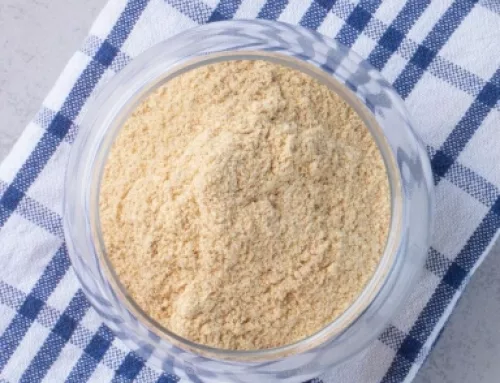
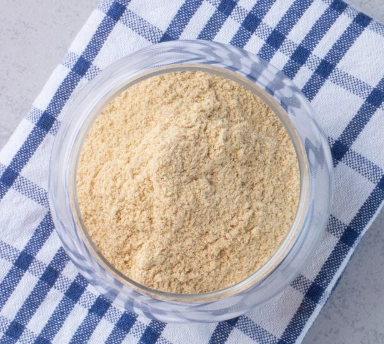
As the belts move steadily over the heating plates, the extract goes through evaporation, drying, and cooling stages. Moisture in the liquid material is evaporated continuously. The temperature decreases through this process, forming a dry crust. The material is cut by a blade and fed into a pulverizer; the material is collected in a glass container, appearing as a dark, granular, dry product.
Results and Value for Botanical Extract Production
Analyzing the Final Dried Granules
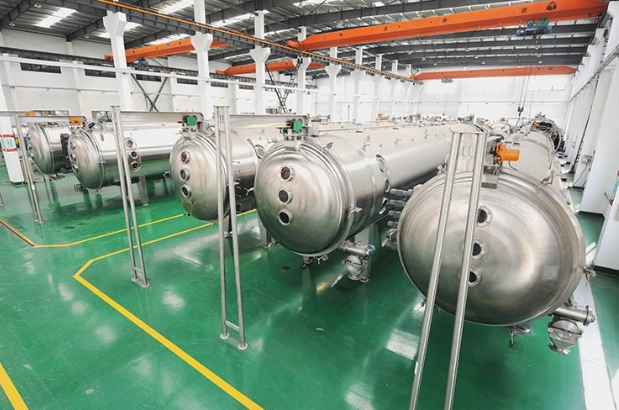
This system is designed to produce products that maintain good solubility. For liquid extracts, the equipment is capable of achieving continuous discharge of dry powder after 30-60 minutes. The dry powder or granule product can be automatically packed or continue with subsequent processes. Our continuous process provides several observed benefits:
- Reduced manual handling and intermediate transfer steps.
- Completion of drying and back-end crushing in a relatively closed environment.
- Mitigation of secondary contamination risks.
As an example of field application, CR Sanjiu Group has utilized our belt vacuum dryer for herbal extracts to achieve continuous feed and discharge, directly crushing the dried material into granules with good flowability.
Next Steps for Testing Your Specific Extract Samples
Minjie maintains a test center equipped with low-temperature drying platforms to evaluate specific material requirements. More than 500 companies come to our company every year for investigation and testing. We provide free test services for clients who are interested in our products. Customers can test their samples to confirm moisture content, appearance, and other process requirements.
Frequently Asked Questions
Q: Is the vacuum belt dryer suitable for highly viscous plant extracts?
A: Yes. It is suitable for drying liquid or paste raw materials with high viscosity and easy agglomeration properties.
Q: How does this drying method protect heat-sensitive active ingredients?
A: Drying under high vacuum lowers the boiling point of the liquid, meaning water evaporates at much lower temperatures. This helps preserve the ingredients of heat-sensitive materials.
Q: Can we send our own liquid herbal extract for a drying test?
A: Our laboratory can provide pilot test services for a variety of liquid plant extracts before scaling up.
Q: What specific material properties should we provide before running a drying test?
A: Minjie provides a dedicated form; you can contact us to fill in the required application details.
Reference:
Aghbashlo, M., Kianmehr, M. H., & Samimi-Akhijahani, H. (2008). Influence of drying conditions on the effective moisture diffusivity, energy of activation, and energy consumption during the thin-layer drying of berberis fruit (Berberidaceae). Energy Conversion and Management, 49(10), 2865-2871. https://doi.org/10.1016/j.enconman.2008.03.009