The Challenge: Drying Viscous and Heat-Sensitive Seasonings
Why Sticky Pastes Are Difficult to Process
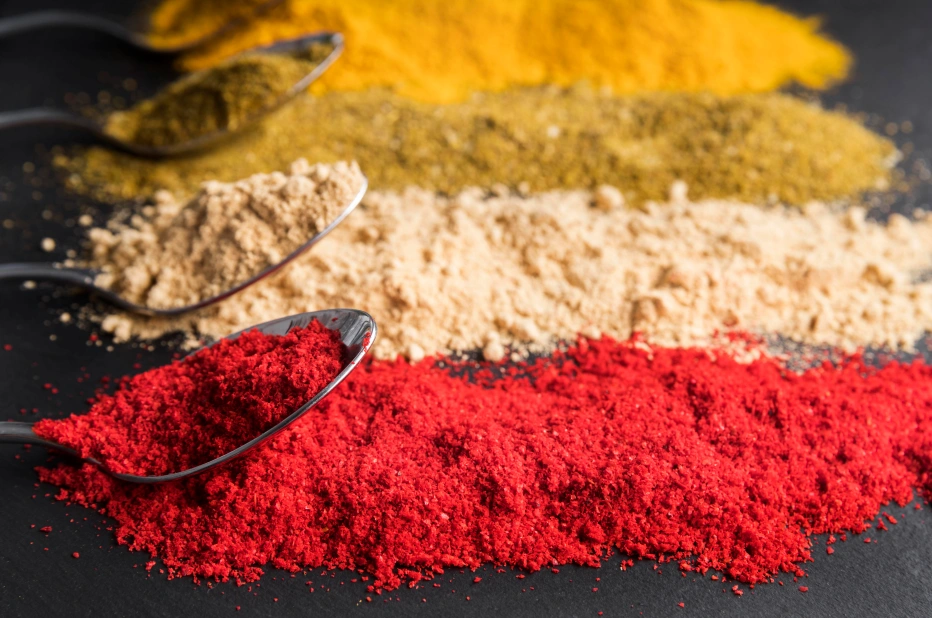
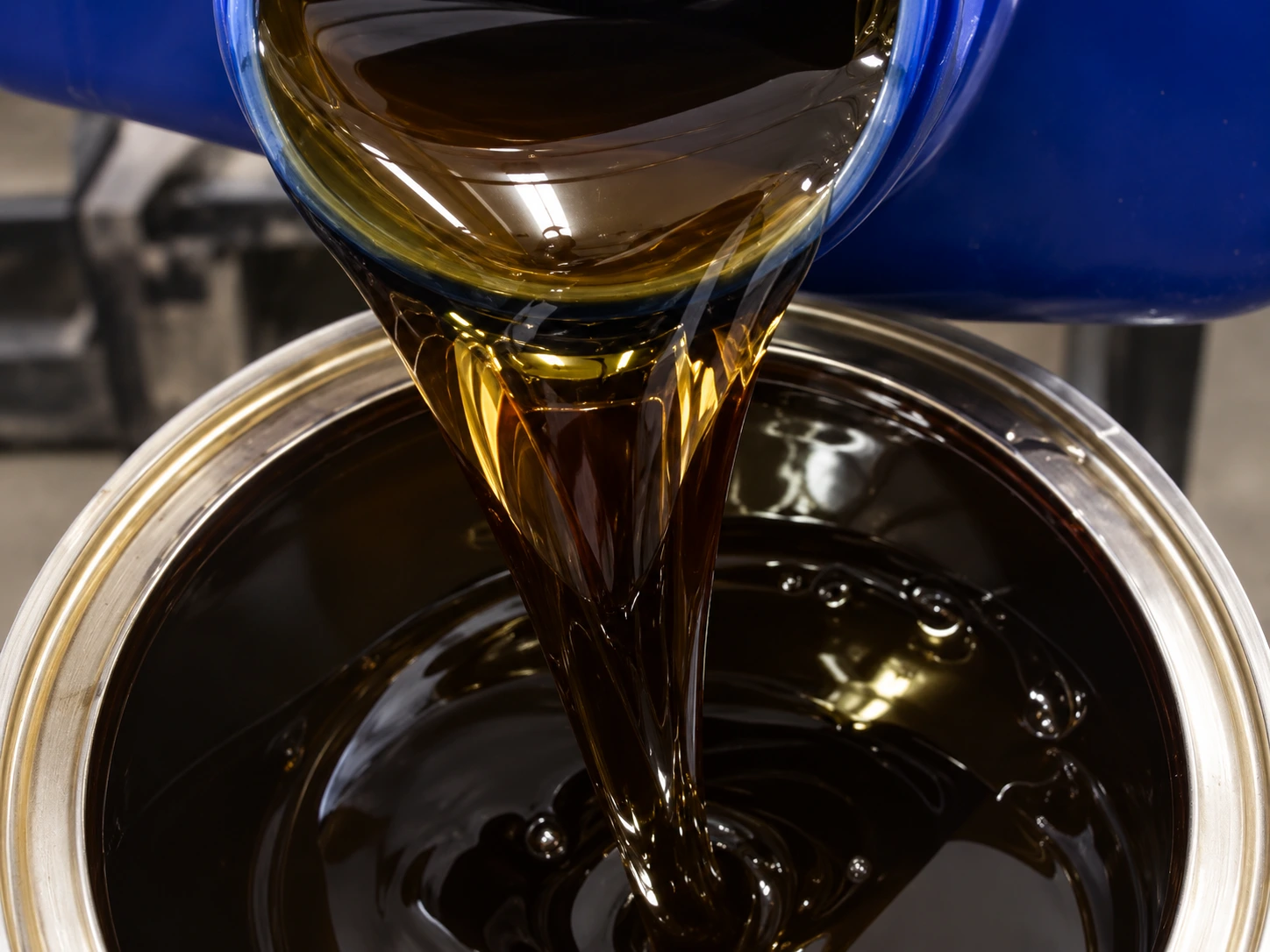
Many food liquids are processed as high-viscosity products like beef bone soup, beef sauce or oil-containing seasonings. Those paste-like liquids have poor fluidity and are not easily distributed in manufacturing. In spray drying dilute liquid materials with low viscosity and good fluidity are processed. Sticking paste can block nozzles, stick to walls and even processing becomes unstable. Traditional ovens are not designed for continuous manufacturing. Trays are loaded one after the other with doors closed and material is subject to vacuumizing and static drying for a long time. Material in thick layers on trays in vacuum ovens may dry too quickly at the top while the lower part of the layer is not dried enough yet, and may even cake or overflow.
The Importance of Preserving Flavor and Color
Seasonings are heat-sensitive liquid materials that require precise thermal management to maintain their active ingredients, aroma, and visual appeal. In conventional spray drying, the instantaneous temperature can reach 180 to 200℃. Exposing thermosensitive materials to such elevated heat may cause color oxidation, taste changes, or damage to volatile flavor profiles. For materials containing beneficial strains or nutritional components, excessive heat may lead to strain inactivation or damage to active ingredients. In order to minimize the adverse effects of high temperature on the material, it is necessary to decrease the temperature of evaporation. Therefore, preserving the original characteristics of liquid food additives and flavorings relies on adopting a milder, low-temperature dehydration process, that is vacuum belt dryer.
Minjie Vacuum Belt Dryer System: The Solution for Liquid & Paste
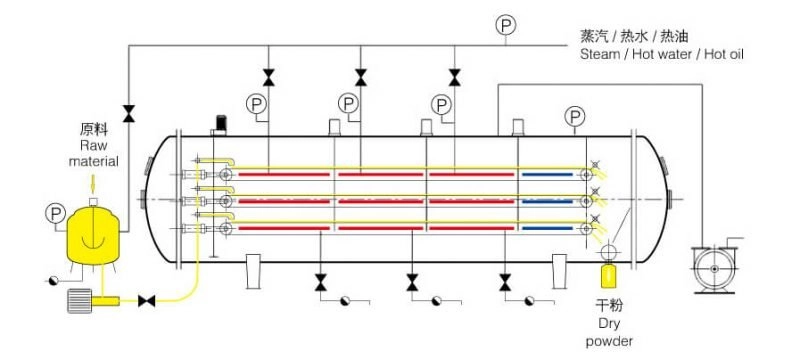
To address the difficulties of processing high-viscosity and thermoplastic materials, the continuous infeed and discharge vacuum drying equipment offers a targeted approach. The product is conveyed into the dryer body by an infeed pump and evenly spread on the belts by a distribution device. Operating under high vacuum lowers the boiling point of the liquid, allowing water to evaporate at reduced temperatures. The conveyor belts move steadily on heating plates, where heating media such as steam, hot water, or hot oil are utilized.
Practical Case Study: Drying Chicken Soup Base
Initial Sample and Processing Objective
In this evaluation, the target material is a highly viscous chicken soup base. The primary objective is to process this thick paste into a fine, high-quality powder while avoiding uneven spreading. Given the high oil content common in such food industry applications, transforming this soup base requires specialized handling to ensure the final product retains its natural appearance and target moisture.
The Drying Process in Action
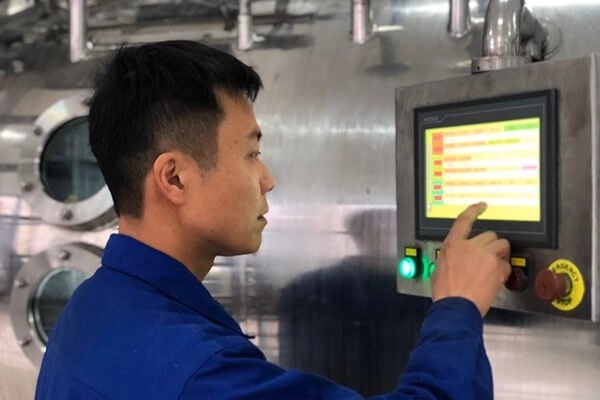
During the operational phase, the Minjie Machinery industrial drying equipment completes the drying, comminution, and granulation of the chicken soup base under a vacuum state. The product goes through evaporating, drying, and cooling sections before reaching a special vacuum crusher at the discharge end to produce different size end products. Because the entire drying process is observable and managed by a PLC control system, only one or two operators are needed on site to easily monitor the pipelined production of the soup base.
Confirmed Results and Application Value
As shown in the test video, the final chicken soup base powder demonstrates fast drying speeds with no product discoloration and zero flavor loss. We set up low temperature drying and concentration equipment test platform and provide free test service for clients who are interested in our products. Clients interested in similar outcomes are encouraged to utilize our test platform to evaluate their specific raw materials.
FAQ
Q: What types of viscous seasonings can be processed in this equipment?
A: The dryer is applicable to a wide variety of seasonings, particularly highly viscous raw materials similar to sauces, soup bases, and syrup.
Q: How does the vacuum belt dryer prevent flavor loss during processing?
A: Operating under a high vacuum lowers the boiling point of water, allowing the seasoning to dry at significantly lower temperatures. This gentle dehydration process helps prevent the high-heat degradation that can damage sensitive, volatile flavors and aromas.
Q: Can the equipment evenly spread highly sticky pastes like chicken soup base?
A: Yes. As demonstrated in our testing video, even highly viscous raw materials like chicken soup base can be evenly spread across the belts.
Q: Does the continuous drying process affect the color of the final seasoning powder?
A: No, the process results in zero product discoloration, helping to maintain the natural appearance of the material.
Q: Can we test our own liquid or paste seasoning samples before implementation?
A: Clients are encouraged to contact Minjie Machinery to arrange a practical test in the laboratory center for their specific viscous materials to confirm the drying results.