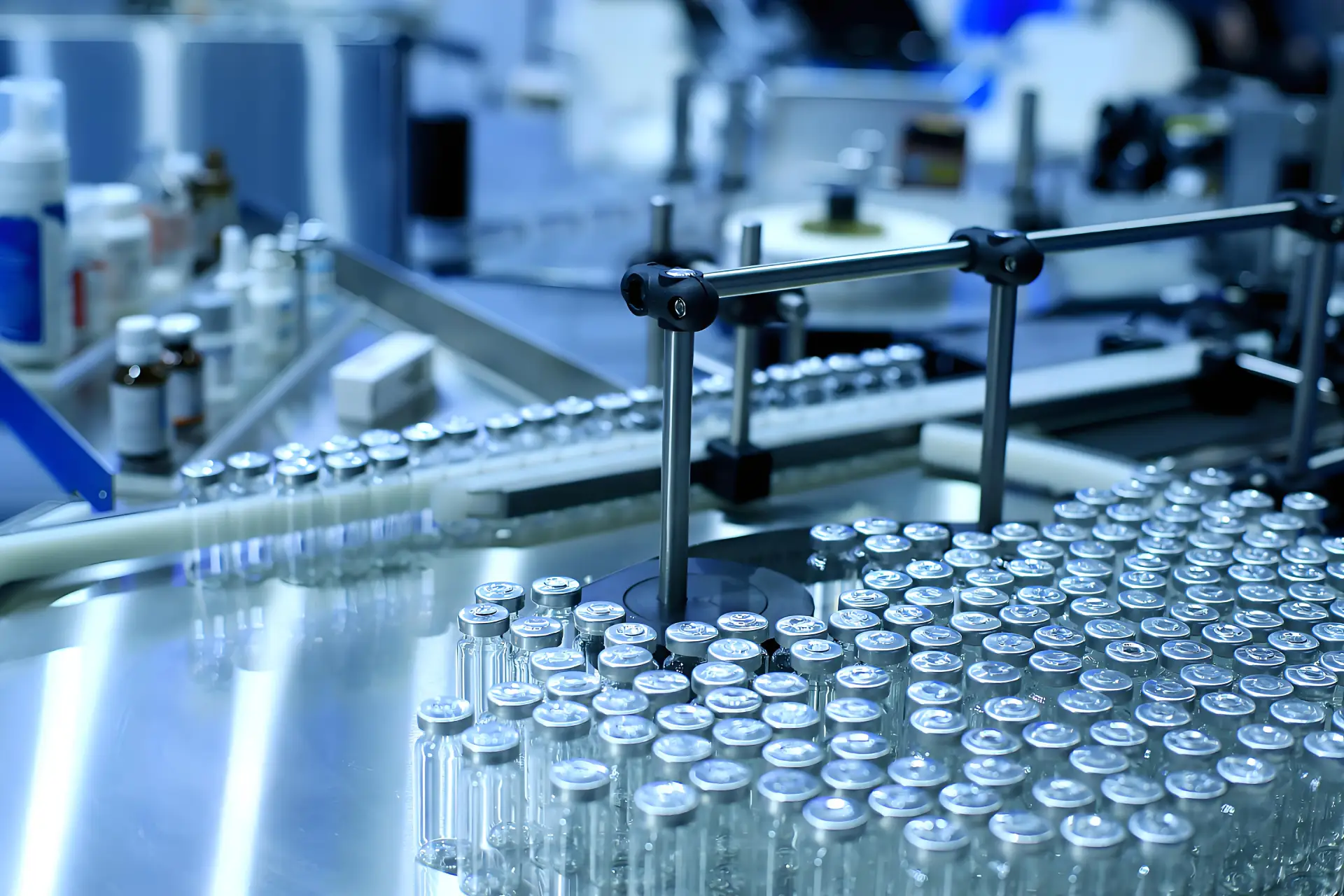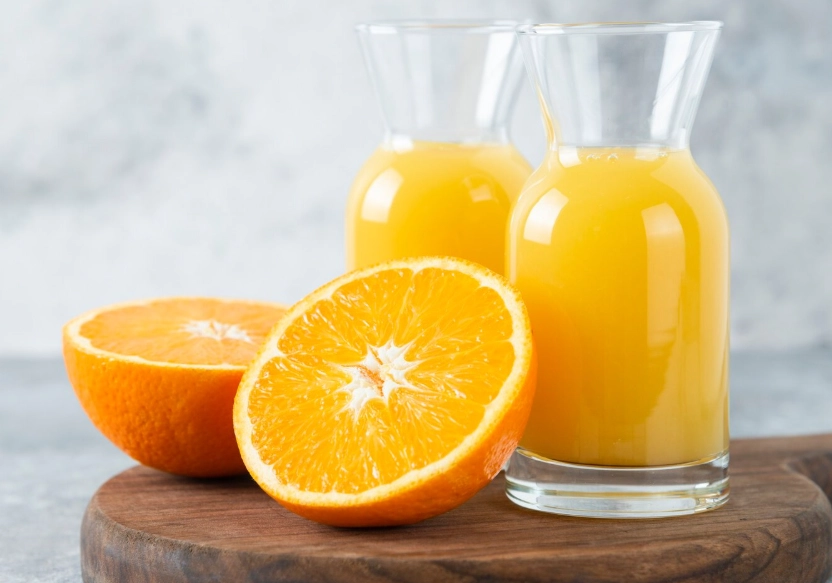
The Challenge of Concentrating High-Sugar Fruit Juices
In the food and beverage industry, removing water from high-sugar liquid materials is a critical process step. However, traditional concentration equipment often presents significant operational challenges. If relatively high-temperature concentration is used, the active ingredients, flavor, color, or quality of the material may be affected. High-sugar fruit juices, such as guava and pineapple, are highly heat-sensitive and tend to discolor and lose flavor under high temperature and uneven heating.
Furthermore, when some traditional concentration equipment handles high-viscosity materials, the material may adhere, coke, or block inside tubes or heat exchange components. This negatively impacts material flow and discharge.
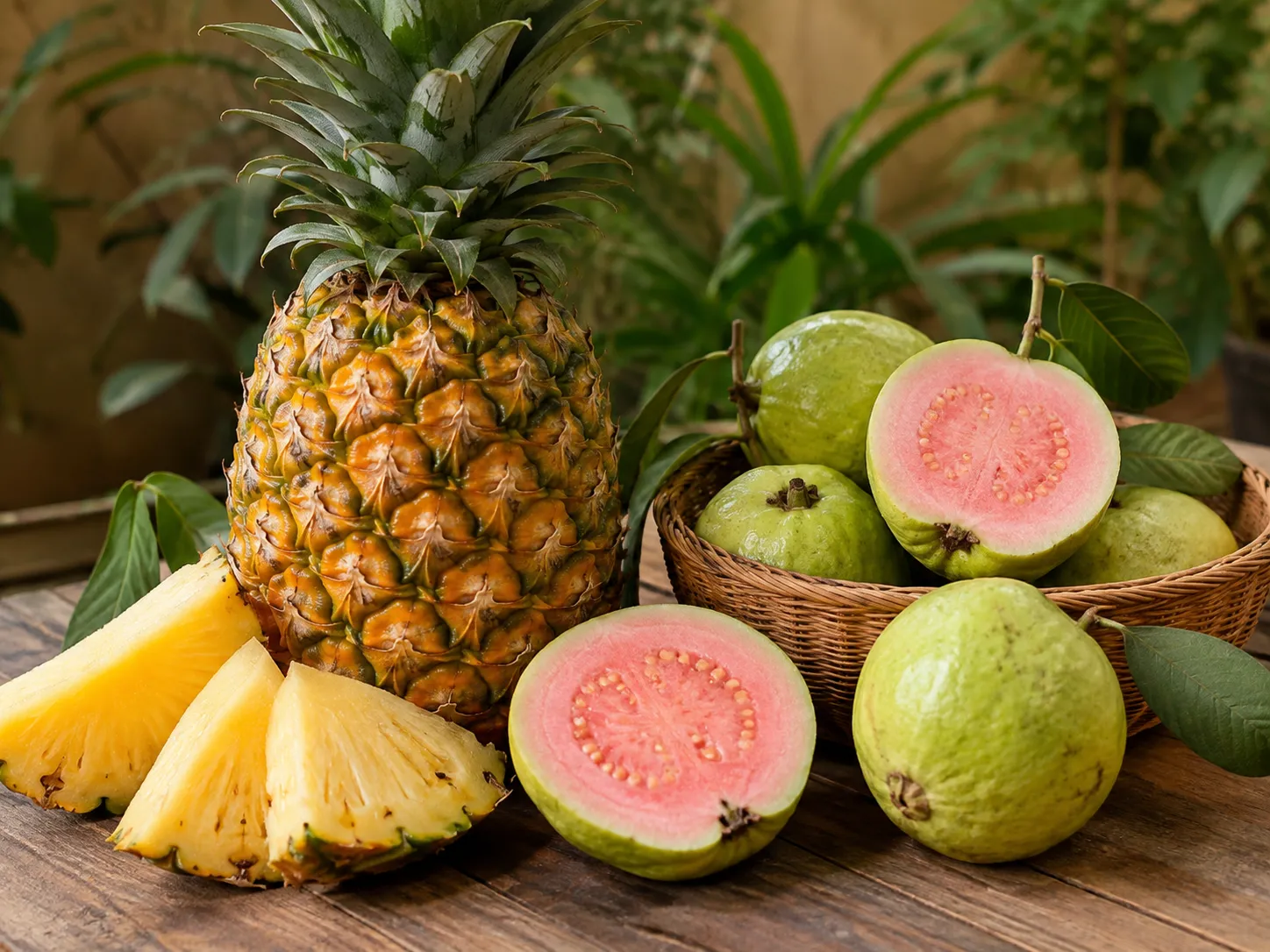
Video Case Study: Guava and Pineapple Juice Processing
Utilizing the Minjie Vacuum Low-Temperature Evaporator
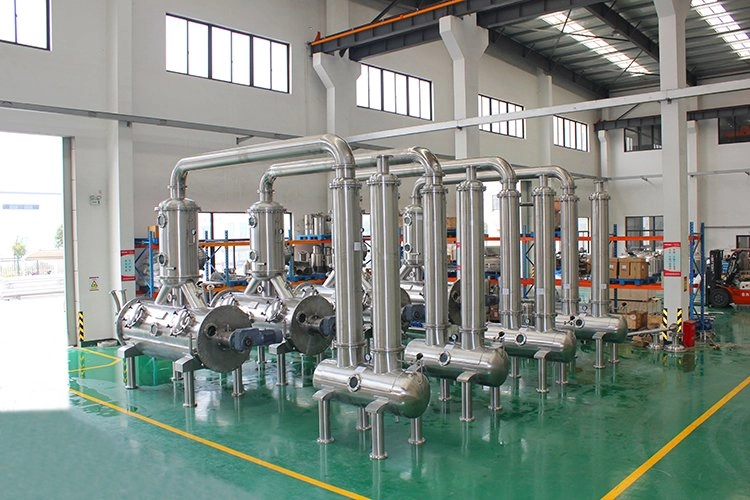
In a recent video case study, we demonstrated the concentration of guava and pineapple juices using our Vacuum Low-Temperature Evaporator. This equipment is a new concentrating equipment developed by Minjie Machinery to realize low-temperature evaporation through a high vacuum degree.
Inside the evaporator, there is a spinning roller. Hot water is used to heat the bottom of the evaporator and the spinning roller. Continuous spinning of the roller increases the evaporation area and speed, resulting in thin film evaporation. By continuous contact with the surface of the spinning roller, the raw thin material is heated to evaporate. From feed to discharge, the whole concentration process is continuous under a vacuum state.
Minjie designed this system so that there is no limitation of density, as long as the material possesses fluidity. It features an online density monitor that allows for the automatic discharge of finished materials. Furthermore, the system includes a CIP system for quick and thorough cleaning with no dead corner, fulfilling hygiene standards for food processing applications.
Quality Retention in the Final Concentrate
The concentrated guava and pineapple juices successfully retained their vibrant colors and original taste. Because of the low evaporation temperature in our equipment, it helps retain the active ingredients of the raw material.
At Minjie Machinery, we understand that preserving the color and flavor of these heat-sensitive ingredients is a core requirement for B2B customers. This allows us to provide reliable, automated, and continuous closed-process solutions that help reduce labor costs while maintaining high-quality output.
Testing the Vacuum Low-Temperature Evaporator for Your Juice Samples
For clients looking to upgrade their liquid material processing lines, our Vacuum Low-Temperature Evaporator is available in multiple specifications.
| Model | Heating Area (m²) | Evaporation Capacity (kg/h) | Power (kW) | Weight (kg) | Dimensions (L×W×H, m) |
| MJ-NS-3 | 3 | 60–100 | 3.9 | 1500 | 3.8 × 1.0 × 3.6 |
| MJ-NS-5 | 5 | 150–200 | 5.2 | 2200 | 5.2 × 1.0 × 4.2 |
| MJ-NS-10 | 10 | 300–400 | 6.0 | 3000 | 6.5 × 1.2 × 4.2 |
| MJ-NS-15 | 15 | 500–600 | 8.5 | 3800 | 6.5 × 1.2 × 4.5 |
| MJ-NS-20 | 20 | 600–800 | 11.0 | 5000 | 6.5 × 1.4 × 4.6 |
The power consumption listed above do not include the vacuum units, water chilling unit and hot water pump.
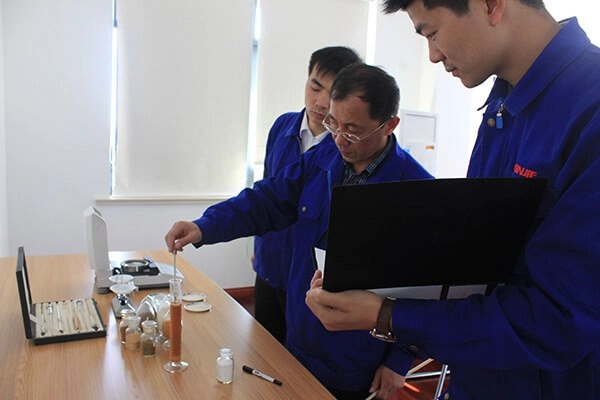
We have set up a low-temperature drying and concentration equipment test platform to assist our clients with their specific processing evaluations. Every year, more than 500 companies come to our test center for investigation and testing. We provide free test services for clients who want to evaluate how their specific heat-sensitive liquid materials respond to low-temperature evaporation. Pilot testing helps verify the final quality indicators and determine the actual evaporation amount required for your production line.
Frequently Asked Questions
Q: Is the vacuum low-temperature evaporator suitable for other high-sugar fruit juices?
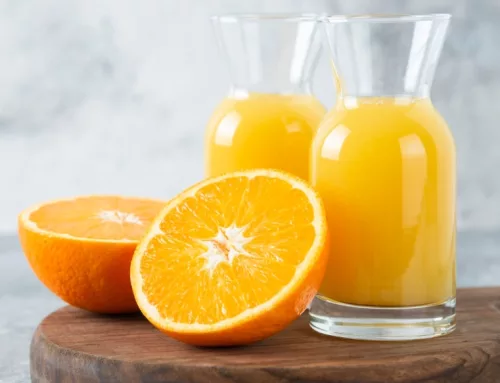
A: Yes, it is suitable for other high-sugar and heat-sensitive fruit juices that require a low evaporation temperature, such as mango or orange juice.
Q: How does a vacuum low-temperature evaporator operate to prevent flavor loss during juice concentration?
A: The equipment realizes low-temperature evaporation through a high vacuum degree, operating continuously at an adjustable concentration temperature of 20-50℃. This gentle processing environment helps protect the active ingredients of the raw material and preserve aroma and flavor.
Q: Will the low-temperature concentration affect the natural properties of the fruit juice?
A: No, it is designed to preserve the natural properties and active ingredients of the raw material.
Q: How can we test our specific fruit juice samples with Minjie’s evaporator?
A: Clients can utilize our laboratory center for pilot testing. We provide free test services, so you can evaluate how your specific material performs under targeted vacuum conditions, helping you determine the actual evaporation amount and product quality.