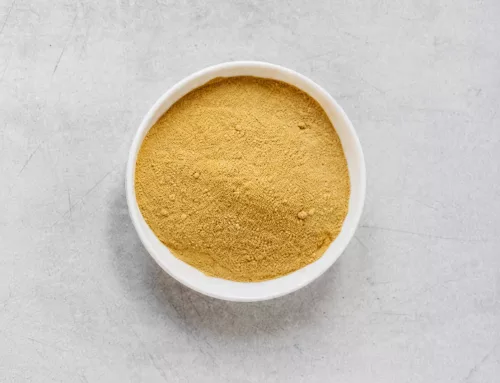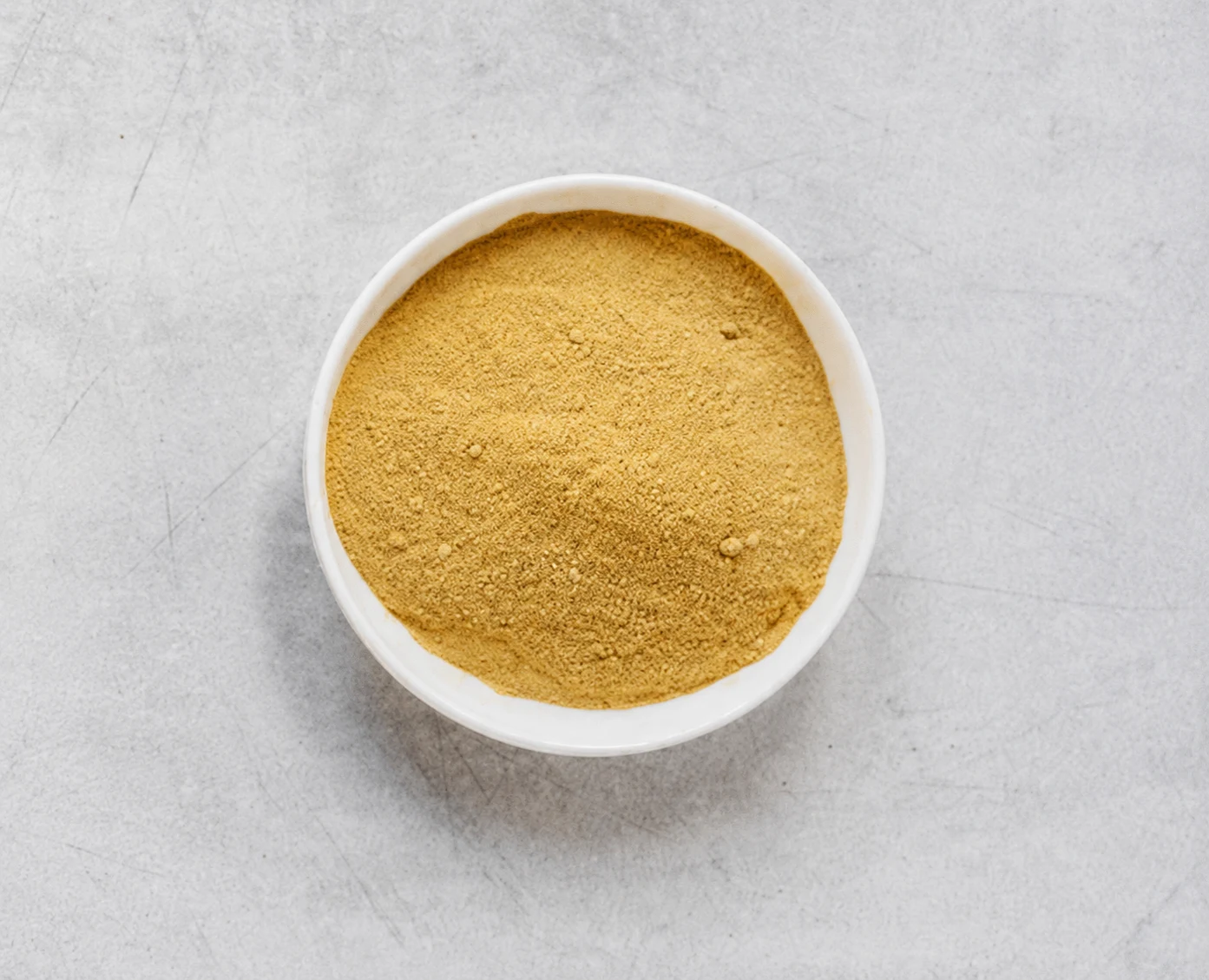
The Challenge of Drying Heat-Sensitive Fermentation Broth
Why Traditional Drying Fails for Fermentation Broth
Prolonged high-temperature drying in traditional batch-type equipment causes denaturation and inactivates critical active ingredients in the fermentation broth. Traditional vacuum drying usually requires materials to be loaded into the equipment tray by tray. After the door is closed, the equipment is vacuumized and heated, and the materials may need to stay inside for 6 to 8 hours or even a whole day before discharge. This static drying method exposes biological products to long heating times, which may lead to unstable product quality. If the material layer is too thick, the material close to the bottom of the tray may become overheated and darker in color, while the upper layer remains incompletely dried. Additionally, under high-temperature and dry conditions, this material tends to soften, become sticky, and clump together, making it difficult to pulverize.
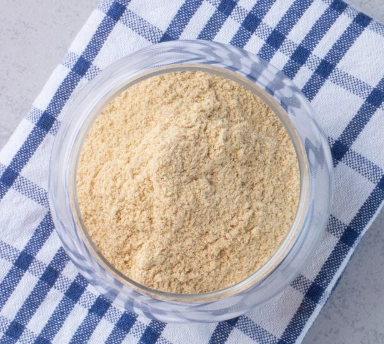
The Need for Fast, Low-Temperature Processing
The industry requires a method that achieves rapid moisture evaporation while keeping the temperature low enough to prevent denaturation of heat-sensitive materials; that is, a vacuum belt dryer.
Minjie Vacuum Belt Dryer: The Solution for Fermentation Broth
Minjie Machinery provides a continuous infeed and discharge vacuum drying equipment designed for liquid and paste materials. Under a high vacuum environment, the boiling point of the liquid is lowered, allowing water to evaporate at reduced temperatures. This system turns traditional static drying into a vacuum dynamic drying process, reducing drying time from 10 to 20 hours to just 30 to 60 minutes.
Practical Case Study: Processing Fermentation Broth
Automated Infeed Under Vacuum State
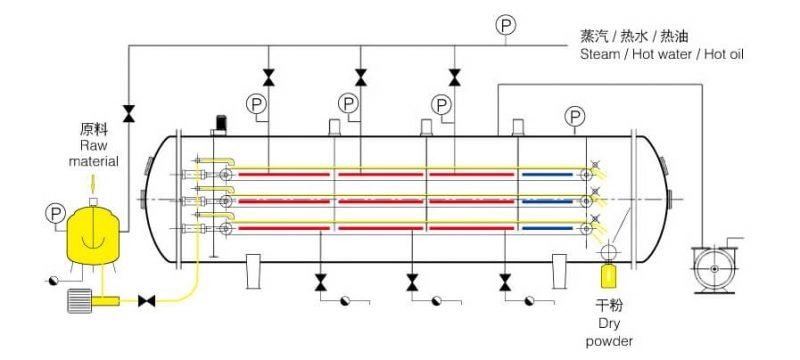
During the operation process, the feeding is isolated in a vacuum to maintain stability. As shown in our practical test video, the liquid fermentation broth is conveyed from the raw material tank into the dryer body by infeed pump. It is then evenly spread on the belts by a distribution device through nozzles.
Observing the Evaporation and Powder Formation
As the fermentation broth enters the dryer, we can observe its physical transformation from a liquid sprayed onto the belt to a state of continuous evaporation. The broth rapidly bubbles and evaporates as it moves evenly over the heating plates. The system adopts a temperature gradient design: a higher temperature in the front section improves evaporation efficiency for the high-moisture broth, while the temperature in the middle section is gradually reduced. In the back section, the equipment reduces the material temperature through a cooling section. Finally, the dried material is cut from the belt by the cutter and processed by a special vacuum crusher into dry powder.
These automated methods reduce operations such as manual tray loading, feed-in and discharge, material collection, and subsequent crushing.
Testing Your Own Fermentation Samples
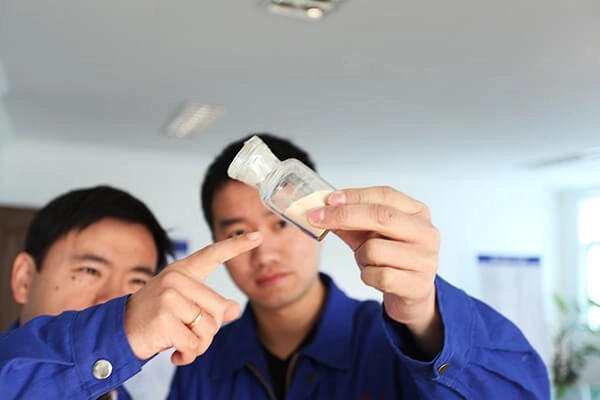
You can contact Minjie for practical testing of your own specific heat-sensitive broths to confirm the drying effect. One of our key advantages is our low-temperature drying and concentration equipment test platform, where we provide testing services for interested clients. Every year, more than 500 companies visit our laboratory center to verify whether their liquid materials can be properly dried into powder under different temperature and vacuum conditions. We recommend sending your material for testing in our laboratory to determine the specific drying effect.
FAQ
Q: Can the vacuum belt dryer handle different viscosities of fermentation broth?
A: Yes, Minjie Machinery’s Vacuum Belt Dryer for Liquid & Paste is suitable for drying materials with high viscosity, high sugar content, and easy agglomeration.
Q: How does the vacuum environment specifically help preserve active ingredients?
A: The vacuum environment lowers the boiling point of water. It allows the fermentation broth to dry rapidly at a much lower temperature compared to atmospheric drying. It helps protect heat-sensitive active ingredients from denaturation.
Q: What happens to the fermentation broth as it moves along the belt?
A: The broth rapidly bubbles and evaporates as it moves evenly over the heating plates, and the material then passes through a cooling section before being cut and crushed into powder.
Q: Is the entire drying process a completely closed system?
A: Yes, feeding, drying, and discharging are all carried out continuously under vacuum, which helps limit external contamination. It also equipped with a CIP cleaning system.
Q: What information should I prepare before requesting a drying test for my broth?
A: You can contact us, and we will provide you with a dedicated form to fill out. It is helpful to prepare basic details such as the solid content, desired target moisture content, and the specific temperature limits of your active ingredients to ensure an accurate testing process.