The Challenge of Drying Highly Viscous Food Pastes
Processing soybean paste and similar highly viscous seasoning pastes presents a significant technical challenge. These materials have poor fluidity and can be difficult to distribute and dry consistently. Spray drying equipment is primarily designed for dilute liquids with relatively low viscosity and good fluidity. When used for highly viscous, high-sugar, or high-oil seasoning pastes, problems such as nozzle blockage, wall sticking, and unstable drying performance may occur.
On the other hand, traditional vacuum ovens rely on a batch-type static drying process. In these ovens, operators must manually load the viscous paste onto trays layer by layer. If the material layer is too thick, the paste near the bottom may overheat and change color, while the upper layer remains inadequately dried. Furthermore, this static batch process typically takes 10 to 20 hours to complete, which significantly reduces production efficiency. Additionally, applying prolonged heat to thermosensitive food pastes can cause denaturation and lead to the degradation of delicate natural flavor profiles. Therefore, finding a continuous, lower-temperature dehydration solution is essential for managing sticky food pastes effectively.
Minjie Vacuum Belt Dryer: An Ideal Solution for Seasonings
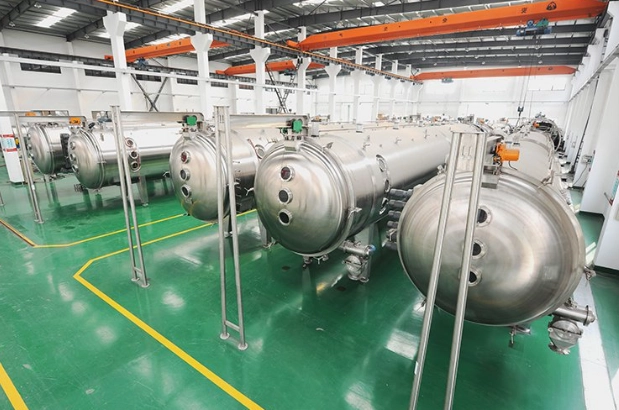
Handling Extremely Viscous Materials
To address the structural and operational limitations of traditional equipment, Minjie Machinery utilizes Vacuum Belt Dryer System for Liquid & Paste to process challenging food formulations. Our equipment is specifically designed to manage high-viscosity, easy-caking, and thermoplastic raw materials that cannot be efficiently dried by conventional methods.
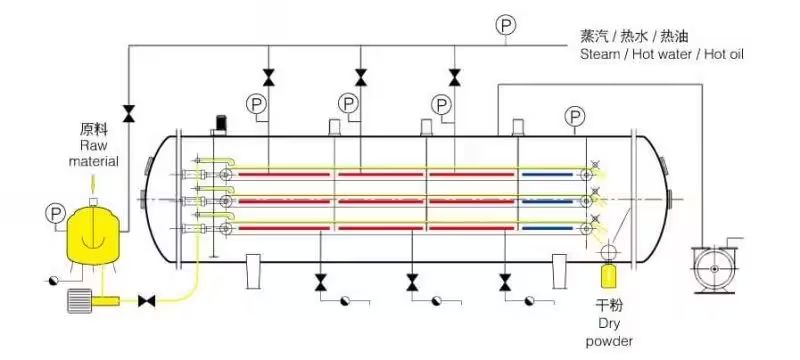
One of the core advantages is our ability to perform continuous feed-in, drying, granulation, and discharge under a vacuum state. The viscous paste is stored in a raw material tank and is quantitatively conveyed into the dryer body by an infeed pump. Instead of relying on manual tray loading, a specialized distribution device evenly spreads the thick material onto moving conveyor belts. The system operates as a relatively closed process and can be equipped with an online CIP cleaning system. This design reduces manual handling and external contact and supports GMP-related cleaning and hygienic design requirements. This design supports efficient, continuous production while reducing overall labor and energy consumption.
Protecting Flavor Profiles at Low Temperatures
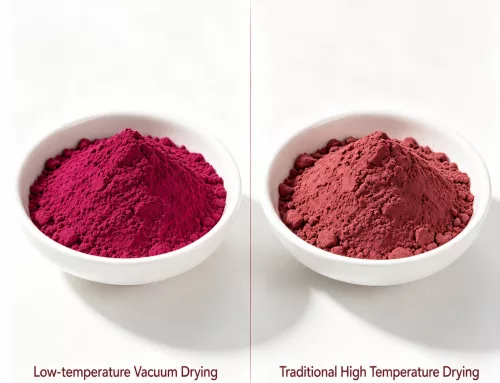
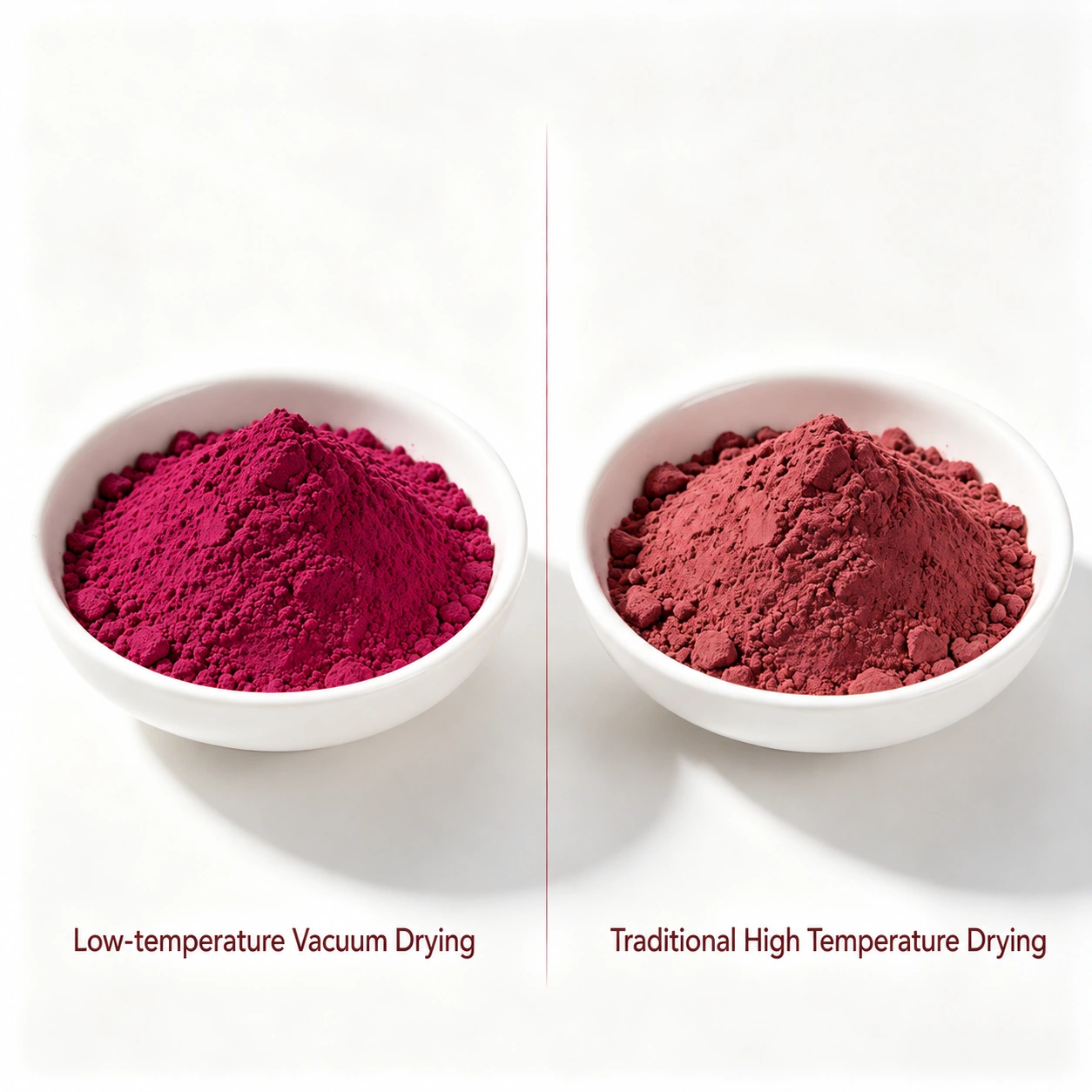
Preserving the flavor and color of heat-sensitive seasoning pastes requires controlled thermal exposure. The vacuum environment lowers the boiling point of water, allowing moisture to evaporate at lower product temperatures than in many atmospheric drying processes. This helps reduce thermal stress on flavor- and color-related quality attributes.
The system uses independently controlled heating sections to manage thermal exposure during drying. As moisture is removed, the heating conditions can be reduced toward the later sections, helping limit overheating, color changes, and excessive flavor loss in heat-sensitive seasoning pastes.
Practical Case: Processing Soybean Paste into Powder
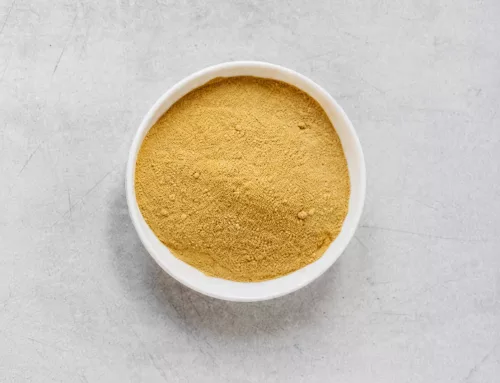
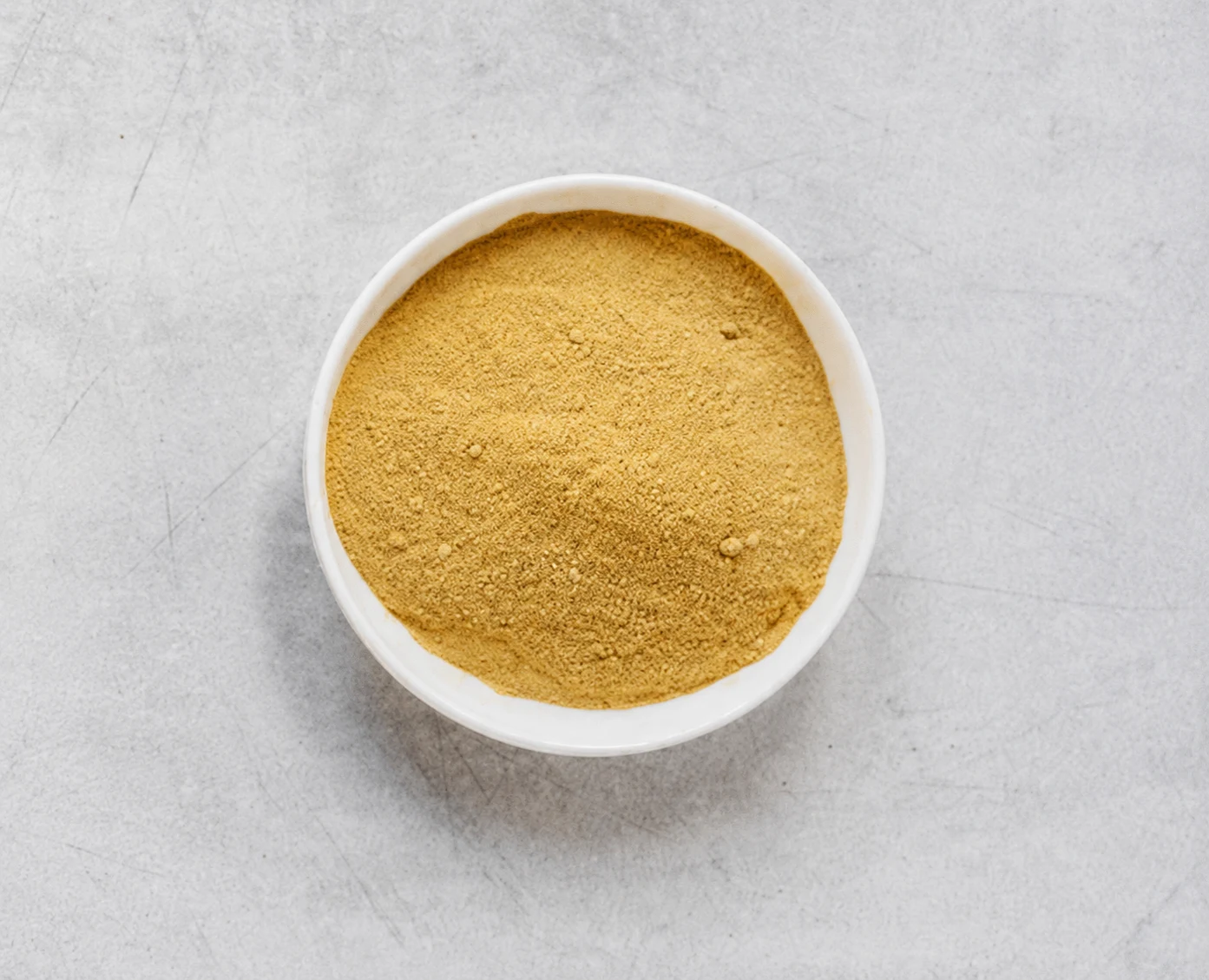
A practical application of our technology is the processing of soybean paste, which is known for its extremely viscous texture and rich, natural flavor. When subjected to traditional high-temperature drying, soybean paste easily loses its aromatic compounds and experiences severe color degradation. In this application case, our Vacuum Belt Dryer System was utilized to dehydrate the sticky material into a stable, high-quality powder.
The processing workflow follows these specific operational steps:
- The highly viscous soybean paste is loaded into the raw material tank and delivered by the feed pump.
- The distribution device evenly spreads the thick paste onto the continuous conveyor belts without clogging.
- The belts transport the paste across the heating plates under a high vacuum state, evaporating the moisture at a lower temperature to protect the natural flavor profiles.
- The material passes through the cooling section, reducing its stickiness before reaching the end of the belt.
- A special vacuum crusher at the discharge end automatically processes the dried layer into a fine, uniform powder.
Through this continuous closed-loop process, the viscous soybean paste is successfully transformed into a dry seasoning powder. The low-temperature vacuum environment preserves the natural flavor ingredients and color. The final product features excellent solubility and is ready to be automatically packed or transferred to subsequent manufacturing stages.
Explore Drying Solutions for Your Food Formulations
For R&D and production teams working with soybean paste or similar highly viscous seasonings, a material drying test can be used to evaluate feed distribution, drying behavior, and final product form. Minjie provides pilot drying tests for representative seasoning samples. Contact our technical team to arrange a test for a comparable viscous seasoning material.
Frequently Asked Questions
Q: Is the vacuum belt dryer suitable for other highly viscous seasonings?
A: Yes. It can also process other highly viscous seasoning pastes, thick sauces, and oil-containing seasoning formulations, like corn paste and chicken soup base.
Q: How does the equipment ensure the viscous paste dries evenly?
A: The system uses an infeed pump to deliver the liquid product and a specific distribution device to evenly spread the material onto the moving conveyor belts. The belts move at a consistent speed over the heating plates under a vacuum state, which helps ensure uniform heat transfer and steady moisture evaporation across the entire material layer.
Q: Will the drying process alter the natural flavor of my food paste?
A: The equipment operates under a high vacuum, which lowers the boiling point of the liquid. This mechanism allows the evaporation process to occur at lower temperatures, which helps reduce thermal damage, helps prevent denaturation, and preserves the original color and flavor ingredients of heat-sensitive materials.
Q: What is the final form of the product after processing a thick paste?
A: The discharge system can produce powder or granules. The final particle form is controlled by the cutter and crusher configuration.
Q: Can we arrange a drying test for our specific seasoning material?
A: Yes, we provide free pilot test services at our laboratory center. You can send your raw material samples to us, and our engineers will help determine the actual evaporation capacity, appropriate heating temperature, and suitable equipment model based on the test data.