The Impact of Heat on Thermosensitive Materials
The Challenge of Thermal Degradation and Loss of Activity
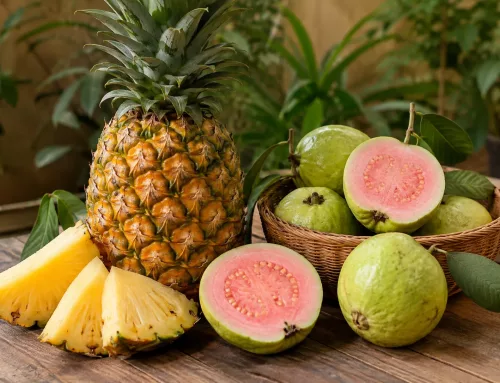
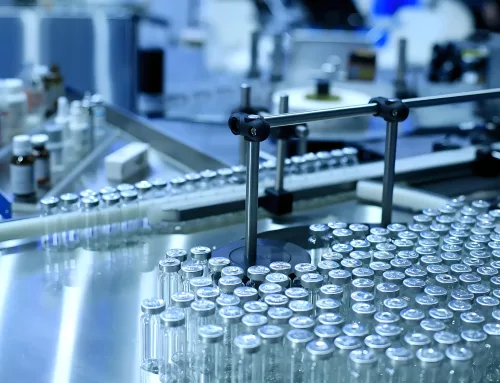
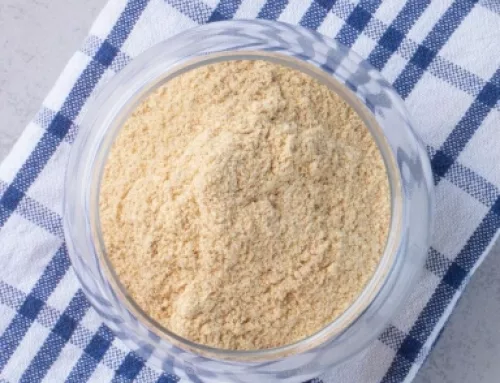
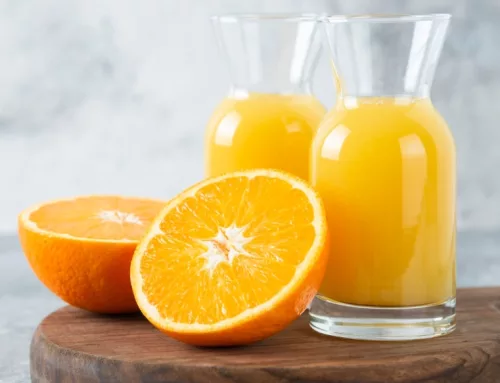
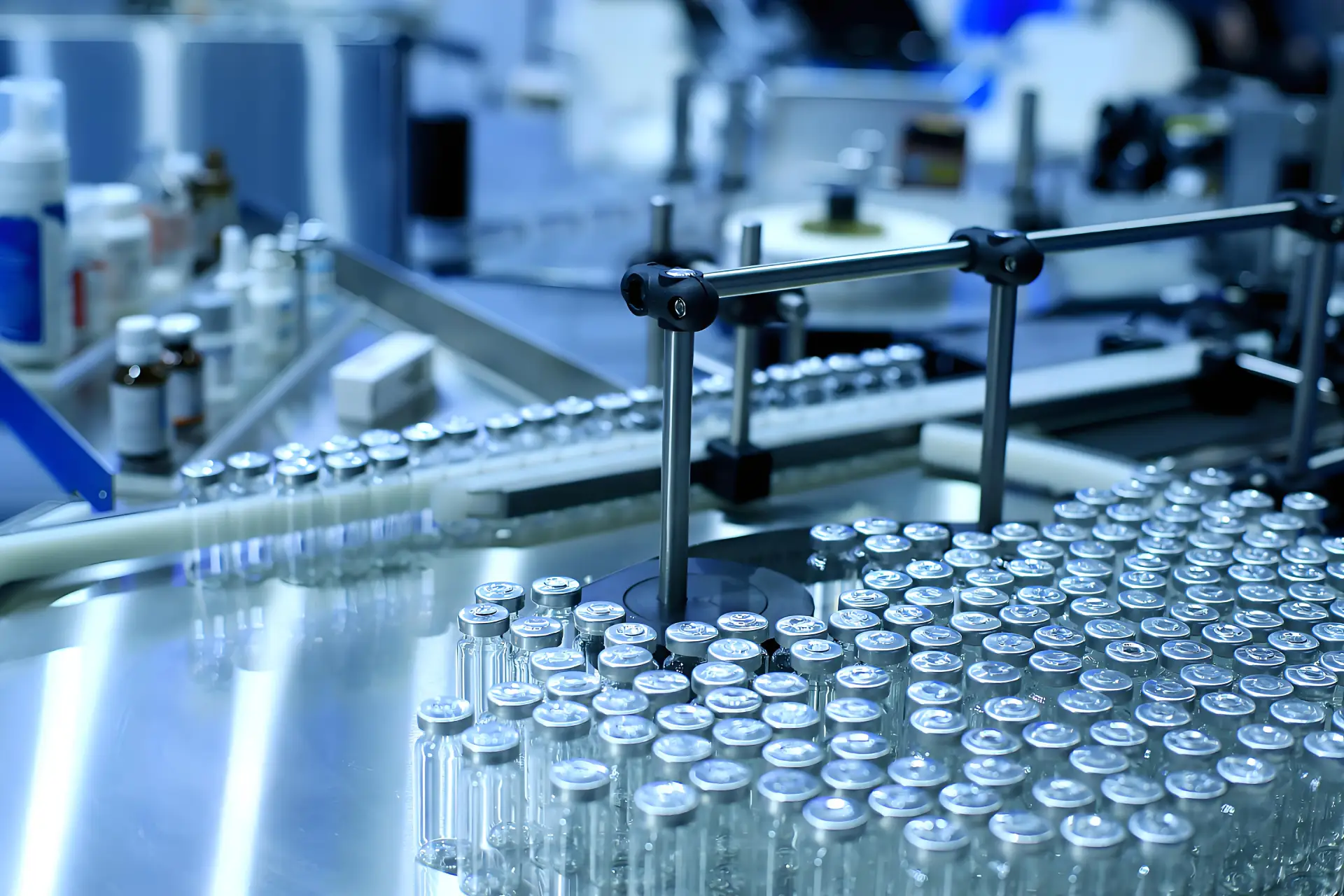
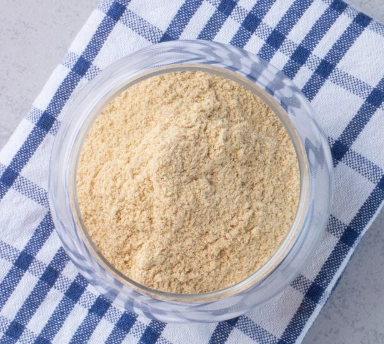
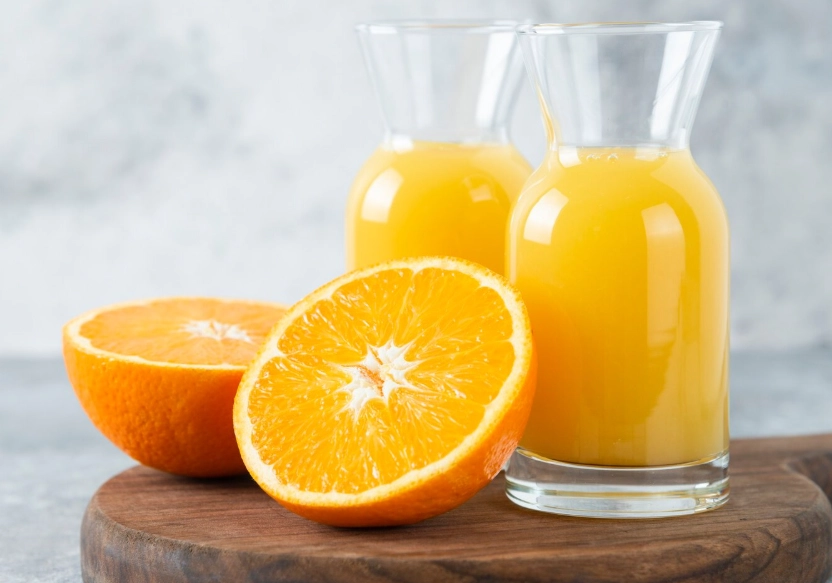
In pharmaceutical, food, and chemical processing, prolonged exposure to elevated temperatures can degrade heat-sensitive components and reduce product quality. Materials such as fruit juice, dairy liquids, instant tea extracts, herbal extracts, fermentation broth, enzymes, plant extracts, and biological products may experience activity loss or other thermal changes during conventional concentration. Traditional evaporation may also involve longer processing times, fouling, and reduced fluidity as the concentration increases. A vacuum low-temperature evaporator is therefore suitable for applications that require concentration at a lower temperature while keeping the feed sufficiently fluid for continuous processing.
Leveraging Vacuum to Lower Boiling Points
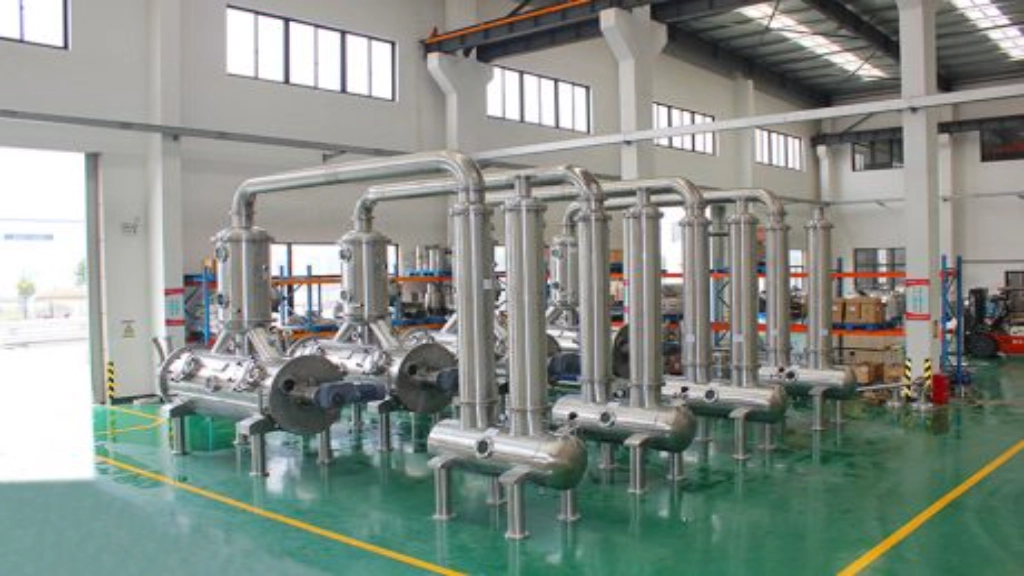
Vacuum evaporation reduces the absolute pressure inside the chamber, thereby lowering the boiling temperature of the liquid. The MJ-NS vacuum low-temperature evaporator operates continuously under vacuum and provides an adjustable concentration temperature of 20–50°C. This lower-temperature environment reduces prolonged thermal exposure and helps improve the retention of heat-sensitive components. The actual operating temperature should be selected according to the material properties, target concentration, fluidity, and required evaporation rate.
Core Criteria for Evaluating Evaporator Performance
Material Compatibility and Corrosion Resistance
When evaluating material compatibility, first confirm whether the feed remains sufficiently fluid and pumpable throughout the concentration process. The vacuum low-temperature evaporator is intended for thin, heat-sensitive liquids, while highly viscous, crystallizing, or strongly fouling materials may require material testing before model selection.
Corrosion resistance should be evaluated separately according to the feed composition, pH, chloride content, solvent type, operating temperature, and cleaning chemicals. Buyers should confirm the wetted-part material, surface finish, gasket material, and any special corrosion-resistant requirements with the equipment supplier.
Energy Efficiency and Operational Costs
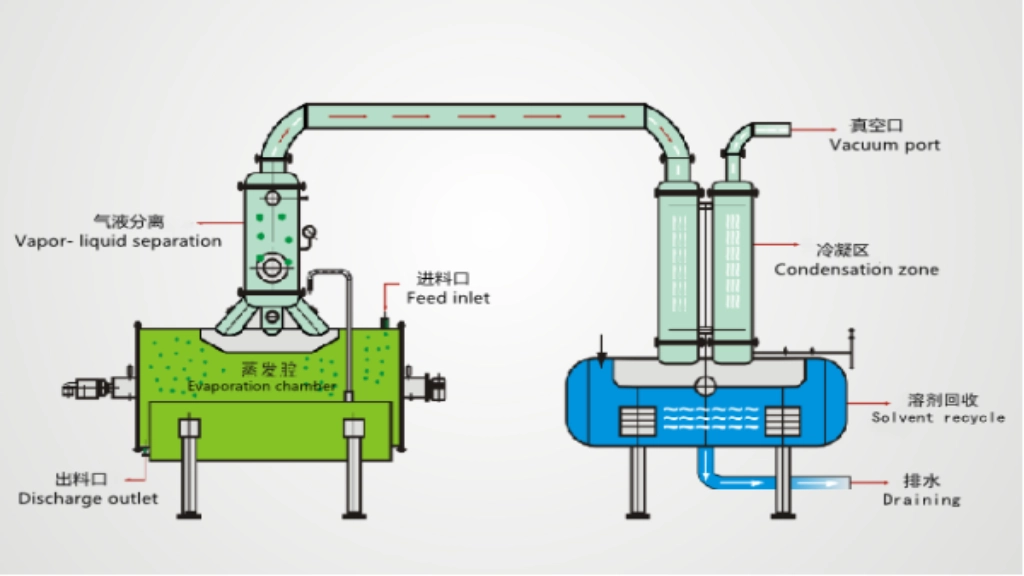
Compared with traditional concentration equipment that may require longer processing cycles, the vacuum low-temperature evaporator shortens concentration time, reducing prolonged equipment operation. From material feeding to product discharge, the entire process operates continuously under vacuum, reducing repeated material handling and routine operator involvement. This continuous operating mode can improve production efficiency and help control labor-related operating costs.
The Role of Automation in Modern Facilities
An automatic, continuous, and closed process can reduce routine manual intervention and improve process-control consistency. The online density monitor tracks the concentration level, and the system automatically discharges the concentrated product when the preset target is reached.
Customizing the System for Your Specific Application
Matching Processing Capacity with Concentration Ratios
To select the appropriate model, buyers should evaluate the required evaporation capacity against the desired concentration target and actual processing conditions. Heating area, feed rate, fluidity, fouling tendency, and available utilities all affect actual performance, so model specifications should be evaluated together rather than as isolated figures during selection.
- The MJ-NS series operates at a nominal vacuum pressure of −0.098 MPa and provides an adjustable working temperature of 20–50°C.
- MJ-NS-3 has a 3 m² heating area, 3.9 kW main-unit power, and a water evaporation capacity of 60–100 kg/h.
- MJ-NS-5 has a 5 m² heating area, 5.2 kW main-unit power, and a capacity of 150–200 kg/h. MJ-NS-10 has a 10 m² heating area, 6 kW main-unit power, and a capacity of 300–400 kg/h.
- MJ-NS-15 has a 15 m² heating area, 8.5 kW main-unit power, and a capacity of 500–600 kg/h. MJ-NS-20 has a 20 m² heating area, 11 kW main-unit power, and a capacity of 600–800 kg/h.
Tailoring Your Evaporation Solution with Minjie Machinery
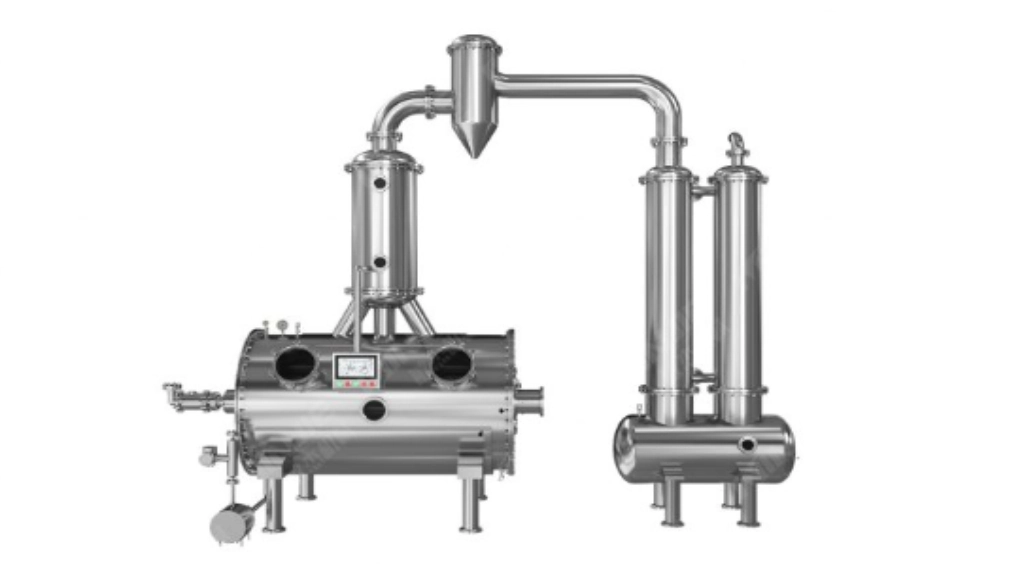
When integrating a concentration system into a production line, Minjie Machinery provides engineering configurations designed to optimize the handling of sensitive materials. Minjie equipment offers an adjustable concentration temperature of 20–50°C and operates at lower temperatures than those used in traditional single-effect or multi-effect concentration systems. During operation, the rotating roller heats the material while the equipment maintains a high vacuum level, and Its closed process design provides significantly better sealing performance than conventional concentration equipment. Because the roller rotates continuously, the equipment performs dynamic concentration, allowing the low-viscosity feed material to be heated evenly through continuous contact with the roller surface. Furthermore, under high-vacuum conditions, the equipment is designed to support continuous feeding and discharge. This continuous operating mode makes the equipment well suited for integration with subsequent drying equipment, such as the vacuum belt dryer.
FAQ
Q: How does an automatic low-temperature evaporator system lower operational costs?
A: The equipment can lower operating costs through an automatic, continuous, and closed process. It is equipped with an online density monitor that facilitates the automatic discharge of finished materials, reducing the need for constant manual intervention. Additionally, the system includes solvent recycling capabilities, which help decrease ongoing material consumption.
Q: Are unmanned low-temperature evaporator equipment safe for continuous industrial operation?
A: The MJ-NS system supports continuous feed and discharge, online density monitoring, automatic discharge, CIP, and closed vacuum operation. These features can reduce routine manual intervention, but they do not make the equipment inherently suitable for completely unattended operation. Site-specific alarms, interlocks, operating procedures, cleaning verification, inspection, and maintenance requirements must be established before continuous industrial use.
Q: Why is a vacuum environment essential when concentrating heat-sensitive liquids?
A: Reducing the absolute pressure lowers the boiling temperature of the liquid, allowing evaporation at an adjustable concentration temperature of 20–50°C. This reduces thermal exposure and can help preserve heat-sensitive components compared with concentration at higher temperatures. Product protection still depends on the material properties, operating temperature, residence time, and concentration target.
Q: What is the operating temperature range of an evaporator for thermosensitive materials?
A: The MJ-NS vacuum low-temperature evaporator provides an adjustable concentration temperature of 20–50°C. The operating setpoint should be selected according to the liquid properties, heat sensitivity, fluidity, target concentration, and required evaporation rate. The equipment is intended for thin, heat-sensitive liquids used in pharmaceutical, food, and chemical processing.