The Core Challenge of Drying Probiotics
Why Conventional Drying Methods Denature Probiotics
When processing heat-sensitive probiotics and biological fermentation broths, preventing thermal inactivation is the primary goal. Conventional spray drying was unsuitable because its hot air reaches instantaneous temperatures of 180 to 200℃. Similarly, relying on traditional vacuum ovens required 10 to 20 hours of static heating per cycle. This prolonged thermal exposure often leads to uneven moisture distribution—overheating the bottom layer while leaving the upper layer moist—and causes the denaturation of active ingredients, failing to meet the required quality standards.
The Cost and Time Limitations of Freeze Drying
Though freeze drying can protect heat-sensitive liquid materials and preserve bacterial viability, it requires placing probiotic materials on individual trays for batch processing, making continuous production impossible. The production cycle is very long, which leads to elevated labor costs and intense energy consumption. To resolve these cost and time limitations, a continuous drying solution was required.
Minjie Vacuum Belt Dryer in the Probiotics Case
Applying Low-Temperature Vacuum Continuous Drying
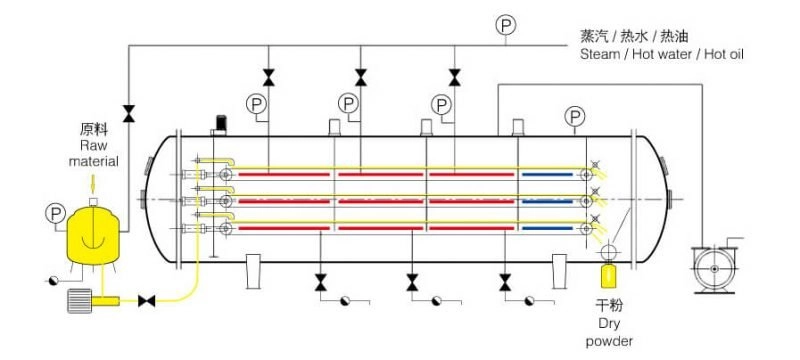
The Minjie Vacuum Belt Dryer for Liquid & Paste processes the heat-sensitive probiotic liquid by creating a high-vacuum environment, which significantly lowers the boiling point of the liquid and allows moisture evaporation at much lower temperatures.
The Feeding and Foaming Process
The system evenly distributes the liquid probiotic material onto the moving conveyor belts through its nozzles. As it moves continuously through the heating sections under high vacuum, the liquid material foams before forming a highly porous dry cake.
Confirmed Results: Better Viability and Efficiency
Keeping Active Probiotics from Denaturation
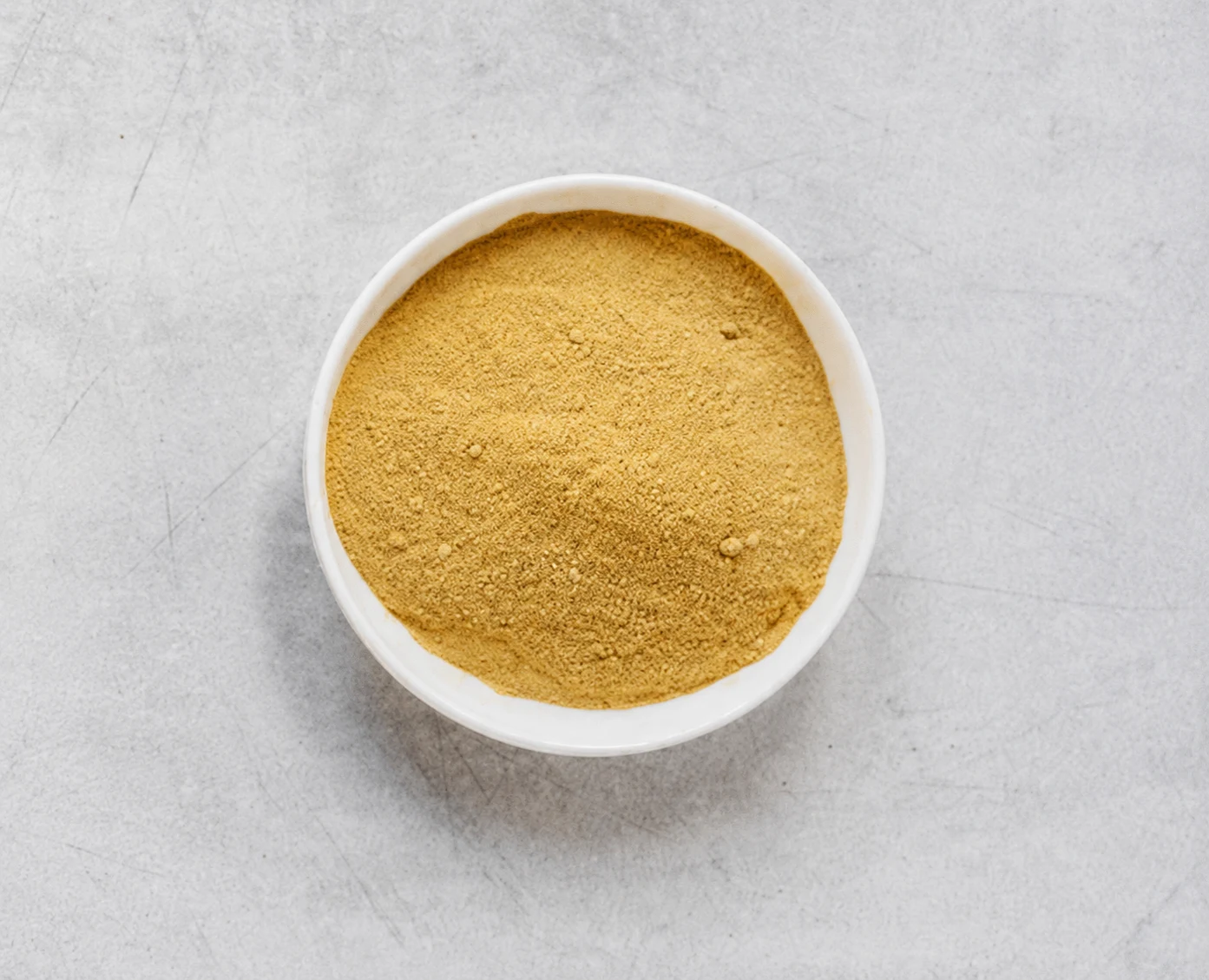
The application of this continuous low-temperature vacuum drying process helps reduce the thermal degradation of probiotic cultures. Because the drying temperature can be adjusted to operate at lower ranges, the active bacterial strains are not subjected to the severe high temperatures found in conventional hot air dryers. The final product is continuously discharged as a porous solid that can be crushed into a specific mesh size, to help improve instant solubility.
Achieving Lower Energy Cost and Shorter Processing Time
- Minjievacuum belt dryer is designed to operate at adjustable lower temperatures (30-300℃).
- The operational expense of this continuous process is approximately one-third of a vacuum oven or spray dryer, and one-sixth of a freeze dryer.
- Our equipment is designed to discharge dry powder continuously after 30 to 60 minutes.
- Our equipment is equipped with PLC automatic control system & CIP cleaning system
Schedule a Customized Drying Test for Your Sample
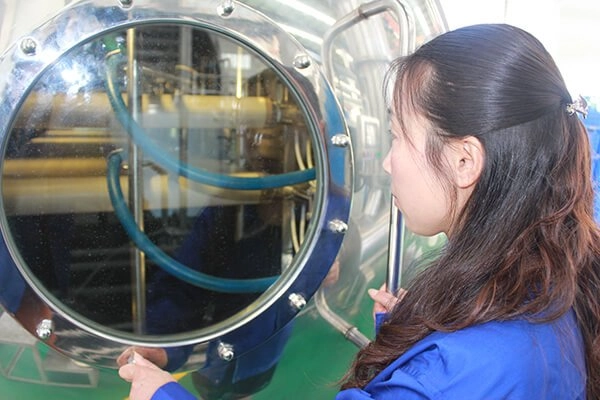
Because probiotic strains and biological fermentation broths vary in solid content and viscosity, Minjie has established a dedicated laboratory testing center where users can verify whether their specific liquid materials are suitable for continuous vacuum dehydration.
Frequently Asked Questions
Q: How does the equipment prevent denaturation?
A: By operating at adjustable low temperatures, the continuous drying process directly protects the active cultures from thermal inactivation.
Q: Can this continuous drying method replace freeze drying for probiotics?
A: Yes, it serves as a highly efficient alternative for industrial scale-up. While freeze drying is a batch process with a long production cycle, this vacuum continuous drying equipment helps reduce processing time to 30 to 60 minutes and lowers operating costs to approximately one-sixth of a freeze dryer.
Q: How can I arrange a practical drying test for my specific probiotic strain?
A: You can send your material samples to our testing center. Our technical team will conduct a pilot test based on your specific solid content and desired final moisture level.