Working Principles: Vacuum Belt Dryer vs Vacuum Cone Dryer vs Vacuum Drum Dryer vs Vacuum Harrow Dryer
Vacuum Belt Dryers
Liquid or paste materials are spread uniformly across several moving conveyor belts by means of an infeed pump. A vacuum environment lowers the boiling point of the liquid to a great extent. Moisture therefore leaves the material at a quick pace while the material travels across heating plates. The material moves through evaporation, drying, and cooling stages in sequence. Discharge finally occurs by way of a specialized vacuum crusher at the discharge end.
Vacuum Cone Dryers
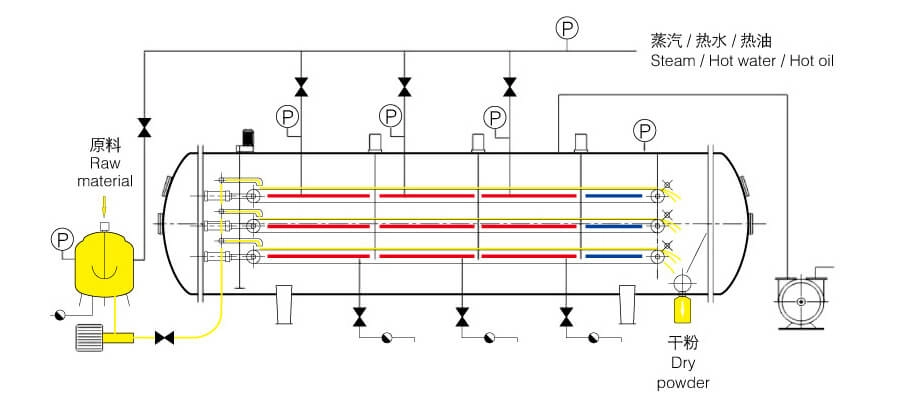
These are predominantly double-cone rotary systems that rely on batch processing. They utilize the rotation of the geometric vessel to tumble the material, providing heating through the jacket wall. While suitable for free-flowing crystals and standard powders, this equipment is unsuitable for viscous or high-viscosity materials, as the tumbling action causes pastes to agglomerate, resulting in uneven drying and localized overheating.
Vacuum Drum Dryers
This equipment processes materials with a heated rotating cylinder. The material forms a thin film on the outer wall of the drum. Drying takes place under vacuum during rotation. A stationary scraper removes the dried layer at the end.
Vacuum Harrow Dryers
These are horizontal batch processing units equipped with a heating jacket and a central rotating shaft featuring stirring teeth (harrows). The harrow teeth rake and mix the material on a continuous basis. This action brings the material into contact with the heated wall. The units show superiority to standard cone dryers when handling pastes and slurries. The units still face delays which come with batch processing. High-viscosity materials tend to entangle on the harrow shaft. Such entanglement lowers heat transfer efficiency. Such entanglement also raises cleaning difficulty.
Production Efficiency: Continuous Operation vs. Batch Processing
Vacuum belt dryer shortens the 10 to 20 hours of processing time that traditional batch equipment normally needs. The time drops to 30 to 60 minutes. It integrates a PLC automatic control system and a CIP (Clean-In-Place) system, which eliminates sanitary dead corners and reduces labor intensity. The fully automated setup supports continuous feeding, drying, granulating, and discharging under vacuum conditions. This eliminates the downtime caused by the frequent starts and stops of batch operations, ensuring a stable daily output for large-scale manufacturing and lowering labor costs.
Challenges and Efficient Drying Solutions
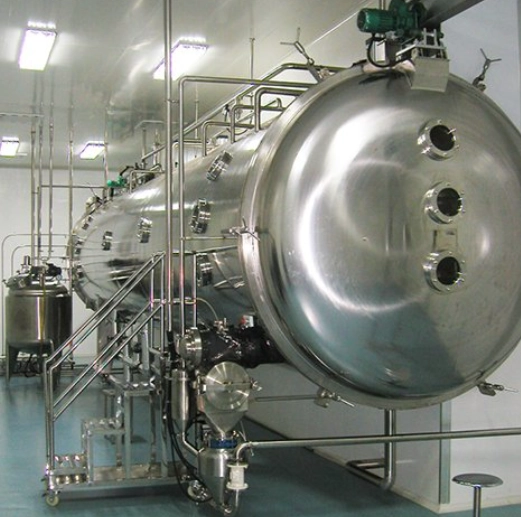
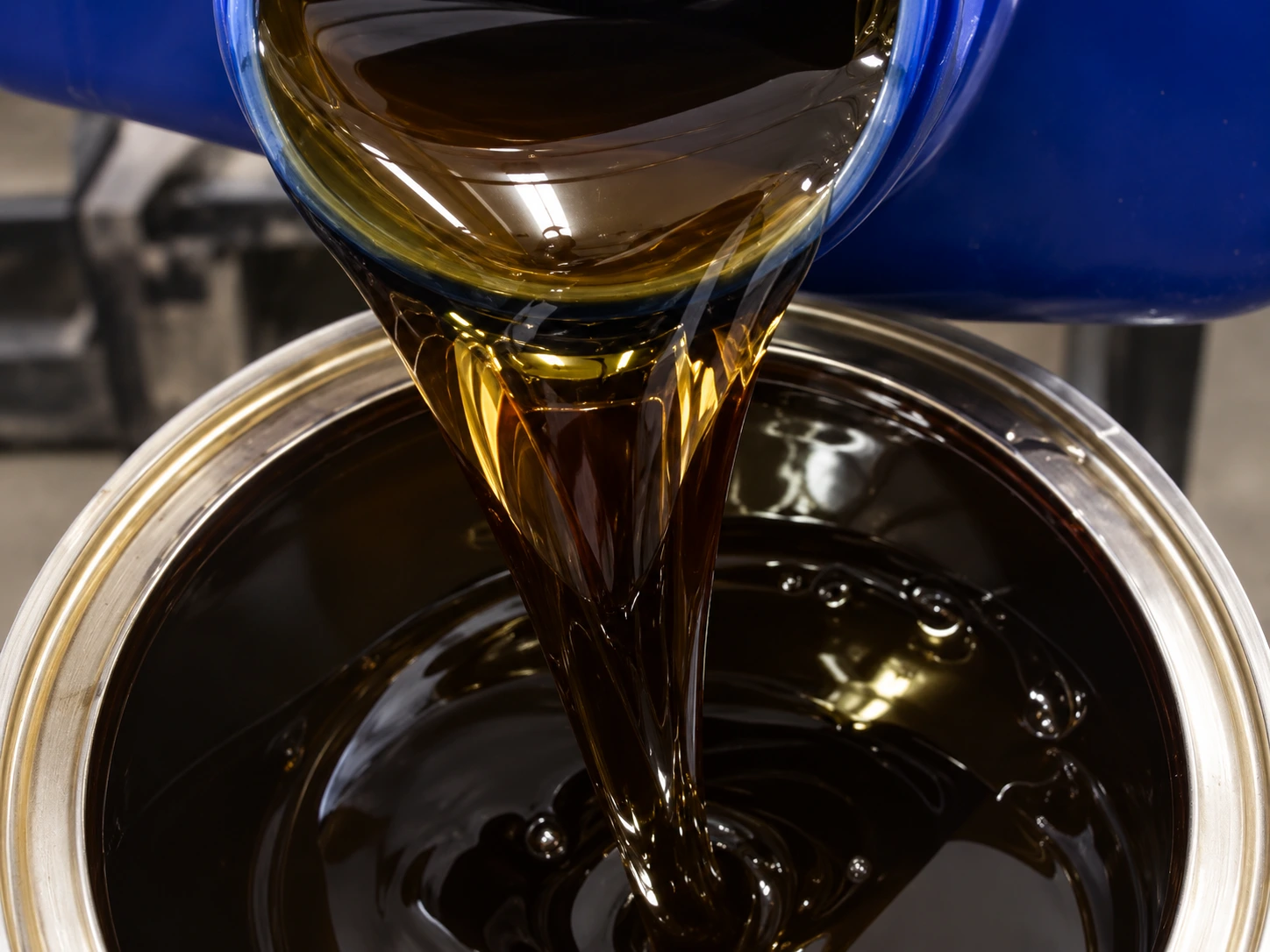
In industries such as food, chemicals, and biotechnology, processing heat-sensitive and high-viscosity materials (like malt extract and chocolate paste) presents a significant challenge. High-temperature can easily cause the denaturation or degradation of active ingredients, while high-viscosity materials are prone to agglomeration, wall sticking, and pipeline blockages, directly impacting the product’s color, solubility, ingredient retention, and market value. Traditional static drying ovens or batch systems typically require 10 to 20 hours to complete the drying process, and this prolonged heating further exacerbates the loss of heat-sensitive components.
In contrast, modern continuous vacuum drying equipment shortens the drying time to 30 to 60 minutes through a high-vacuum environment and a continuous feeding and discharging mechanism, effectively preserving heat-sensitive ingredients. Evaporation takes place at lower temperatures under vacuum conditions. Heating temperature adjusts between 30°C and 300°C, protecting active ingredients from destruction and yielding powders or granules with excellent solubility. Concurrently, the fully enclosed system prevents external contamination and recovers organic solvents. Efficient, safe, and eco-friendly continuous drying stays in place throughout the operation.
How to Choose the Right Vacuum Drying Equipment for Your Plant
When to choose a Vacuum Cone, Drum, or Harrow Dryer
Standard batch equipment stays suitable when the plant handles only stable, free-flowing, and non-sensitive solid materials in small, infrequent batches. A harrow dryer fits situations that require constant stirring without continuous production. Traditional models work well when the factory does not need closed-loop solvent recovery, high-speed continuous output, or strict temperature control.
When to upgrade to a Continuous Vacuum Belt Dryer
Facilities should immediately consider upgrading if they encounter the following bottlenecks:
- Processed biological products, plant extracts, or food additives show degradation under traditional oven heating.
- Raw materials turn thermoplastic, highly viscous, or prone to clumping. These conditions cause frequent maintenance and quality problems with traditional equipment.
- Processing raw materials that oxidize easily, catch fire, explode, or carry high toxicity also points to the need for change. The fully closed vacuum belt dryer meets strict GMP standards, lowers labor costs, reduces product loss, and allows solvent recovery.
Minjie Machinery: Your Partner in Advanced Vacuum Drying Solutions
Core Pillars of Manufacturing Expertise
Minjie Machinery started in 1998. We lead in the manufacture of continuous advanced vacuum dryers and energy-saving evaporators. Operations take place in a 58,000-square-meter facility. We hold 5 invention patents and 56 utility model patents. Service reaches more than 600 users worldwide.
Continuous Liquid and Solid Drying Series
Minjie supplies five main product series that carry proprietary intellectual property rights. The range includes over 30 models of vacuum belt dryers for liquid & paste and vacuum belt dryers for powder & particle.
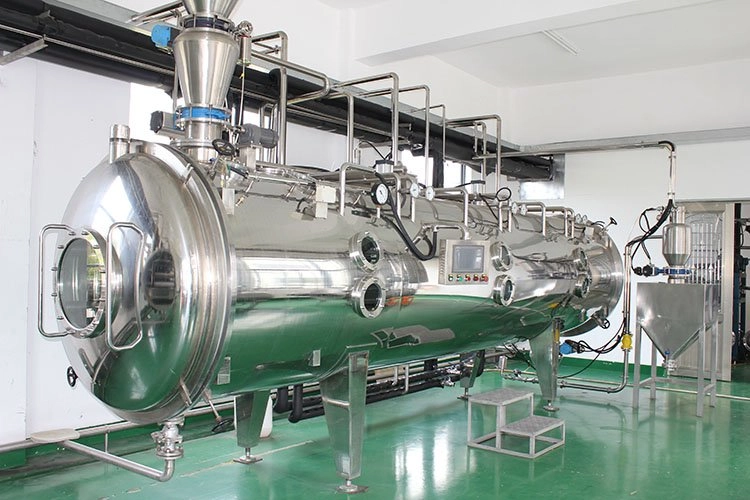
The MJY series supplies exact solutions for liquid states at specific capacities.
- The MJY60-6 model features a 60 square meter heating area and evaporates 45 to 55 kilograms of water each hour.
- The MJY200-10 model uses a 200 square meter heating area and evaporates 160 to 180 kilograms of water each hour while drawing 25.50 kilowatts of power.
The MJG series handles solid and particle drying with 3 to 11 layers of conveyor belts. Constant stirring under vacuum speeds evaporation.
- The MJG15-3 model uses a 15m² heating area and a 3-layer belt system. The model evaporates 8 to 12 kilograms of water each hour while drawing 6.00 kilowatts of power.
- The MJG220-11 model uses a 220m² heating area and an 11-layer belt system. The model evaporates 120 to 150 kilograms of water each hour while drawing 19.00 kilowatts of power.
Frequently Asked Questions (FAQ)
Q: What are the main applications of a vacuum belt dryer?
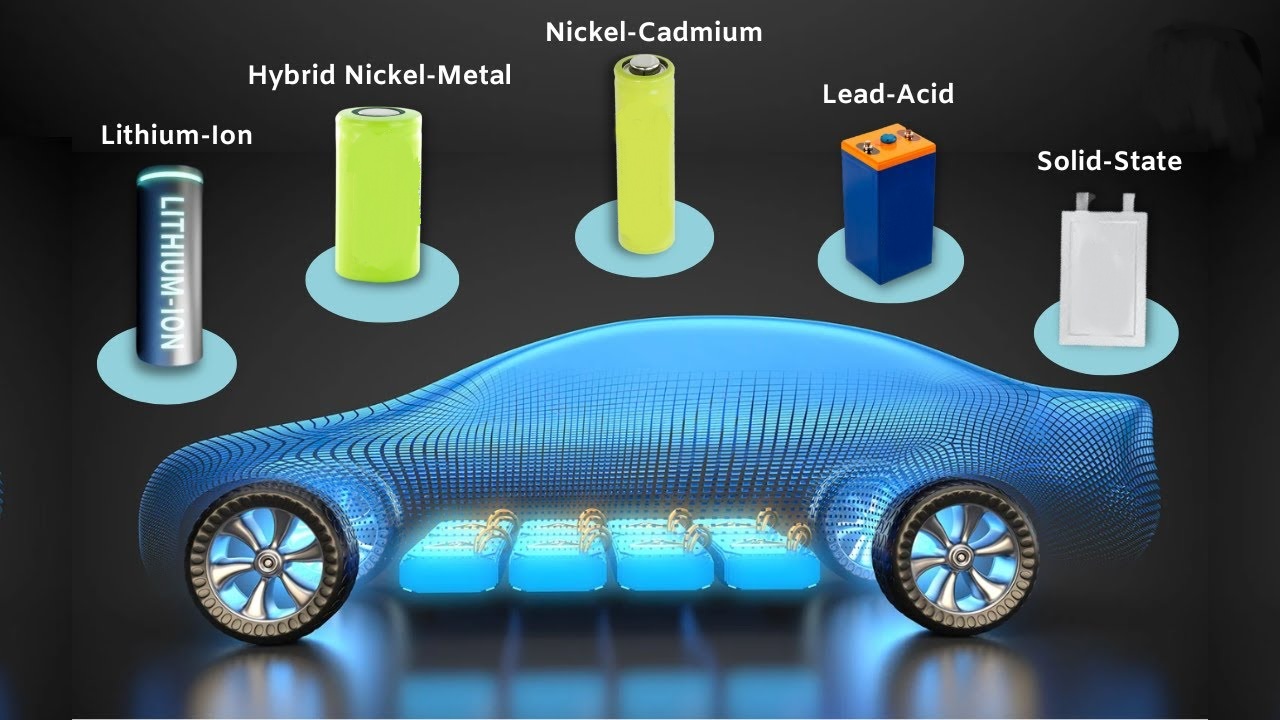
A: Vacuum belt dryers process liquid, paste, solid, and powder raw materials in demanding industries. Applications cover biotechnology work with plant extracts and fermentation broths. Food industry uses include malt extract, cocoa powder, milk powder, and solid beverages, and in the chemical industry for lithium battery materials. And in the pharmaceutical industry, vacuum belt dryers are utilized for processing plant extracts.
Q: Is a vacuum cone or harrow dryer suitable for highly viscous liquid pastes?
A: Traditional static or batch dryers generally face difficulty with high-viscosity materials. The stirring mechanism of a harrow dryer manages medium-viscosity pastes a little better than a cone dryer. Highly viscous materials still wrap around the internal shaft and create blockages. Vacuum belt dryer stands as the best choice for high-viscosity, easily clumped, or thermoplastic raw materials.
Q: Which vacuum drying equipment is most energy-efficient for large-scale production?
A: A continuous vacuum belt drying system uses far less energy than traditional batch equipment. The continuous process removes repeated heating and cooling cycles. Processing time falls from 10–20 hours to 30–60 minutes. Energy consumption and labor costs, therefore, stay much lower.
Q: Can vacuum drying equipment be customized for specific viscous or heat-sensitive materials?
A: Minjie performs customization at a high level. More than 30 models of vacuum belt dryers exist. Drying temperatures and multi-stage configurations adjust according to material characteristics. Customers may send material samples to the Minjie Lab Center for testing. The tests determine exact equipment specifications that match specific evaporation or drying needs.