In production fields such as food, pharmaceuticals, biological fermentation, natural extracts, and fine chemicals, the drying process directly determines finished product quality, production efficiency and cost control. There are a wide variety of drying equipment on the market, with great differences in temperature, duration, energy consumption and material adaptability. Blind selection may lead to problems including material deterioration, high material loss, uneven drying and discontinuous production. Based on the characteristics of solid and liquid materials, this paper compares the advantages and disadvantages of mainstream drying equipment to help you select the right equipment accurately, and provides an optimal solution for high-cost-effective continuous production.
I. Core Selection Logic: Narrow Down Equipment Scope by Product Characteristics
Before selection, clarify the four core characteristics of your products to quickly narrow down the equipment range:
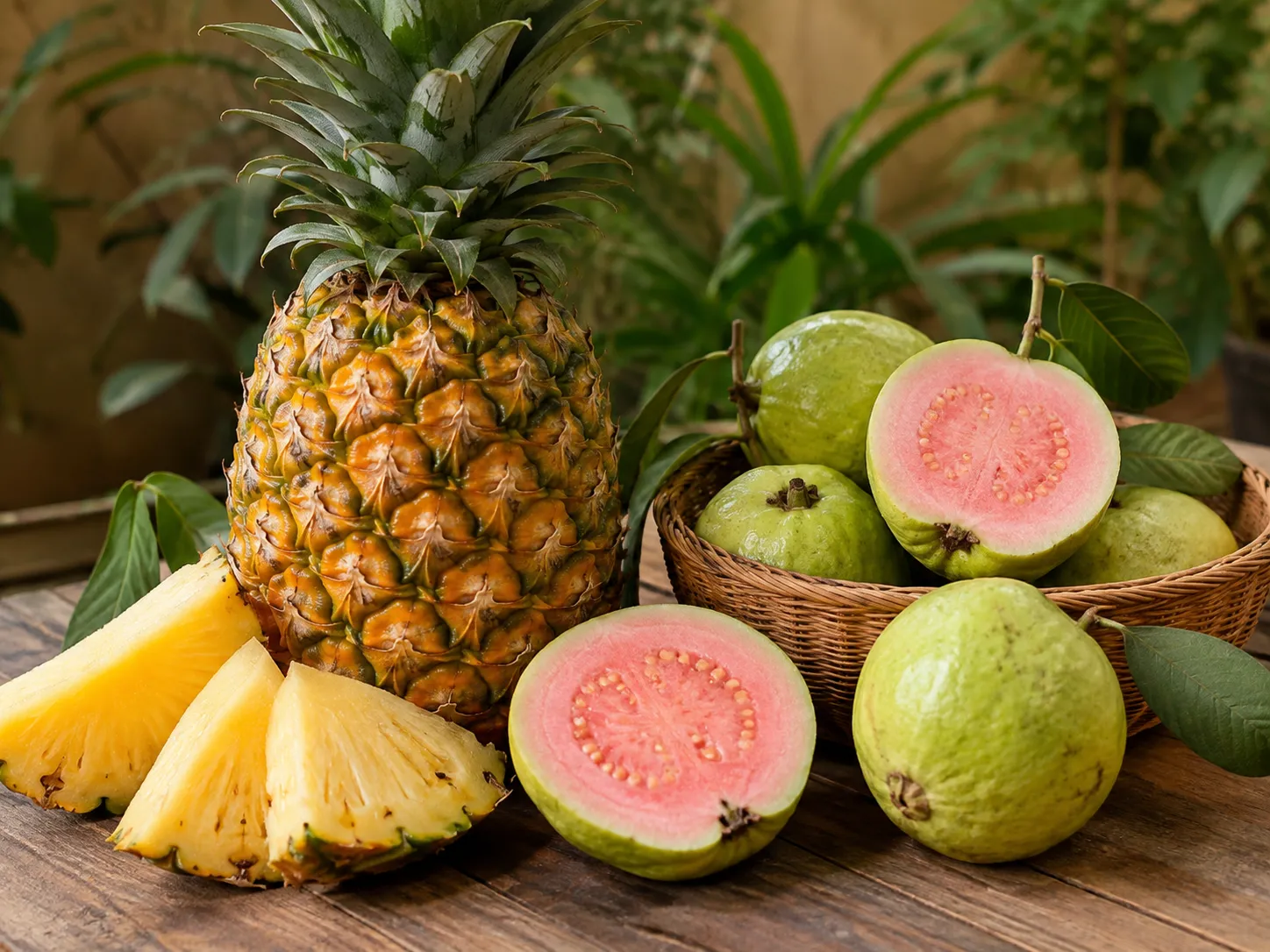
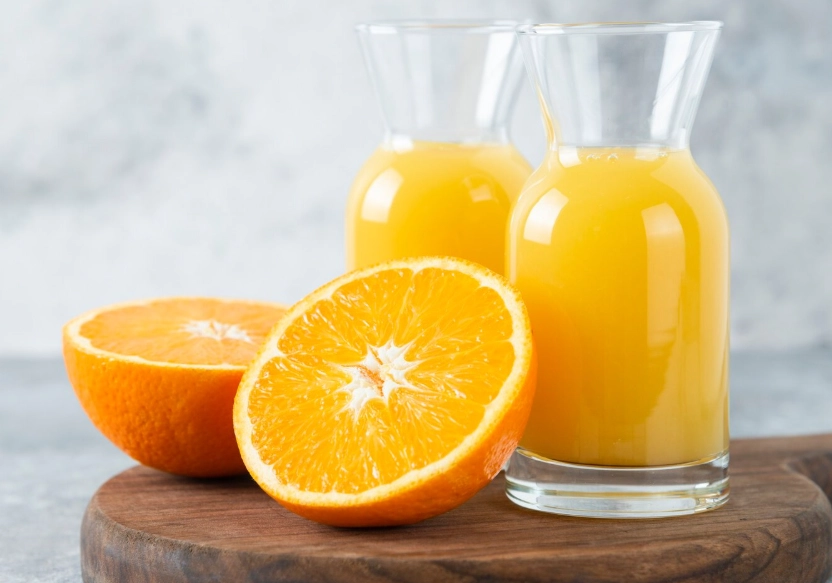
- Thermal stability: Heat-sensitive materials (Herb extracts, fruit and vegetable juice,probiotics, proteins, etc.) cannot withstand high temperatures. Prioritize low-temperature drying equipment to avoid damage to active ingredients caused by high temperature; high-temperature-resistant materials can adopt medium-high temperature equipment to improve efficiency.
- Sealing requirements: For materials prone to oxidation, moisture absorption and external contamination, vacuum drying equipment is preferred to isolate air, water vapor and bacteria.
- Drying uniformity: To ensure consistent moisture content and uniform properties of finished products, avoid static stacking drying and prioritize dynamic continuous drying equipment.
- Production mode: Continuous feeding and discharging equipment is preferred for large-scale mass production; batch equipment can be adopted for laboratory or small-batch production.
Based on the above logic, mainstream drying equipment is classified into two categories for solid materials and liquid materials respectively, with their advantages and disadvantages compared one by one for your reference.




II. Comparative Analysis of Drying Equipment for Solid Materials
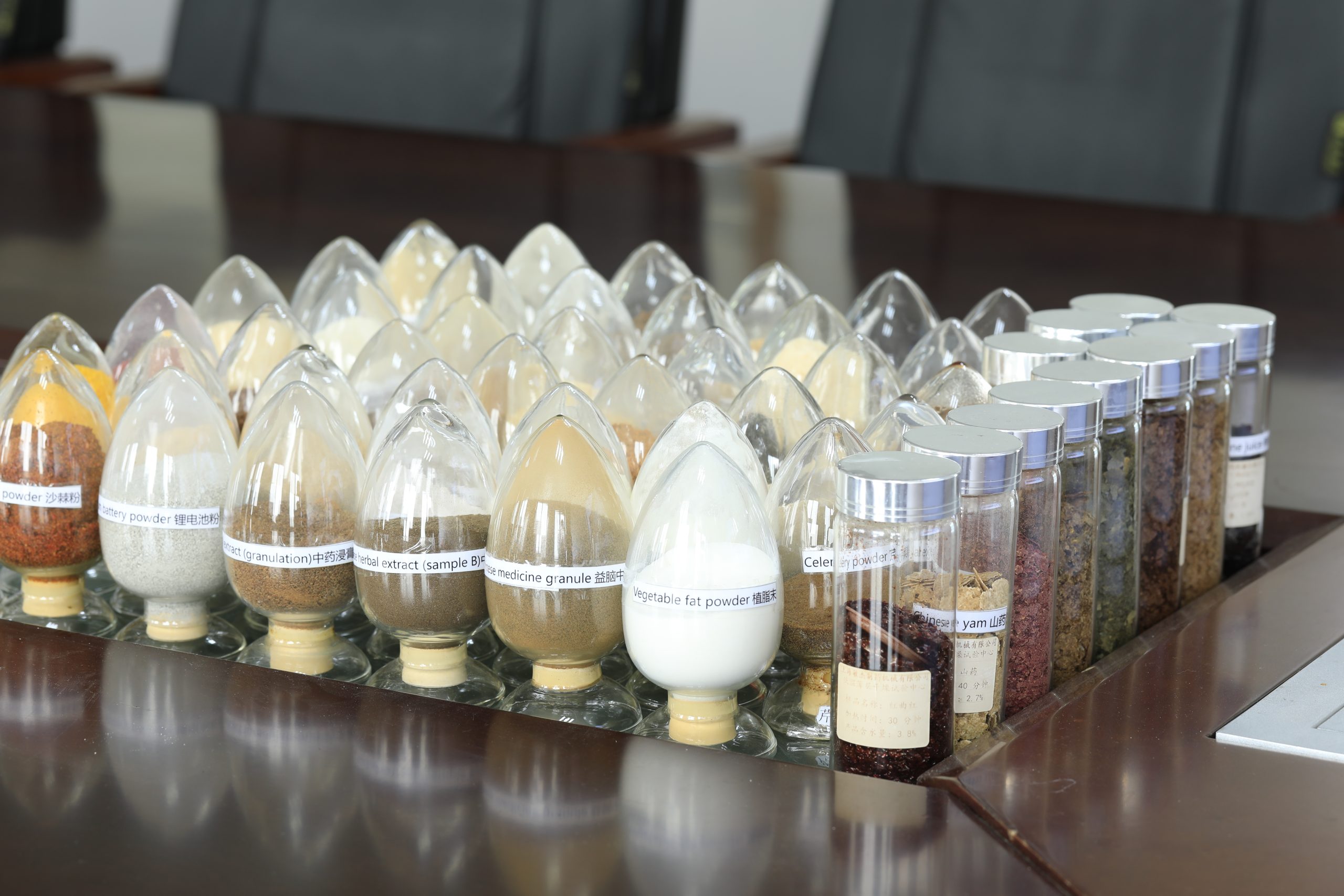
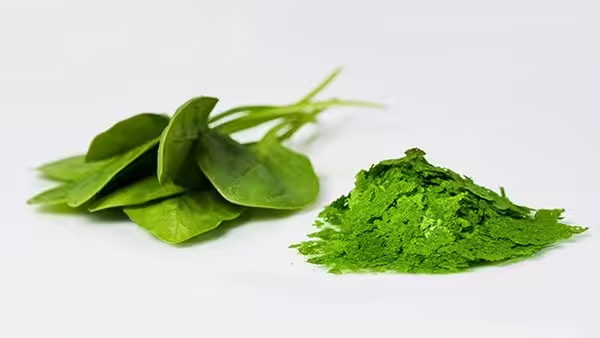
Solid materials are mostly granular, powdery or block raw materials, which have high requirements for drying uniformity, material loss and finished product properties. Main available equipment includes vacuum oven, fluidized bed, freeze dryer, hot air dryer, heat pump dryer, flash dryer, microwave dryer, infrared dryer and Vacuum Belt Dryer. Their core parameters and pros & cons are as follows:
- Vacuum Oven: With a drying temperature of 40-80°C, it has a moderate temperature range yet extremely low efficiency with a long drying time of 8-24 hours. Static drying results in poor drying uniformity and inferior finished product properties. Though low requirements for materials, it cannot realize continuous production, only suitable for small-batch intermittent processing in laboratories with average cost-effectiveness for large-scale mass production.
- Fluidized Bed: It performs medium-high temperature drying at 70-150°C with good drying uniformity, high-quality finished products and continuous production capacity. However, it has high requirements for materials, only applicable to specific granular solids, and cannot handle viscous or agglomerating materials with limited application scope.
- Freeze Dryer: Ultra-low temperature drying at -40°C-30°C perfectly adapts to heat-sensitive materials with excellent finished product quality. Nevertheless, it features extremely long drying time of 36-72 hours, ultra-high energy consumption and low production efficiency. High equipment investment and operating costs lead to low overall cost-effectiveness, only used for high-end niche products.
- Hot Air Dryer: It has low equipment cost and continuous production capacity, yet suffers from high drying temperature and poor uniformity, easily causing local overheating and scorching. With inferior finished product properties, it is only suitable for ordinary high-temperature-resistant materials with low quality requirements.
- Heat Pump Dryer: It has low energy consumption, little material loss and good finished product properties. However, the long drying time of 8-24 hours and discontinuous feeding & discharging restrict its efficiency in large-scale production.
- Flash / Microwave / Infrared Dryer: Flash dryer features fast drying speed yet high temperature and energy consumption; microwave and infrared dryers have poor drying uniformity, while microwave dryer has extremely high requirements for material forms, all with obvious shortcomings.
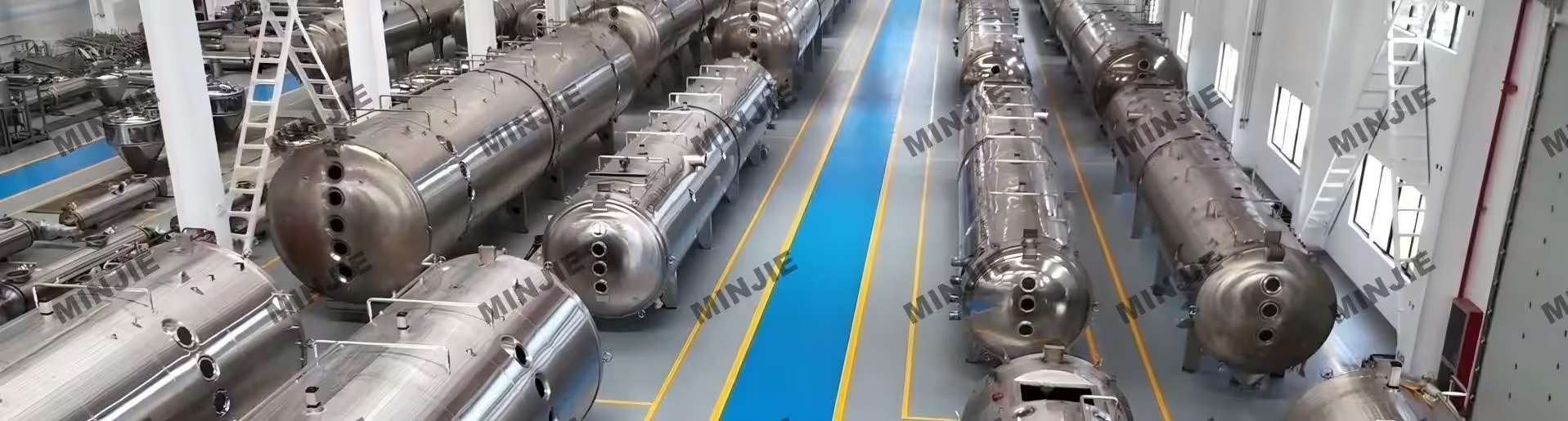
- Shanghai Minjie Vacuum Belt DryerFor Powder & Particle : It features an adjustable wide temperature range of 30-300°C, with the low-temperature section perfectly adapting to heat-sensitive solid materials. The drying time is only 0.5-1 hour, far more efficient than traditional vacuum and freeze drying. The vacuum environment isolates air with almost no material loss. Dynamic belt operation ensures excellent drying uniformity and continuous feeding & discharging. Meanwhile, it has low requirements for materials, compatible with blocky, viscous and granular solids, leading to leading comprehensive cost-effectiveness in the industry.
III. Comparative Analysis of Drying Equipment for Liquid Materials
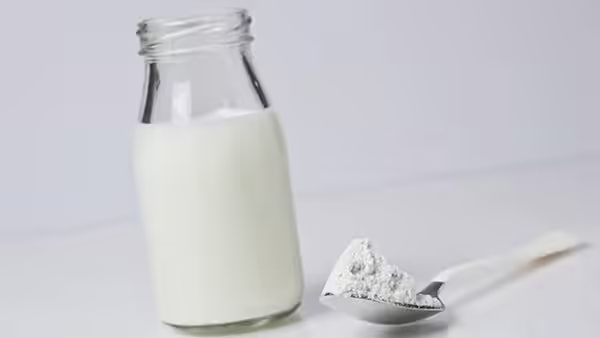
Liquid materials are mostly extracts, concentrates, fermentation broths, fruit and vegetable stock solutions, protein solutions, etc., with core pain points including easy oxidation, high heat sensitivity, wall adhesion-caused loss and uneven drying. Main available equipment includes spray dryer, freeze dryer, vacuum oven, fluidized bed and Shanghai Minjie Vacuum Low-temperature Belt Dryer. Their core pros & cons are as follows:
- Spray Dryer: It conducts high-temperature instant drying at 150-250°C with ultra-fast drying speed and continuous production capacity. However, high temperature easily damages active ingredients of heat-sensitive liquid materials, with much fine powder loss and high energy consumption, only suitable for high-temperature-resistant liquids.
- Freeze Dryer: It protects material components via ultra-low temperature, yet features long production cycle, ultra-high energy consumption and high costs, disqualified for continuous mass production, only used for small-batch production of high-end pharmaceuticals and biological agents.
- Vacuum Oven: It can adapt to liquid extracts, yet suffers from long static drying time, uneven drying and discontinuous production, leading to extremely low efficiency in large-scale production.
- Fluidized Bed: It has poor adaptability to liquid materials with strict feeding requirements, unable to directly process high-viscosity extracts.Large batch-to-batch variation, not suitable for high-quality products.
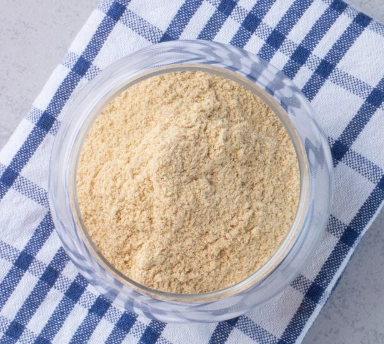
- Shanghai Minjie VacuumBelt Dryer For Liquid & Paste : It can directly feed various liquid and pasty materials without pre-shaping. Low-temperature vacuum drying starting from 30°C isolates oxygen throughout the process, maximally retaining active ingredients of materials. Fast drying within 0.5-1 hour realizes dozens of times higher efficiency than freeze drying. The vacuum sealed environment causes almost no material loss, and dynamic belt operation ensures uniform drying. It supports 24-hour continuous automatic production with moderate energy consumption and controllable operating costs, perfectly solving industry pain points of liquid materials such as heat sensitivity, high loss and difficulty in mass production.As demonstrated in a 2021 study by researchers at Beijing Union University and Tongrentang Bee Products, vacuum belt drying at controlled temperatures preserves volatile flavor compounds in honey powder far better than high-temperature drying processes.
IV. Comprehensive Selection Summary: Shanghai Minjie Vacuum Belt Dryer Adapts to Most Production Scenarios
From the comparison of all equipment, we can draw clear selection conclusions:
- If your products are heat-sensitive and prone to oxidation: Reject high-temperature equipment and prioritize vacuum low-temperature equipment;
- If large-scale continuous production is required: Eliminate batch equipment including vacuum ovens, freeze dryers and heat pump dryers;
- If your materials have complex forms (solid blocky/viscous powdery materials, liquid extracts/fermentation broths): Avoid fluidized beds and microwave dryers with high material requirements;
- If you pursue low loss, high quality, high efficiency and high cost-effectiveness: Shanghai Minjie Vacuum Belt Dryer is your optimal choice.
With core advantages including wide-range temperature adaptability, vacuum sealed protection, dynamic uniform drying, continuous automatic production, zero material loss and broad compatibility with both solid and liquid materials, this equipment balances low-temperature protection and mass production efficiency. It meets drying requirements of various products in food, pharmaceutical, biological, chemical and other industries, being a preferred solution to replace traditional drying equipment and upgrade production lines.